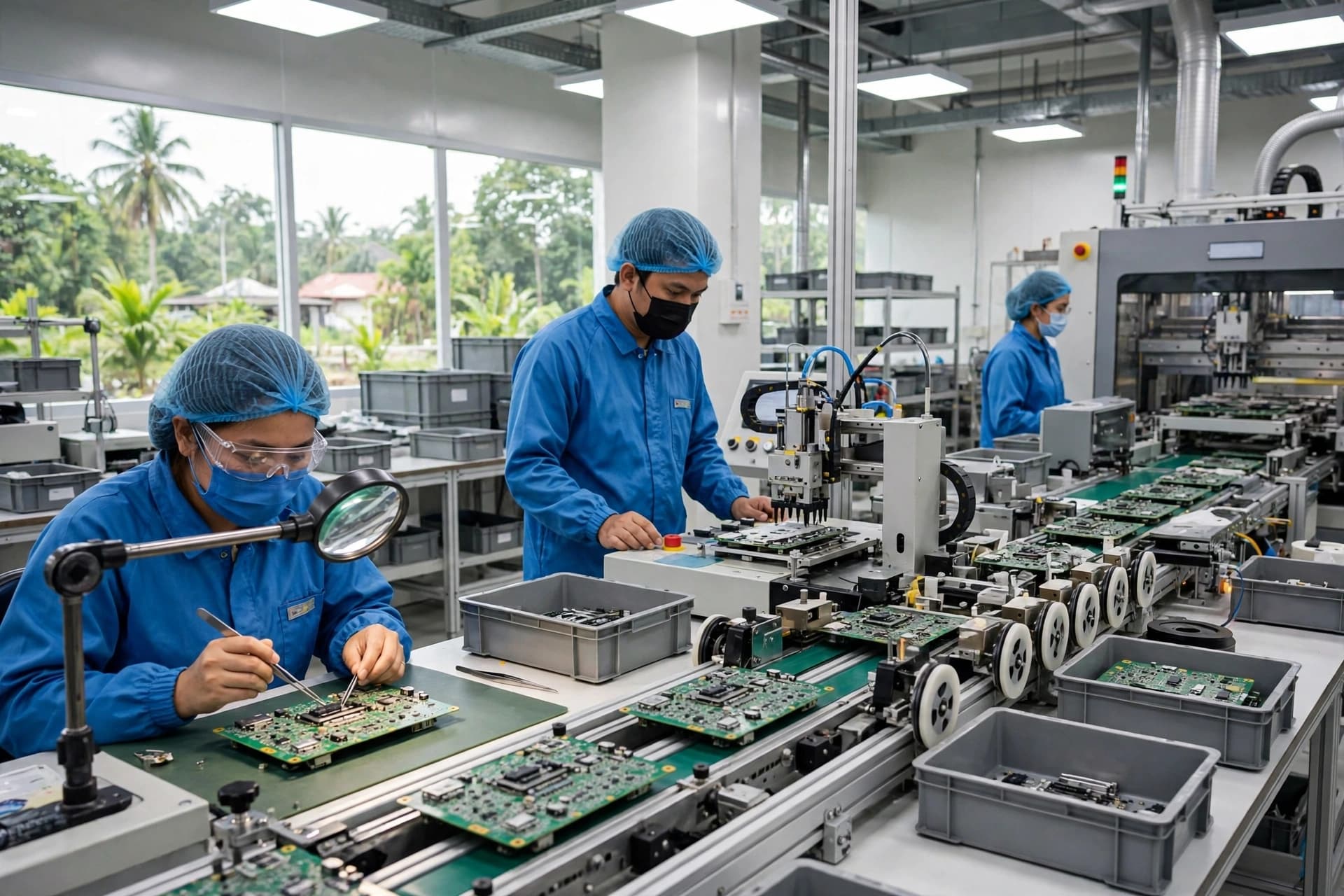
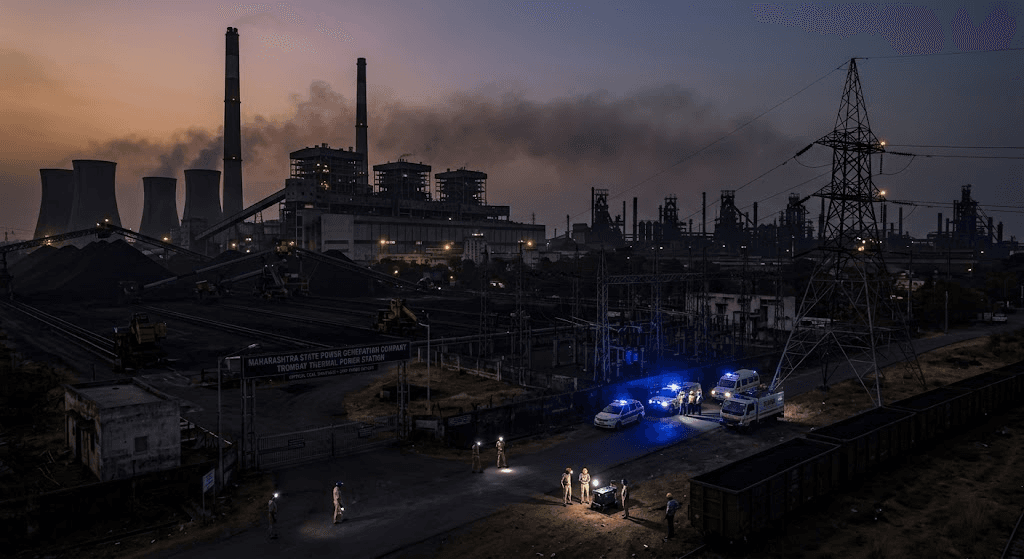
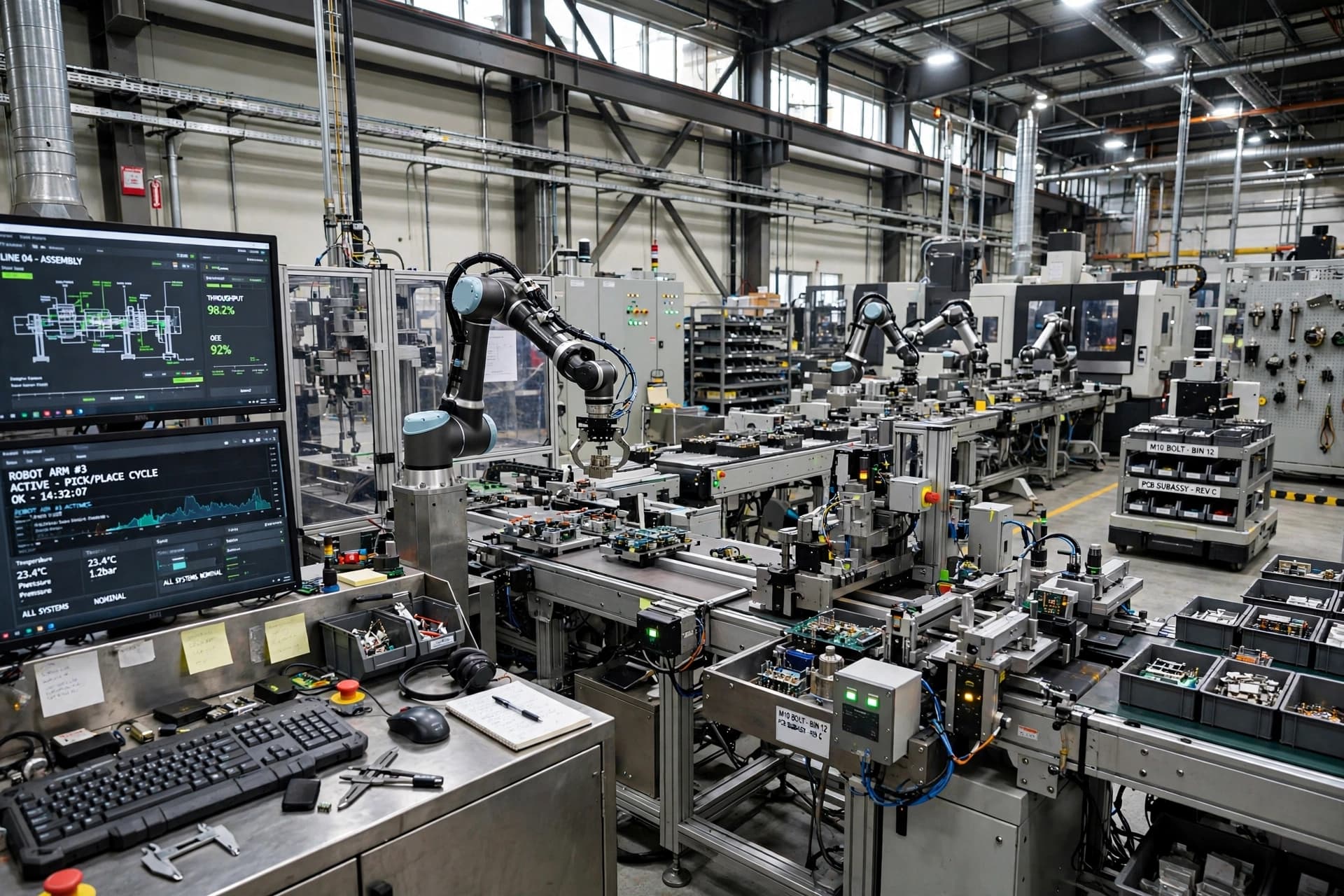
In the low, steady glow of fabrication plants, where machines work through the night and time is measured in nanoseconds, geography has long felt secondary. Silicon travels easily, crossing oceans and borders with the quiet efficiency of global trade. For decades, memory chips have been born wherever expertise, capital, and supply chains aligned, their origin noted more in spreadsheets than in sentiment. Yet recently, the map has begun to matter again.
A new warning now hangs over the memory manufacturing sector: companies that fail to produce in the United States could face tariffs as high as 100 percent on certain products entering the American market. The prospect is not yet a policy reality, but it has been voiced clearly enough to alter calculations across boardrooms and planning offices. It reflects a broader shift in how Washington views semiconductors — not merely as commercial goods, but as strategic assets tied to economic resilience and national security.
Memory chips, unlike leading-edge logic processors, have historically been produced at scale in East Asia, where established ecosystems support high-volume manufacturing at lower cost. Firms such as Samsung Electronics, SK hynix, and Micron Technology operate global networks that balance efficiency with demand. The new tariff threat, however, introduces a sharp conditionality: access to the U.S. market may increasingly depend on physical presence within U.S. borders.
This pressure builds on earlier efforts to re-anchor semiconductor production through subsidies and incentives under federal industrial policy. While grants and tax credits offered encouragement, tariffs introduce a different tone — less invitation than consequence. For memory manufacturers, the economics are complex. Building fabrication plants in the United States requires massive capital investment, long timelines, and higher operating costs. The risk now is that not doing so could make existing products suddenly uncompetitive.
Industry responses have been cautious rather than defiant. Companies have acknowledged the policy direction while emphasizing the technical and financial realities of relocating or duplicating production. Memory manufacturing, particularly at mature nodes, operates on thin margins, where abrupt cost increases can ripple through pricing, supply contracts, and downstream industries ranging from consumer electronics to data centers.
The implications extend beyond corporate balance sheets. A steep tariff could reshape global supply chains, encourage accelerated investment in U.S.-based plants, or prompt shifts toward alternative markets. It also raises questions about timing and transition: whether production capacity can realistically move fast enough to meet policy expectations without disrupting supply or inflating prices for end users.
As the conversation unfolds, the language of trade has begun to blend with that of security and sovereignty. Memory chips, once quiet components hidden inside devices, now sit at the intersection of economics and geopolitics. Their place of origin carries weight not just in cost, but in consequence.
In clear terms, U.S. policymakers have signaled that memory manufacturers may face tariffs of up to 100 percent if they continue to supply the American market without producing domestically. The proposal, still under discussion, adds new urgency to decisions about where future fabrication plants will be built, and introduces fresh uncertainty into a global industry already navigating rapid change.
AI Image Disclaimer Visuals are AI-generated and serve as conceptual representations.
Sources Reuters Financial Times Bloomberg The Wall Street Journal Nikkei Asia
Published by Banx Network. This article is part of the Banx decentralized media programme, powered by the BXE token on the XRP Ledger.