In a conflict defined by shifting boundaries and fragile pauses, the difference between peace and battle is often sketched long before it arrives.
Israeli military planners have drawn up plans for intensive operations in the Gaza Strip that could begin in March, according to reports from Israeli media outlets citing unnamed officials and diplomatic sources. The proposals center on a renewed campaign aimed at expanding control over portions of the enclave, particularly around Gaza City, with the goal of pushing established demarcation lines westward toward the coast. (The Times of Israel)
The plans, conveyed to foreign diplomats and mentioned by military leadership, remain contingent on external support and political approval. Analysts say that any major operation of this scale would likely require coordination with the United States, which has been engaged in efforts to uphold the current ceasefire and pursue broader diplomatic initiatives.
Israeli officials have framed such measures as strategic contingency rather than immediate action, emphasizing preparedness in an environment where the ceasefire reached late last year remains fragile. Under the proposed scenario, ground forces could move beyond current positions held since the prior truce, seeking to consolidate and expand territorial control ahead of a looming deadline.
The context is complex. Gaza’s political and security landscape has been shaped by enduring tensions between Israel and Hamas, periodic flare-ups along ceasefire lines, and ongoing diplomatic efforts aimed at stabilizing the enclave following extended hostilities. Even as discussions about ceasefire extensions and reconstruction continue, the presence of detailed military planning underscores how quickly conditions can shift, turning negotiation into preparation.
For residents of Gaza and observers around the world, the possibility of another major operation raises questions about humanitarian conditions, civilian safety, and the prospects for lasting peace. No formal timetable has been announced, and officials stress that developments in the coming weeks — diplomatic or otherwise — could influence whether the March planning becomes reality.
In the balance between pause and advance, each plan is both a reflection of current uncertainty and a signal of the challenges ahead.
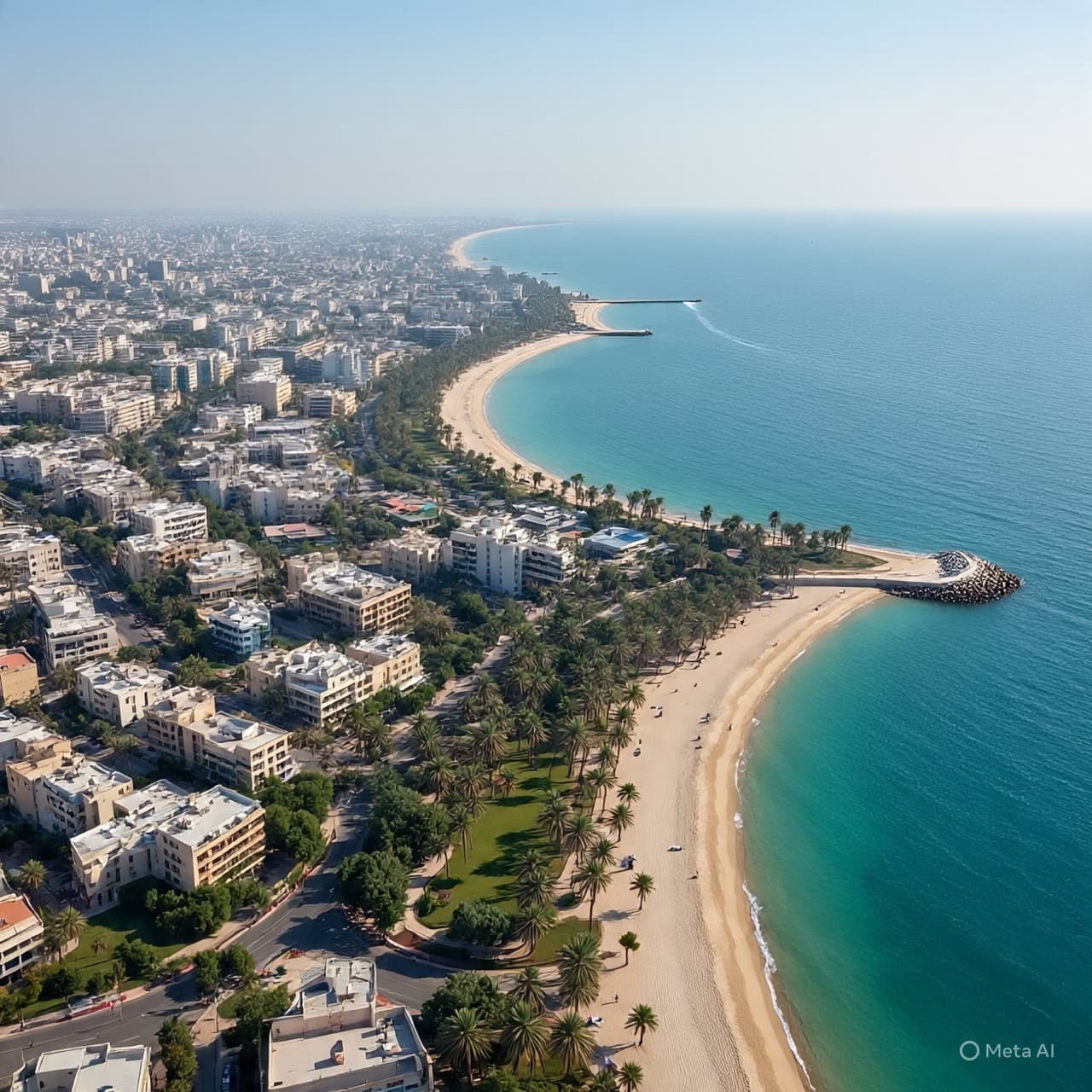
AI Image Disclaimer: Illustrations were created using AI tools and are not real photographs.
Sources: The Times of Israel Reuters Associated Press Middle East Eye
Published by Banx Network. This article is part of the Banx decentralized media programme, powered by the BXE token on the XRP Ledger.