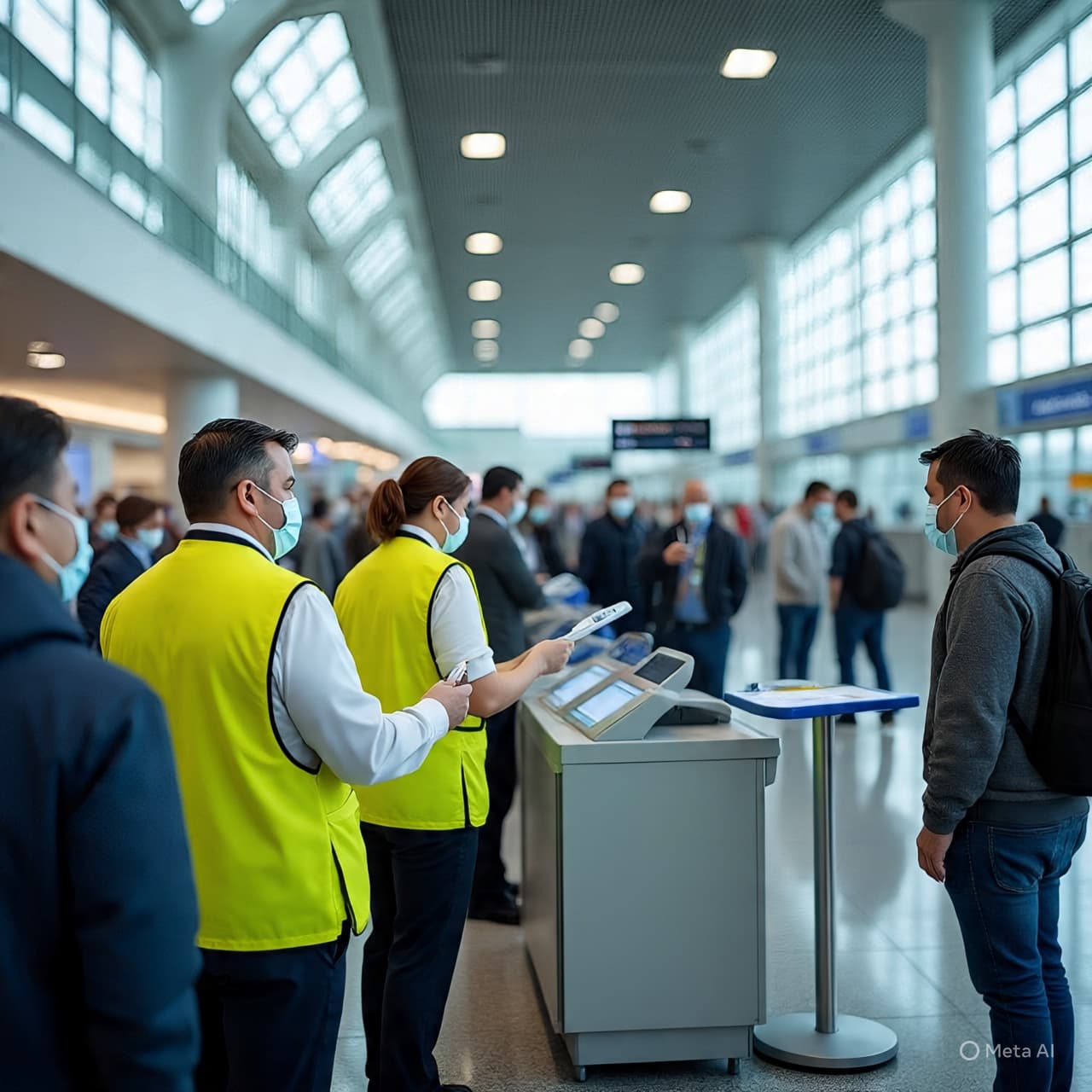
There are times when the rhythms of travel — the gentle hum of engines, the footsteps through terminals, the shared expectation of arrival — become threaded with a different kind of heartbeat: that of vigilance and quiet care. Like a cautious gardener tending to young seedlings against a sudden frost, public health authorities in Thailand have begun paying closer attention to the flow of travelers arriving by air from India, mindful of a virus that has stirred concern in parts of South Asia. In the bustling spaces of Suvarnabhumi, Don Mueang, and Phuket airports, the familiar patterns of travel have taken on an added dimension of watchful pause.
The Nipah virus — one of those pathogens that lives at the intersection of the natural world and human society — has been reported in West Bengal, prompting health ministries and airport officials to strengthen disease screening measures. The approach, measured and mindful, seeks to balance the openness of international travel with the ancient instinct to safeguard community well‑being. At arrival gates, passengers from risk areas receive “Health Beware Cards,” akin to gentle reminders pinned to one’s itinerary, outlining symptoms to observe and steps to take should concern arise. These cards carry simple guidance: check for fever, headache, muscle aches, respiratory difficulty, and other symptoms within 21 days of arrival, and seek medical care if symptoms emerge.
Across the concourse, teams from immigration, disease control, and airport health services collaborate like members of an orchestra following a score of prevention. Thermo‑scanners and health questionnaires have become part of the journey, not to unsettle, but to quietly guard shared spaces. Travelers have largely cooperated with these steps, reporting travel histories and responding to queries with the calm of seasoned voyagers who understand that care sometimes travels alongside them.
In Phuket and other points of entry popular with international visitors, similar protocols are underway. Here, the pace of screening mirrors the rhythm of tourism itself: unhurried, attentive, and designed to help detect possible signs of infection early. Airport and health authorities have rehearsed quarantine procedures in designated areas, prepared to handle situations that require further public health follow‑up while ensuring that the scene remains orderly and reassuring for those passing through.
The world has learned, in recent years, that outbreaks — whether of influenza, coronavirus, or Nipah — do not respect borders but that we can respond with cooperation, respect for science, and steady readiness. The current measures taken at airports represent a chapter in that ongoing story: one where communities and officials alike choose to engage with care rather than fear, and to meet uncertainty with preparedness and gentle attention.
In the tender balance between health security and the timeless human desire to explore, these screening efforts stand as a reminder that travel, like all human journeys, flourishes best when anchored in shared responsibility and calm awareness.
AI Image Disclaimer “Illustrations were produced with AI and serve as conceptual depictions.”
Sources The Nation (Thailand) Thai PBS World Travel and Tour World Bangkok Post The Thaiger
Published by Banx Network. This article is part of the Banx decentralized media programme, powered by the BXE token on the XRP Ledger.