In the high-stakes theater of international diplomacy, where every word carries the weight of potential conflict, a candid remark from within the Trump administration has sent ripples through the political landscape. A senior official’s admission regarding the complexities and uncertainties of the ongoing tensions with Iran was met with immediate backlash, highlighting the delicate balance between transparency and strategic ambiguity in wartime communication. This moment serves as a reminder that even in an era of direct leadership, the machinery of government remains fraught with internal debates and differing perspectives.
The comment, which touched on the challenges of achieving a decisive outcome in the region, was perceived by critics as undermining the administration’s stated goals of strength and resolution. It opened a window into the private anxieties that often accompany public posturing, revealing the human element behind the geopolitical strategy.
Body: The official, speaking on background to a major news outlet, acknowledged that the path to a stable resolution in the Middle East was far from clear. They noted that while military pressure had yielded some tactical advantages, the long-term strategic picture remained complicated by regional alliances and economic interdependencies. This nuanced view contrasted sharply with the more absolutist rhetoric often employed by President Trump in his public addresses.
Critics from both sides of the aisle seized on the admission, arguing that it exposed a lack of coherence in the administration’s foreign policy. Opponents claimed it validated their concerns that the approach was reactive rather than strategic, while some allies worried that such honesty might weaken the U.S. negotiating position. The swift criticism underscored the polarized nature of political discourse, where any deviation from the party line is quickly scrutinized.
Supporters of the administration, however, defended the official’s right to express professional assessments. They argued that acknowledging complexity is not a sign of weakness but of realism, necessary for making informed decisions. For them, the backlash was an example of political opportunism, where context is sacrificed for the sake of a compelling narrative.
The incident also raised questions about the role of advisors in shaping presidential policy. In an administration known for its loyalty tests and frequent personnel changes, the willingness of an official to speak candidly, even anonymously, suggests a depth of internal discussion that is not always visible to the public. It highlights the tension between individual expertise and collective messaging.
Internationally, the remark was closely watched by allies and adversaries alike. For nations in the Gulf, it reinforced the need for diversifying their security partnerships, while for Iran, it may have been seen as an opportunity to exploit perceived divisions within the U.S. leadership. The global reaction demonstrated how domestic political squabbles can have immediate external consequences.
Media coverage of the event was extensive, with analysts dissecting every implication of the statement. The 24-hour news cycle amplified the controversy, turning a single comment into a broader debate about the effectiveness of the administration’s strategy. This intensification often obscures the underlying policy details, focusing instead on the drama of the moment.
For the public, the episode served as a reminder of the gravity of the situation. War and diplomacy are not abstract concepts but real-world processes with profound impacts on lives and livelihoods. The admission, while controversial, brought a degree of reality to the conversation, forcing a reckoning with the difficulties of the task at hand.
As the administration moves forward, the focus will likely shift back to concrete actions and outcomes. However, the memory of this admission will linger, serving as a case study in the challenges of communicating complex foreign policy in a simplified political environment.
Closing: The criticism following the official’s admission highlights the fragile nature of political consensus in times of conflict. It underscores the importance of clear, consistent, and thoughtful communication in maintaining public trust and international credibility.
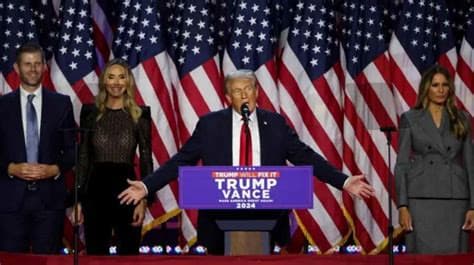
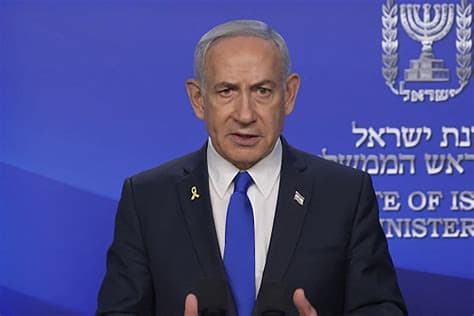
AI Image Disclaimer: The visuals accompanying this article are AI-generated illustrations designed to reflect the themes of diplomatic tension and political discourse.
Sources: The New York Times Al Jazeera The Guardian Low Institute
Published by Banx Network. This article is part of the Banx decentralized media programme, powered by the BXE token on the XRP Ledger.