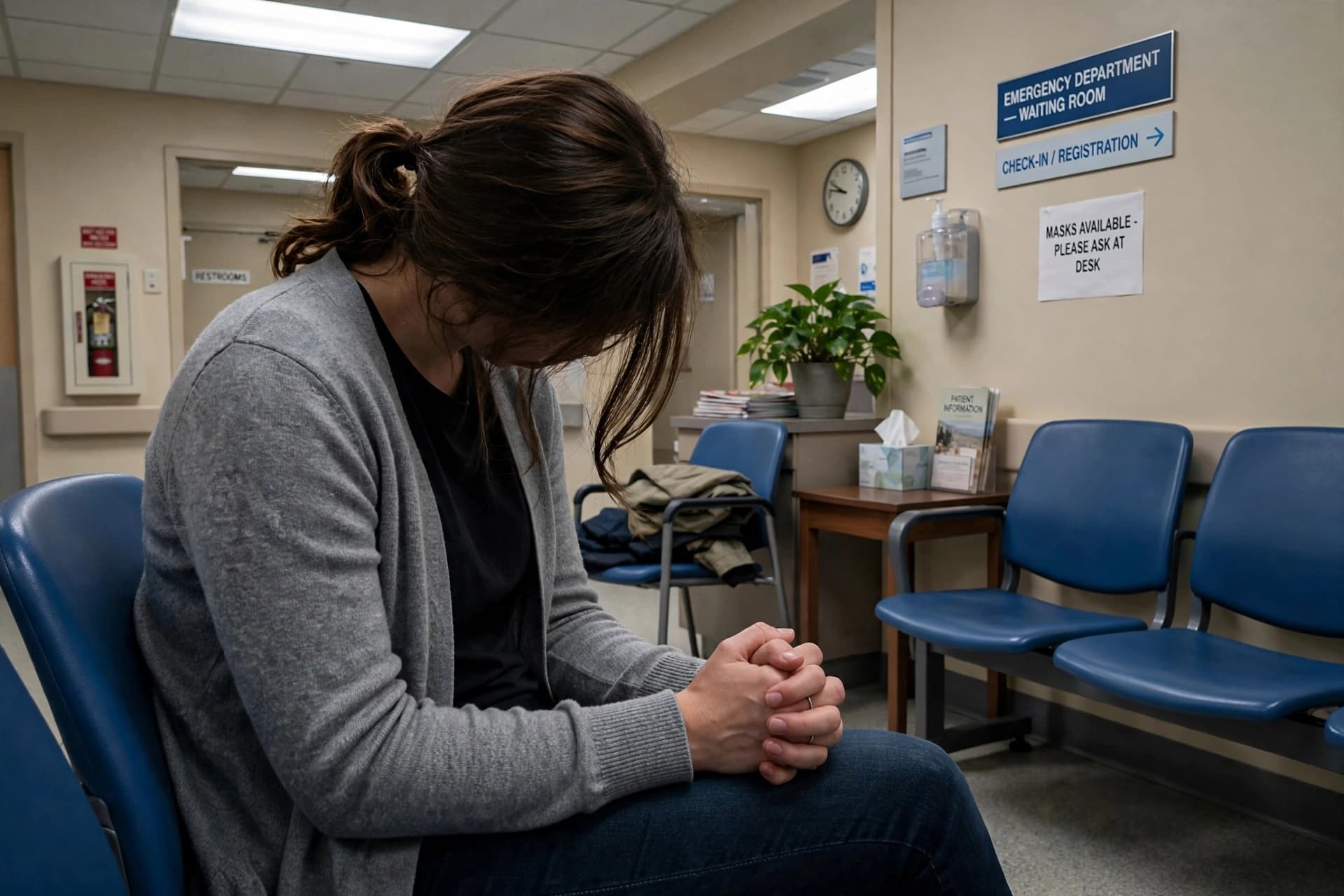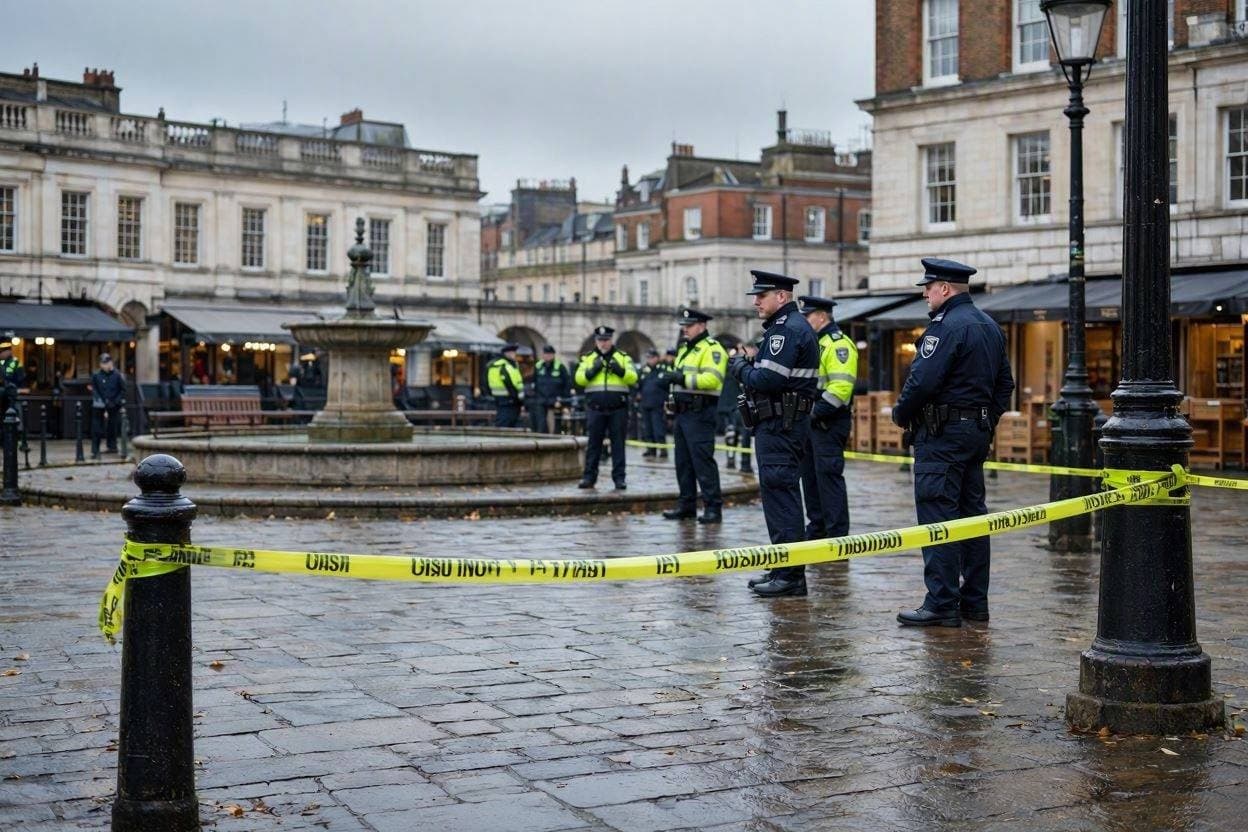
The bustling heart of London is a tapestry of daily life, where the rhythm of commerce and culture usually drowns out the quieter tensions of the city. Yet, in Covent Garden, a place known for its street performers and historic charm, that rhythm was abruptly shattered by an act of violence that left four men injured and a community in shock. A woman has been arrested in connection with the stabbings, an incident that police have suggested may be linked to a mental health crisis rather than premeditated malice. It is a sobering reminder of the fragility of public safety and the complex human struggles that can erupt in the most visible spaces.
The incident occurred on a Wednesday afternoon, a time when the area is typically filled with tourists and shoppers. Emergency services responded with characteristic speed, treating the victims at the scene before transporting them to hospitals. Their injuries, while serious, are not believed to be life-threatening, a fact that offers a small measure of relief amidst the trauma. The swift medical response highlights the resilience of London’s emergency infrastructure, even in the face of unexpected chaos.
Police arrested a 47-year-old woman at the scene, taking her into custody on suspicion of assault and possession of an offensive weapon. Early indications from investigators suggest that the attack was not terror-related or part of a broader criminal enterprise. Instead, authorities have pointed toward a potential mental health episode, framing the event as a tragic intersection of personal crisis and public consequence. This context shifts the narrative from one of pure criminality to one of societal care and intervention.
For the witnesses, the sudden eruption of violence was disorienting. The contrast between the usual laughter of the market and the screams of the moment creates a lasting psychological impact. Community leaders have called for calm, urging residents not to let fear dictate their interactions. They emphasize that such incidents, while shocking, are rare and do not define the character of the neighborhood. Solidarity and support are the recommended responses, rather than suspicion.
The Metropolitan Police have increased patrols in the area to reassure the public and maintain order. Their presence is a visual guarantee of stability, a signal that the city remains under control. Officers are also engaging with local businesses and residents, gathering information and offering reassurance. This proactive approach aims to restore the sense of normalcy that was briefly disrupted.
The incident has reignited discussions about mental health support in urban environments. Advocates argue that better resources and early intervention could prevent such crises from escalating into violence. It is a call for a more compassionate society, one that identifies and assists those in distress before they reach a breaking point. The tragedy in Covent Garden serves as a catalyst for this necessary conversation.
As the investigation continues, the focus remains on the recovery of the victims and the well-being of the suspect. The arrest marks the beginning of a legal process, but the broader lesson is about the need for vigilance and compassion. London, like any major city, must balance security with support, ensuring that no one falls through the cracks.
AI Image Disclaimer: The visual elements accompanying this report are AI-generated interpretations designed to reflect the urban and emergency context of the story.
Sources: BBC News The Guardian AP News
Published by Banx Network. This article is part of the Banx decentralized media programme, powered by the BXE token on the XRP Ledger.