A data center has no sunrise or sunset. Inside its walls, servers continue processing information through the night, their lights and cooling systems working without pause. Britain is now considering how much electricity these digital buildings will require as artificial intelligence expands.
Artificial intelligence has changed the scale of computing demand. Training advanced models can require enormous processing resources, while everyday use of AI systems adds another layer of continuous computing activity.
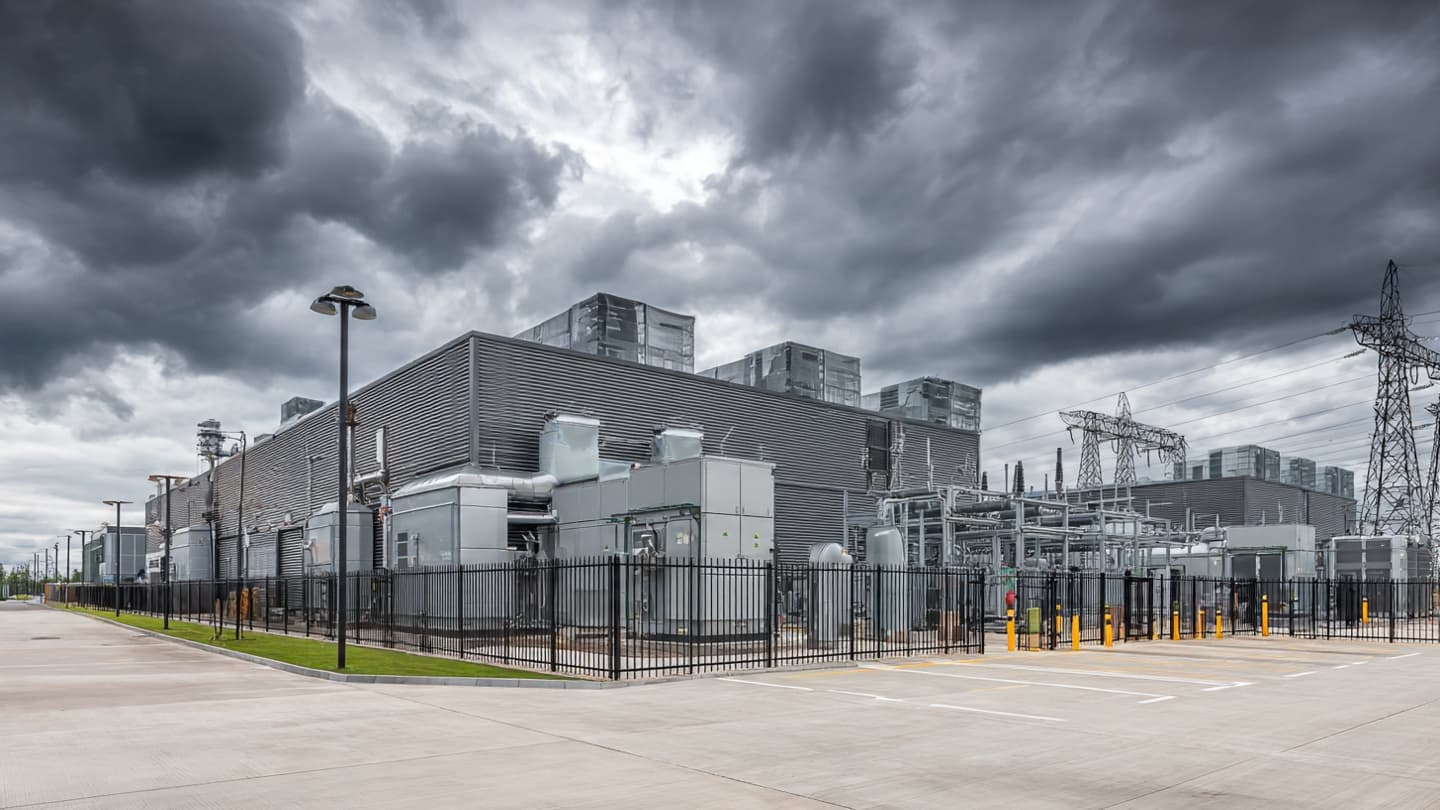
Data centers are therefore becoming an increasingly important part of Britain's physical infrastructure. They may appear as ordinary industrial buildings from the outside, but inside they contain thousands of servers connected to extensive cooling and electrical systems.
The electricity required by these facilities can be substantial. As more data centers are built, grid planners need to consider not only how much power the facilities consume but also where they are located and how quickly their demand can grow.
Location matters because electricity networks have physical limits. A data center may be close to fiber-optic connections but far from available grid capacity, creating a challenge that cannot be solved simply by constructing another server building.
Renewable energy is becoming part of the equation. Britain is expanding offshore wind and other low-carbon generation, creating opportunities for data centers to operate with electricity from cleaner sources.
Yet renewable generation varies with weather conditions. A digital economy requires continuous power, so the grid must combine variable renewable sources with storage, flexible generation and stronger transmission networks.
The relationship between AI and energy is increasingly visible worldwide. Every digital interaction eventually reaches physical infrastructure, whether through a data center, network connection or electricity system.
For Britain, the challenge is to accommodate digital growth without creating unnecessary pressure on the energy system. That requires coordination between technology companies, electricity providers, regulators and infrastructure planners.
The country's digital future may therefore depend partly on an older physical question: where the electricity will come from. As artificial intelligence and cloud computing continue to expand, Britain's data centers are becoming another reason for the energy and technology sectors to plan their futures together.
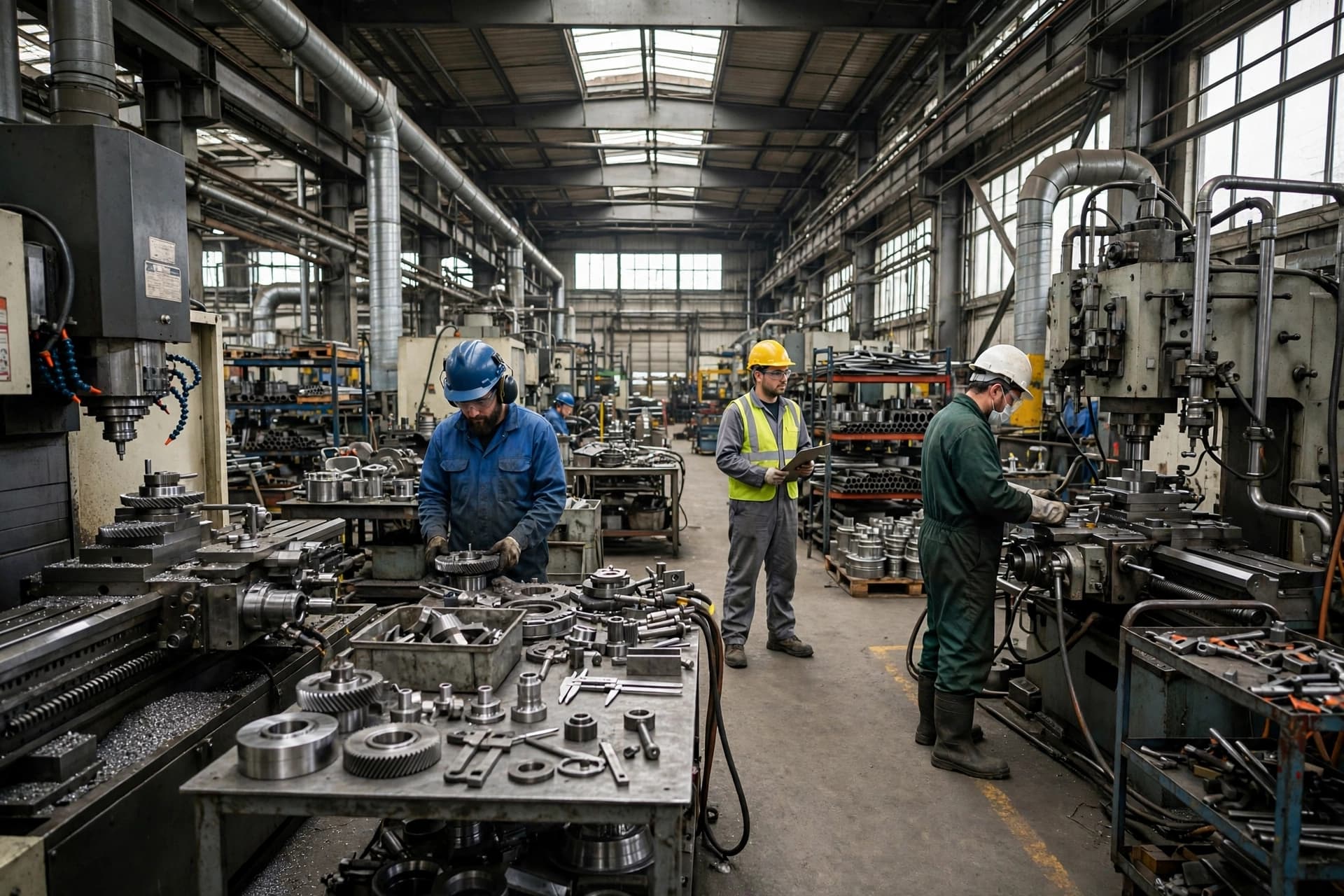
AI Image Disclaimer The illustrations were produced with AI to represent data-center infrastructure and energy demand and are not photographs of actual British facilities.
Sources Reuters UK Department for Energy Security and Net Zero National Grid Ofcom Uptime Institute
Published by Banx Network. This article is part of the Banx decentralized media programme, powered by the BXE token on the XRP Ledger.