There are moments in science when distance stops being a number and becomes a feeling. A hush settles in as instruments peer farther than ever before, and the universe responds not with thunder, but with a faint glow traveling across billions of years. In that quiet exchange between human curiosity and cosmic history, the James Webb Space Telescope has once again extended our reach, touching light that began its journey when the universe itself was still learning how to exist.
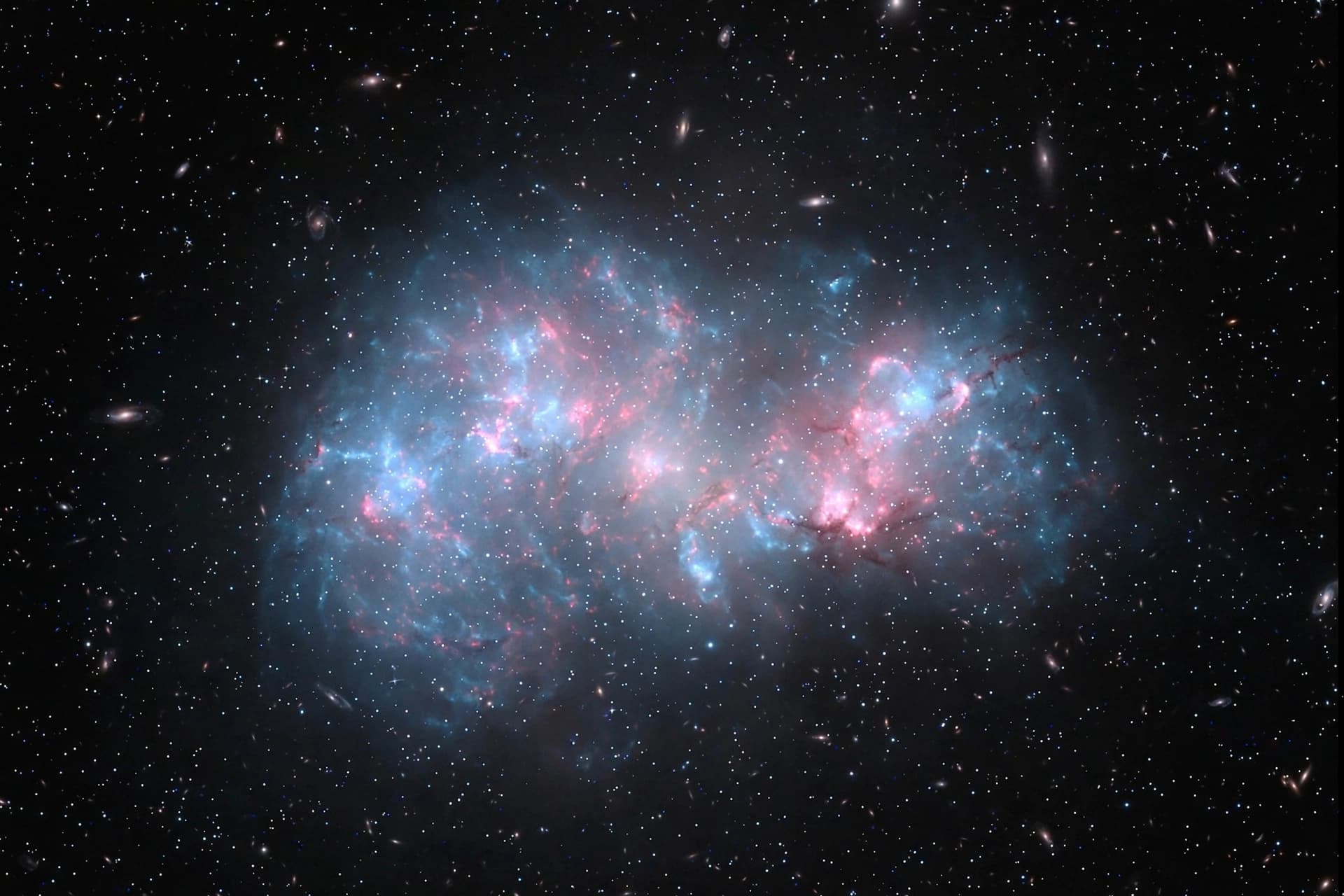
Webb’s latest observation has revealed the most distant galaxy ever confirmed, a structure so ancient that its light has been stretched and softened by time itself. This galaxy, formed just a few hundred million years after the Big Bang, appears not as a sharp portrait but as a gentle suggestion—an assembly of stars caught in the earliest chapters of cosmic formation. Its discovery was not a dramatic accident but the result of careful, patient observation, allowing faint signals to rise slowly from the darkness.
What makes this finding remarkable is not only the galaxy’s distance, but what it implies about the early universe. The presence of such a luminous, organized system at this epoch suggests that galaxies formed earlier and more efficiently than many models once assumed. Webb’s infrared vision allows astronomers to read the stretched wavelengths of ancient starlight, revealing chemical fingerprints that hint at rapid star formation and unexpected complexity.
Each new record set by Webb feels less like a finish line and more like a doorway. The telescope was designed to look back in time, and with every observation it seems to ask whether our previous limits were ever real to begin with. Galaxies once thought unreachable now appear within reach, their faint light offering clues about how matter gathered, ignited, and evolved in the universe’s first moments.
The discovery also reinforces Webb’s role as a quiet revolution rather than a sudden spectacle. Its breakthroughs arrive through accumulated evidence, refined calibration, and long hours of analysis. In doing so, it reshapes cosmic timelines not with declarations, but with data that gently shifts understanding.
In straightforward terms, astronomers using the James Webb Space Telescope have identified the farthest known galaxy ever observed, surpassing Webb’s own previous distance record. The galaxy dates to an extremely early period in cosmic history, suggesting that galaxy formation began sooner than previously confirmed. Researchers note that continued observations may reveal even older and more distant structures, further extending humanity’s view into the universe’s origins.
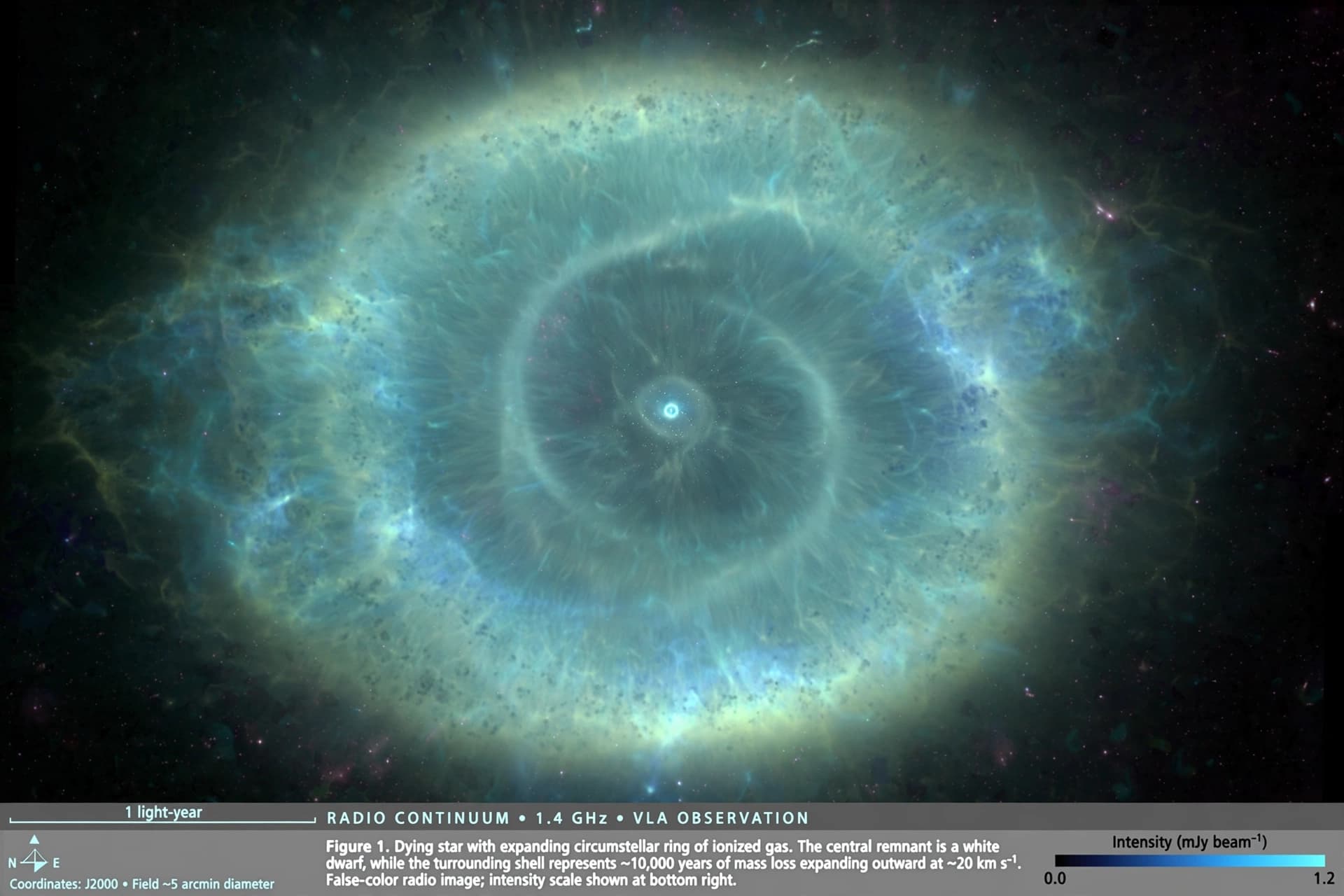
AI Image Disclaimer Illustrations were produced with AI and serve as conceptual depictions.
Sources NASA ESA Space.com Nature The Astrophysical Journal Letters
Published by Banx Network. This article is part of the Banx decentralized media programme, powered by the BXE token on the XRP Ledger.