Nature often reveals its greatest stories not through sudden spectacle, but through quiet transformation. Along the frozen edge of Antarctica, landscapes that appear unchanged for generations can shift within days, uncovering worlds that have remained hidden beneath thick ice for decades or even centuries. The recent calving of the massive iceberg known as A-84 has created one such moment, offering scientists a rare opportunity to study a marine ecosystem that has long been sealed beneath an Antarctic ice shelf.
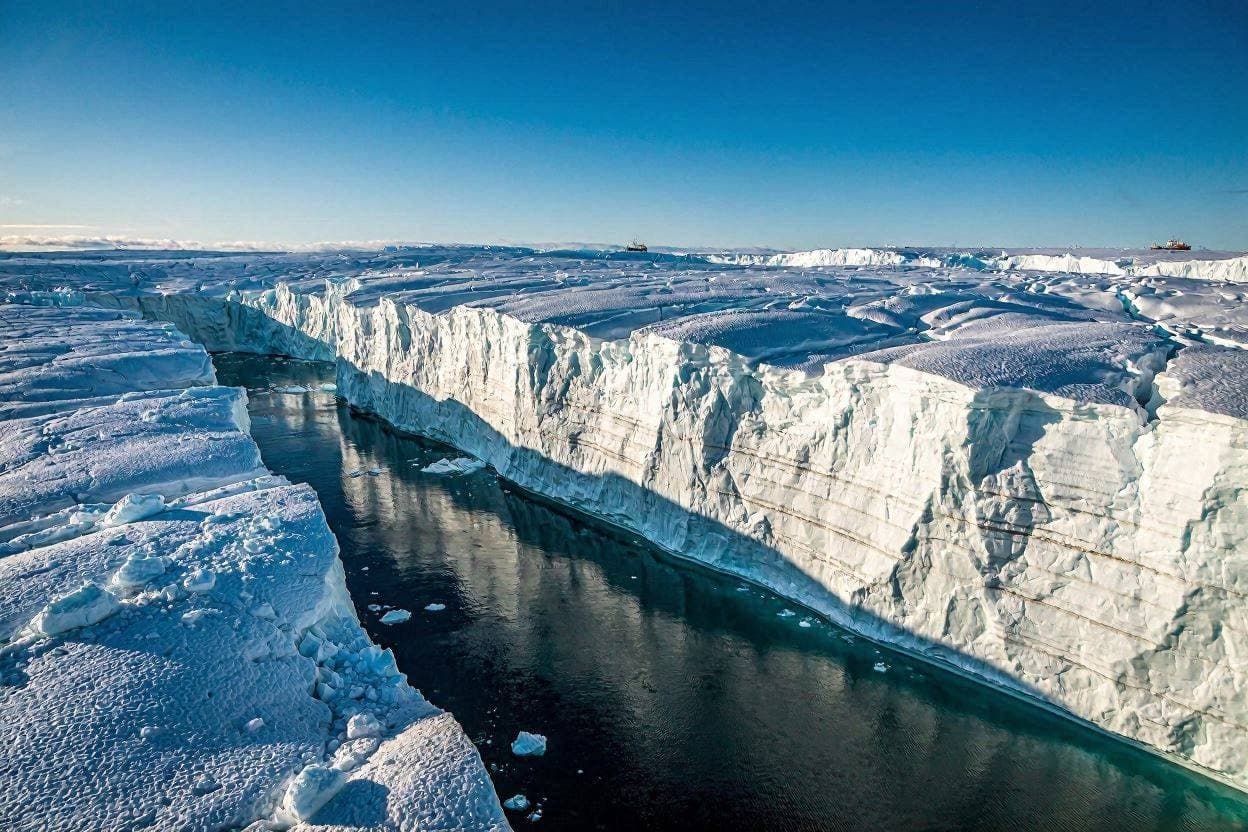
According to researchers monitoring Antarctica through satellite observations, Iceberg A-84 recently separated from its parent ice shelf, exposing an area of the seafloor that had remained covered by floating ice. While iceberg calving is a natural process within Antarctica's ice cycle, each newly exposed region provides scientists with valuable opportunities to investigate marine environments that are otherwise inaccessible.
The newly uncovered waters are expected to become the focus of biological and oceanographic research. Scientists hope to examine how marine organisms have survived in complete darkness beneath the thick ice, relying on limited food sources transported by ocean currents rather than direct sunlight. Similar discoveries in previous Antarctic expeditions have revealed surprisingly diverse communities of sponges, worms, crustaceans, and other deep-sea organisms.
Researchers also intend to measure water temperature, salinity, nutrient levels, and ocean circulation patterns in the exposed area. These observations help scientists understand how Antarctic marine ecosystems function beneath floating ice shelves and how they may respond as environmental conditions evolve over time. The information collected contributes to broader studies of polar biodiversity and climate processes.
Iceberg A-84 itself will continue drifting with Antarctic ocean currents, where scientists will monitor its movement using satellite imagery. Tracking large icebergs improves understanding of sea-ice dynamics, navigation safety, and interactions between drifting ice and surrounding marine environments. Such monitoring has become an important component of international Antarctic research.
Although iceberg calving is a naturally recurring event, researchers emphasize that individual calving episodes should not be interpreted in isolation as direct evidence of long-term climate trends. Instead, scientists evaluate these events alongside decades of satellite records, field observations, and climate data to better understand changes occurring across Antarctica's vast ice sheets and surrounding oceans.
The exposed marine ecosystem may also provide insight into how life adapts to some of Earth's most extreme environments. Organisms living beneath Antarctic ice have evolved under stable, cold, and lightless conditions for extended periods. Studying these communities may improve scientific understanding of biodiversity, ecosystem resilience, and even environments that could exist beneath icy moons elsewhere in the solar system.
The separation of Iceberg A-84 marks both a natural chapter in Antarctica's changing ice landscape and a valuable scientific opportunity. As research vessels, satellites, and remote instruments continue observing the newly exposed region, scientists hope the findings will deepen understanding of polar ecosystems while contributing to ongoing international research into Earth's southernmost continent.
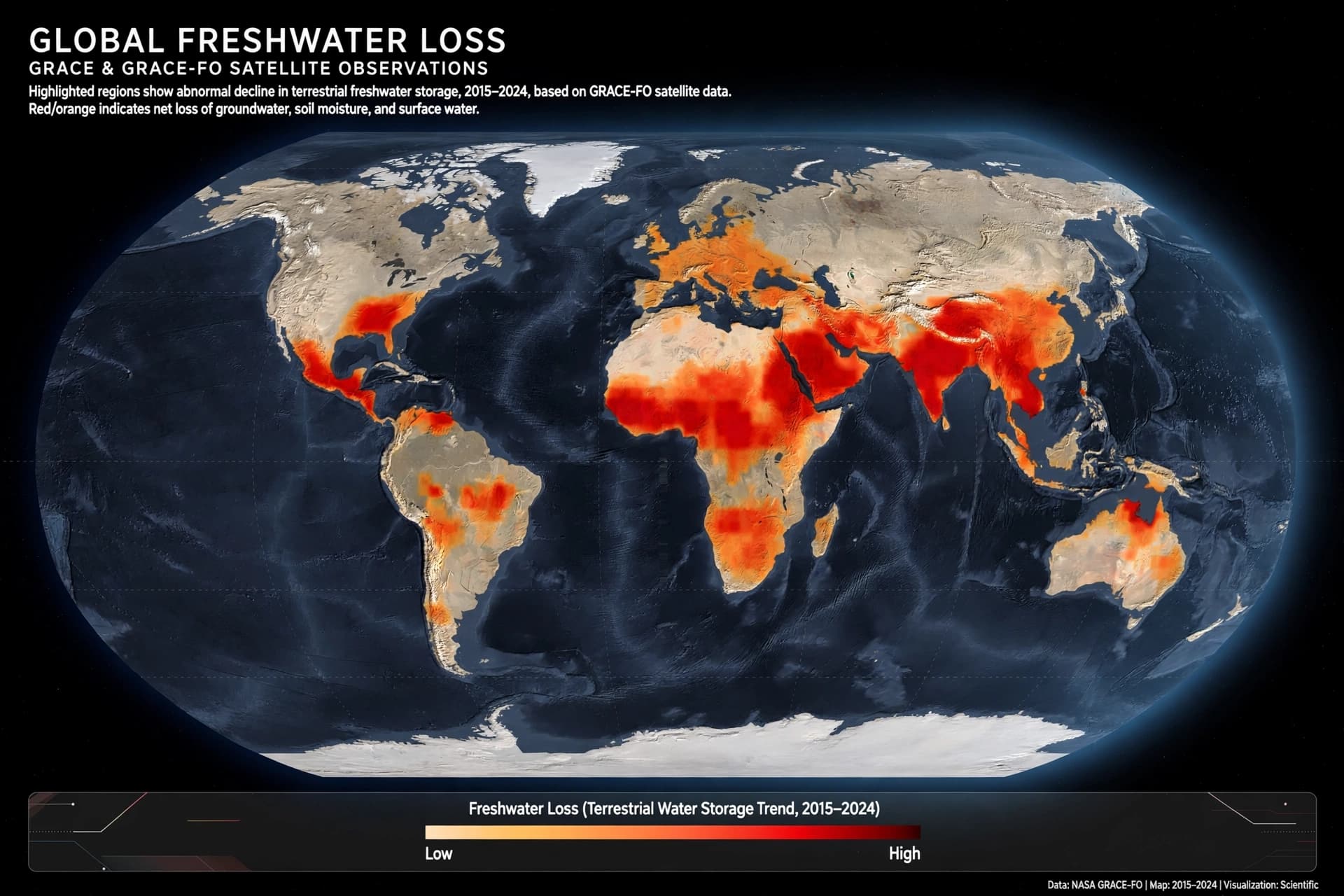
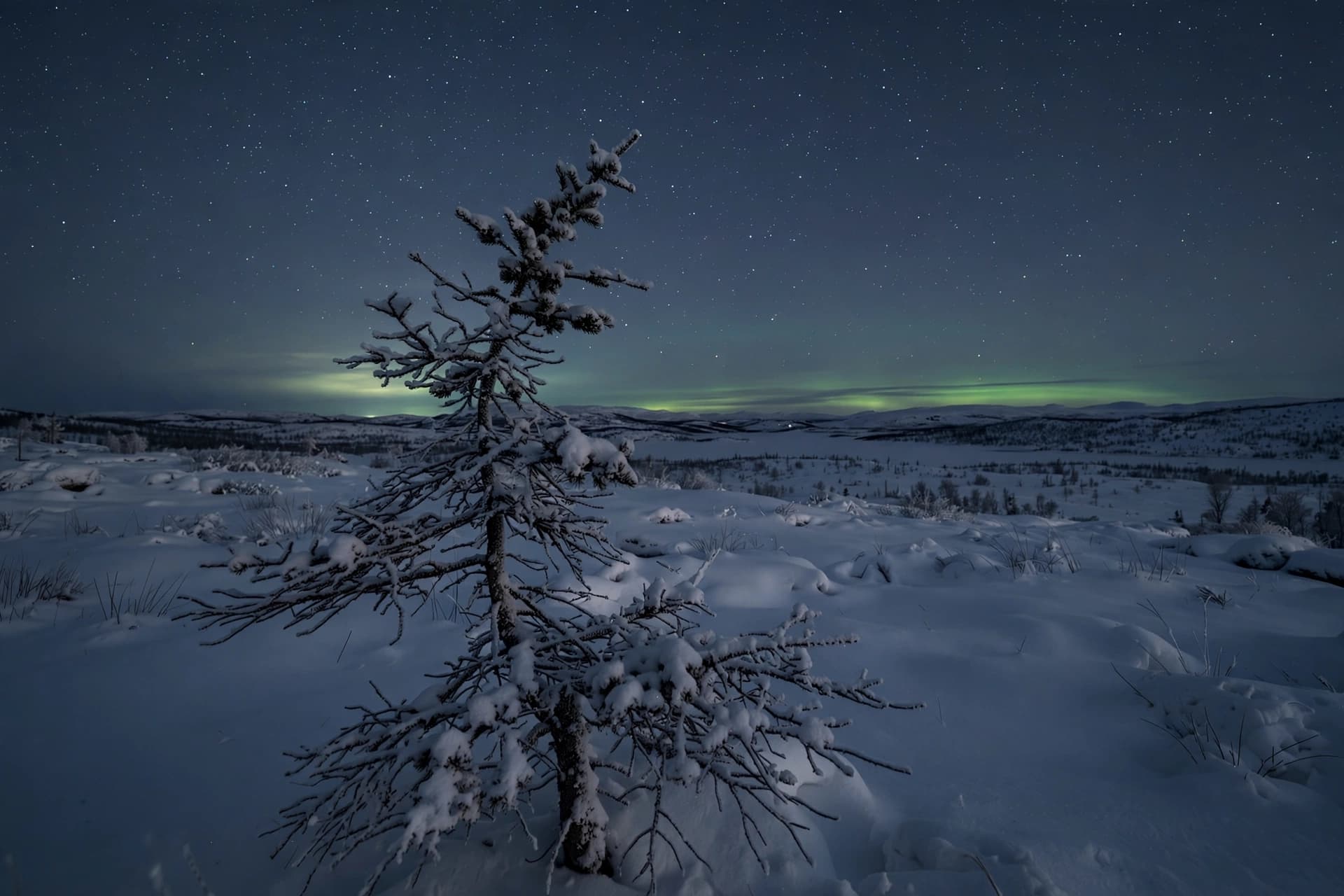
AI Image Disclaimer: The visual illustrations accompanying this article are AI-generated representations based on scientific descriptions and are not authentic photographs of the reported event.
Source Verification Check: Strong credible sources found.
Sources:
British Antarctic Survey NASA Earth Observatory National Snow and Ice Data Center (NSIDC) Reuters Nature
Published by Banx Network. This article is part of the Banx decentralized media programme, powered by the BXE token on the XRP Ledger.