Inside every electric vehicle lies a quiet store of energy, hidden beneath the floor and carried from one destination to another. The battery determines how far the vehicle can travel, how quickly it can recharge and how long its performance can remain dependable. In America, researchers are searching for ways to improve each of those measures.
Lithium-ion technology remains the foundation of most electric vehicles, but researchers are investigating alternatives and improvements to existing battery chemistry. The objective is not simply to increase capacity but to balance range, safety, cost, charging speed and durability.
Battery development begins at the level of materials. Scientists examine how different elements interact inside a cell, how ions move between electrodes and how repeated charging affects the structure over time.
One promising area is the development of solid-state batteries. Unlike conventional lithium-ion cells that use liquid electrolytes, solid-state designs use solid materials. Researchers hope this could eventually provide greater energy density and improved safety, although commercial-scale production remains challenging.
Another focus is reducing dependence on expensive or difficult-to-source materials. The battery supply chain spans multiple countries, and manufacturers are examining chemistries that could rely on more abundant resources.
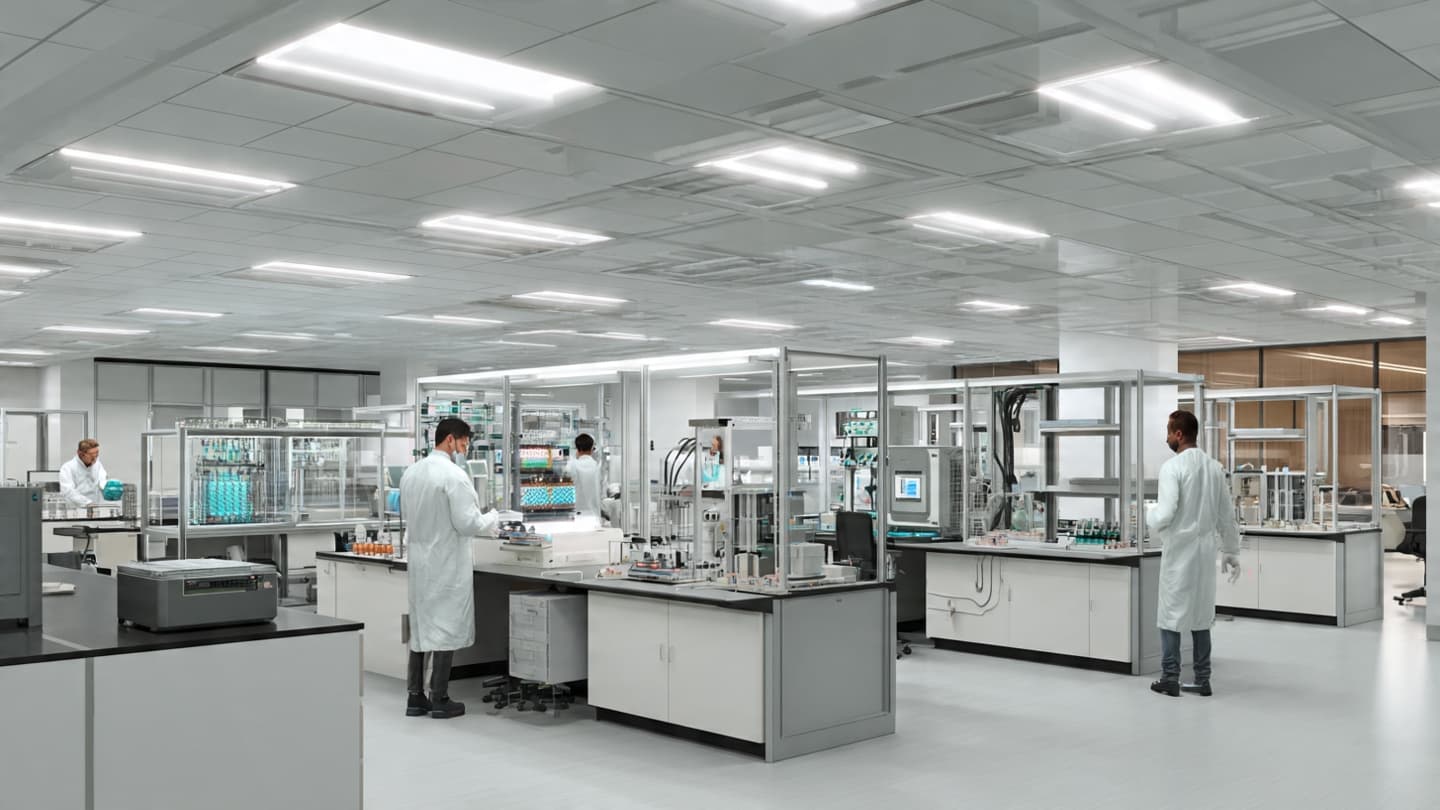
American universities, national laboratories and private companies are all involved in this research. Their work ranges from fundamental materials science to large-scale manufacturing experiments designed to determine whether laboratory discoveries can be produced economically.
The challenge of scaling is considerable. A battery material that performs well in a small laboratory cell may behave differently when manufactured across millions of units. Production consistency, temperature management and long-term reliability all become more difficult at industrial scale.
Electric vehicles also place unusual demands on batteries. Drivers expect reliable performance in different climates, frequent charging and thousands of kilometers of use. Meeting those expectations requires batteries that remain stable across a wide range of conditions.
Recycling is becoming another part of the conversation. As more electric vehicles reach the end of their useful lives, recovering valuable materials from used batteries could reduce waste and provide another source of raw materials.
The next generation of electric vehicles will therefore depend partly on progress taking place far from the road. Inside laboratories and manufacturing facilities, researchers are testing materials and designs that could eventually determine how efficiently future vehicles store and use energy.
AI Image Disclaimer The accompanying visuals are AI-generated conceptual representations of battery research and electric mobility and are not photographs of actual American facilities.
Sources U.S. Department of Energy Argonne National Laboratory National Renewable Energy Laboratory Reuters U.S. Department of Energy's Vehicle Technologies Office
Published by Banx Network. This article is part of the Banx decentralized media programme, powered by the BXE token on the XRP Ledger.