In the soft light of morning, when the world stirs into motion and countless unseen particles drift through the air, there lies a hidden interplay between the breath we take and the life that begins within. Just as a painter’s brushstroke defines the shape of a new form on canvas, the early weeks of pregnancy are a delicate period when the first outlines of a future life are drawn. In this fragile window, emerging research now suggests that something as invisible as sulfur dioxide in the air — a trace of industrial and urban emissions — may subtly influence the very pattern of that developmental canvas.
A large study, drawing on more than half a million births, explored the link between maternal exposure to ambient air pollutants and the occurrence of congenital limb defects in children. Limb development, with its complex choreography of cellular growth and signaling, unfolds in the earliest months after conception. Researchers found that during this sensitive period, higher levels of sulfur dioxide exposure were associated with increased odds of certain congenital limb abnormalities, including conditions such as limb shortening and polydactyly.
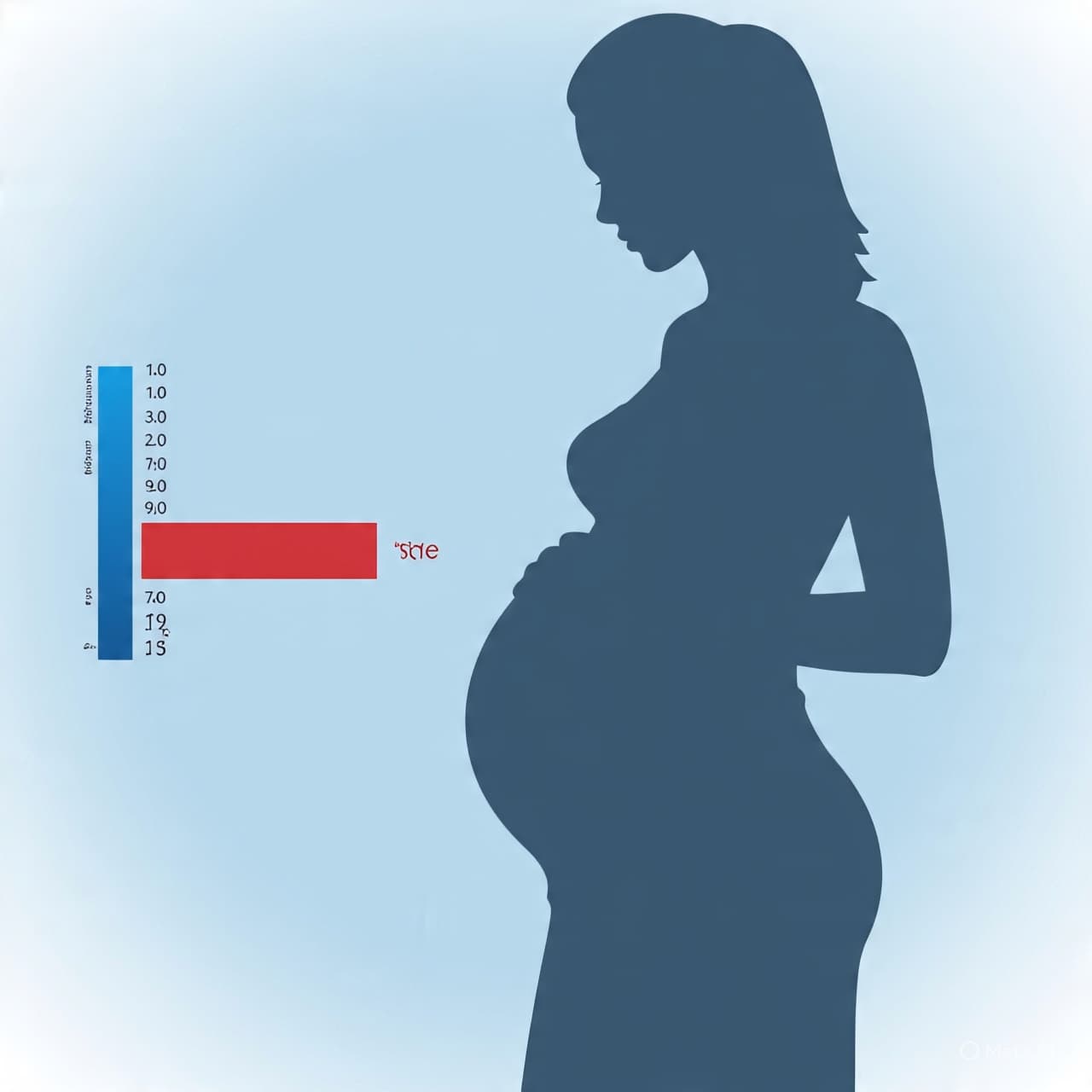
The cadence of these findings is measured and nuanced. Although the absolute risk for any individual remains low, the analysis revealed that for every incremental rise in sulfur dioxide concentration during the first trimester, there was a modest but statistically significant increase in the likelihood of a child being diagnosed with a limb defect. This pattern did not appear consistently with other common pollutants, such as particulate matter or nitrogen dioxide, suggesting a particular sensitivity linked with sulfur dioxide at these early stages of fetal development.
It is worth pausing to consider why this early period might be so vulnerable. In the first weeks after conception, embryonic cells are rapidly dividing and organizing into the structures that will later define arms, legs, and digits. This intricate choreography is guided by genetic signaling that can be disrupted by oxidative stress and inflammation — processes that environmental pollutants can trigger. While the mechanisms are still under study, scientists believe that these biological ripples may help explain the observed associations.
Importantly, the study’s strength lies in its large, population-based design. By following more than 510,000 pregnancies and identifying patterns in exposure and outcomes, the researchers could look beyond chance and discern trends that might otherwise remain unseen. Yet, they also caution that such observational work cannot establish definitive cause and effect. Rather, it highlights an association that merits deeper exploration — one that may inform broader conversations about air quality and maternal health.
Another layer of this narrative is the context of public health. Although improved regulatory efforts and cleaner technologies have reduced many kinds of emissions in parts of the world, sulfur dioxide remains a concern in urban or industrial regions. For expectant families and healthcare providers, awareness of environmental influences on early development underscores the value of clean air initiatives and the importance of protective strategies.
This research also invites a broader reflection on how seemingly distant factors — a factory emission plume, a busy highway’s exhaust — can intersect intimately with human life at its earliest and most vulnerable stages. Just as an artist’s choice of pigment alters the hue of a painting, the composition of the air we breathe can shape subtle threads of development in ways we are only beginning to understand.
In the coming years, scientists aim to deepen this work, examining potential biological pathways, refining exposure measures, and exploring how public policy and urban planning might mitigate such risks. For now, the study gently expands our understanding of pregnancy’s early landscape, reminding us that the environment around us is part of the unseen story of human beginnings.
Closing out this discussion, researchers report that maternal exposure to sulfur dioxide in the first three months after conception is associated with higher odds of certain congenital limb defects, a finding that may inform future public health efforts and environmental policies.
AI Image Disclaimer Visuals are created with AI tools and are not real photographs.
Sources (5 media names — no URLs):
News-Medical Scientific Reports (journal referenced by the news article) Medical research community reporting Epidemiology research commentary Environmental health reporting
Published by Banx Network. This article is part of the Banx decentralized media programme, powered by the BXE token on the XRP Ledger.