Code once moved quietly through computers, invisible to most people outside the rooms where it was written. Artificial intelligence has begun changing that rhythm, allowing software tools to produce and modify code at remarkable speed. With that acceleration comes another question: what happens when the same tools become useful to people working outside legitimate systems?
SpaceX has faced attention over cybersecurity concerns after Russian-speaking cybercriminals reportedly used an AI coding tool called Cursor in attacks against seven companies. The tool was associated with SpaceX's software-development environment, according to reporting by Reuters. (channelnewsasia.com)
The incidents illustrate how artificial intelligence is becoming part of the broader cybersecurity landscape. AI coding assistants can help legitimate developers create software more quickly, understand unfamiliar code, and automate repetitive technical tasks. The same capabilities can potentially lower barriers for malicious actors attempting to develop or modify digital tools.
The reported attacks involved seven companies, highlighting how cyber threats can move across organizational boundaries. A weakness in one environment can provide a starting point for activity elsewhere, while digital tools used for legitimate development can become part of a much more complicated chain.
For companies working in aerospace and advanced technology, cybersecurity carries particular importance. Spacecraft, ground systems, manufacturing networks, communications infrastructure, and software-development environments can contain highly valuable information and interconnected systems.
The emergence of AI-assisted coding adds another layer to that environment. Traditional security teams have spent years building methods to detect malicious software and suspicious activity, but AI-generated or AI-modified code can increase the volume and speed at which new variations are produced.
That does not mean AI coding tools are inherently harmful. Their legitimate applications remain broad, from software engineering and testing to research and technical documentation. The challenge lies in ensuring that security systems evolve at a comparable pace.
The reported use of the technology also reflects the increasingly blurred boundary between software development and cybersecurity. A tool designed to help programmers become more productive can influence security outcomes simply because software development itself has become central to modern infrastructure.
Companies are therefore paying greater attention to access controls, developer environments, monitoring systems, and the ways AI tools are integrated into internal networks. Security is increasingly being considered not only at the edge of a system but also inside the tools used to create it.
The SpaceX-related report arrives during a period when AI-assisted software development is expanding rapidly. As more organizations incorporate such systems into their daily work, the balance between productivity and security will remain an important part of the technology landscape.
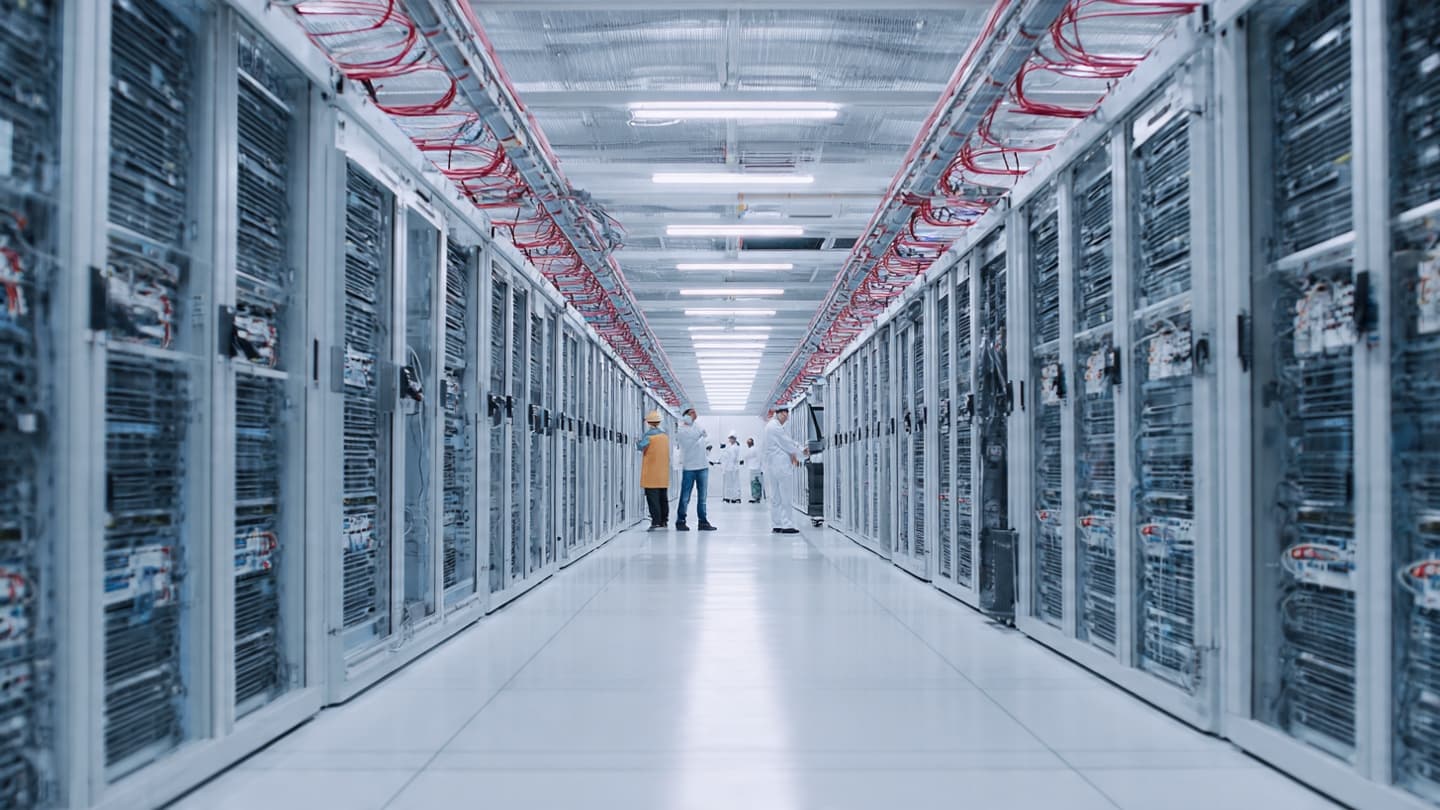
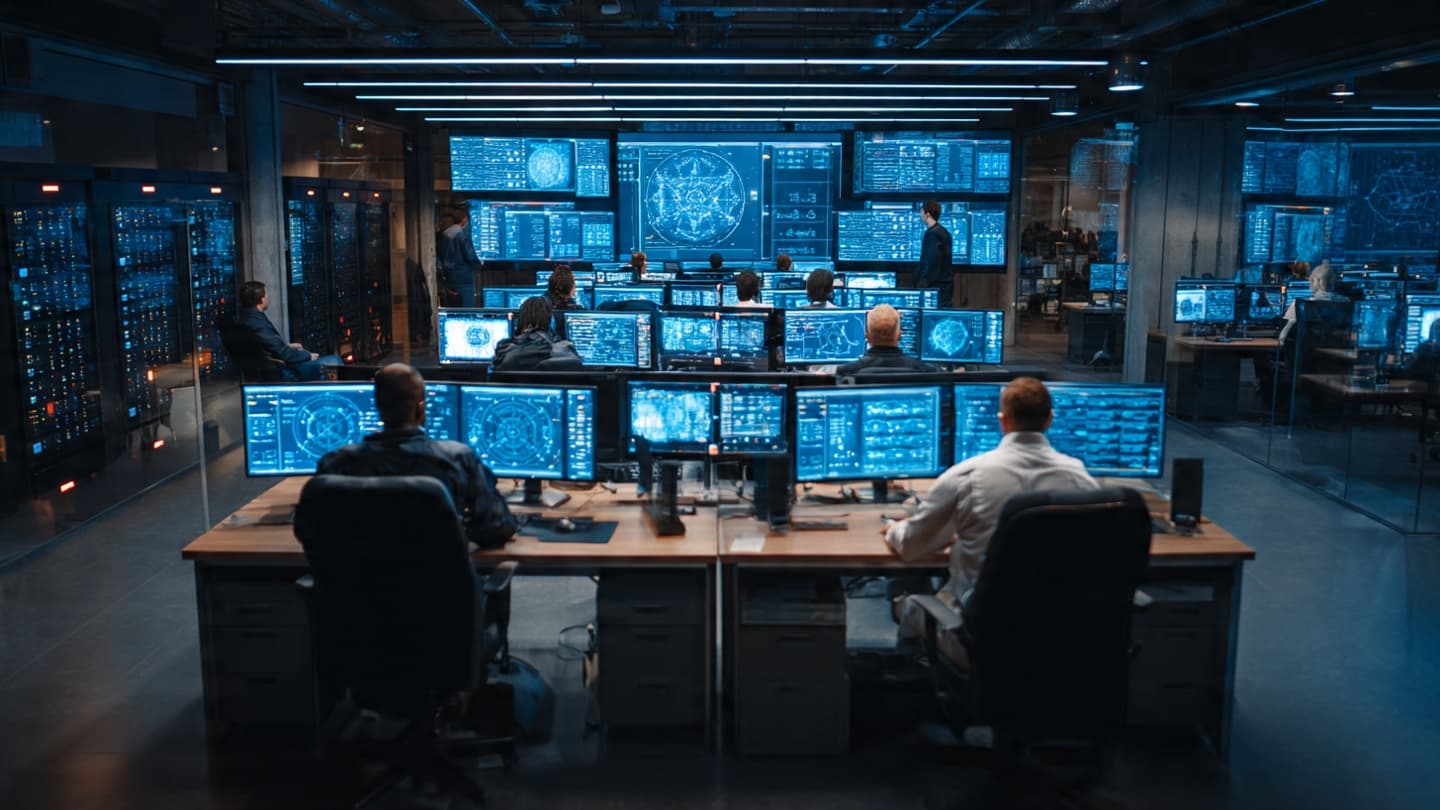
AI Image Disclaimer The following visuals were generated through AI and are intended as illustrative interpretations of cybersecurity and software-development environments.
Sources Reuters CNA
Publié par Banx Network. Cet article fait partie du programme de médias décentralisés Banx, propulsé par le jeton BXE sur le XRP Ledger.