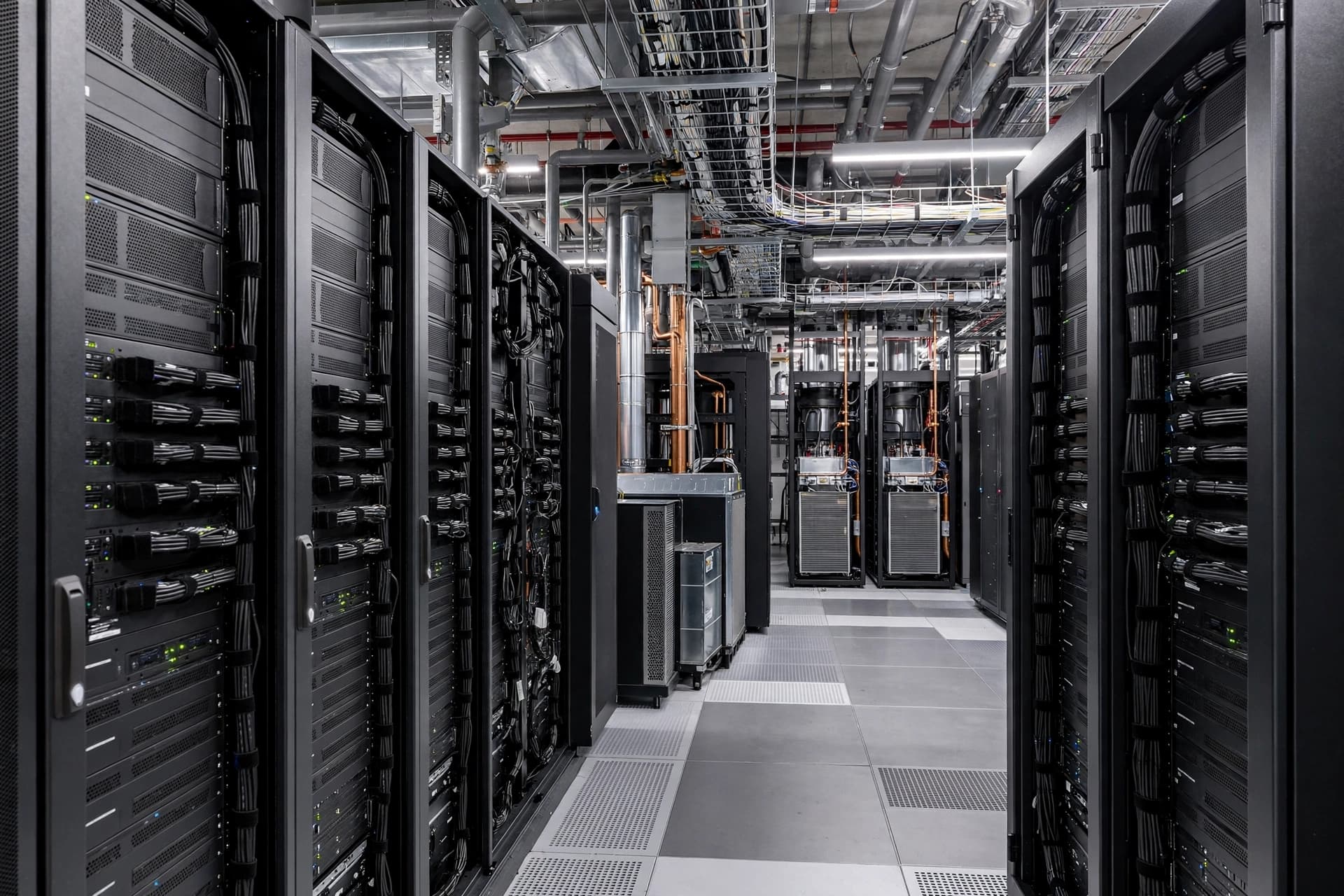
In the quiet, mist-shrouded valleys of Tasmania, a new kind of industry is taking root, one that hums with the silent power of servers rather than the roar of machinery. The recent approval of a major data center project in the state has been described as "reluctant," reflecting a deep-seated tension between economic opportunity and environmental preservation. This decision is not merely a local planning matter; it serves as a bellwether for a growing national debate. As Australia seeks to position itself as a hub for artificial intelligence and cloud computing, the question arises: at what cost does this digital progress come?
The project, backed by significant international investment, promises to bring jobs and infrastructure to the region. Proponents argue that Tasmania’s abundant renewable energy resources, particularly hydroelectricity, make it an ideal location for energy-intensive data centers. They envision a future where the state becomes a green powerhouse for the global digital economy, leveraging its natural advantages to attract tech giants. For many, this represents a vital economic diversification for a region historically dependent on traditional industries.
However, the approval process was fraught with hesitation. Local councils and community groups expressed concern over the visual impact, increased energy demand, and potential strain on local resources. The term "reluctant" captures the ambivalence of decision-makers who recognize the financial benefits but worry about the long-term implications for the landscape and lifestyle that define Tasmania. It is a classic conflict between development and conservation.
This case has drawn attention from across the country, with other states watching closely. If Tasmania can navigate these challenges, it may set a precedent for how other regions handle similar proposals. The "national battle" refers to the broader struggle to balance rapid technological growth with sustainable practices. As more data centers are proposed nationwide, the lessons learned here will be invaluable.
Environmental advocates argue that while renewable energy is crucial, the sheer scale of these facilities requires careful scrutiny. They point to the need for robust regulations regarding water usage, heat dissipation, and land management. The concern is that without strict guidelines, the environmental footprint could outweigh the economic gains. This perspective adds a layer of complexity to the approval process.
The tech industry, meanwhile, emphasizes the urgency of building infrastructure to support AI and big data. They argue that delays in approval could cause Australia to fall behind in the global race for technological supremacy. For them, the reluctance of local authorities is seen as a barrier to innovation and progress. This disconnect highlights the differing priorities of various stakeholders.
Community engagement has become a central theme in the discussion. Residents want a say in how their environment changes, seeking assurances that their voices are heard. The reluctant approval suggests that while the project went ahead, the dialogue is far from over. Ongoing monitoring and community feedback will be essential to maintain trust.
The approval of the Tasmanian data center marks a significant moment in Australia’s technological evolution. It highlights the delicate balance between embracing the digital future and preserving the natural heritage that makes the region unique, setting the stage for continued national discourse.
AI Image Disclaimer: Please note that any accompanying visuals for this report are AI-generated representations intended to illustrate the context of the event.
Sources: ABC News The Mercury Tasmanian Times Data Centre Dynamics
Published by Banx Network. This article is part of the Banx decentralized media programme, powered by the BXE token on the XRP Ledger.