In the later chapters of life, the human heart often carries stories that were never written down. It has labored quietly through years of work, illness, recovery, and endurance. In many parts of the world, especially where health systems stretch thin across wide landscapes, these stories surface only when breath grows shorter and steps slow to a pause. In Cameroon, as in much of sub-Saharan Africa, aging is meeting modern medicine at an uneven crossroads, and heart failure has become one of the quiet witnesses to this encounter.
Heart failure in elderly patients does not arrive as a sudden visitor. It develops gradually, shaped by long-standing hypertension, silent ischemia, metabolic changes, and delayed access to routine care. The cross-sectional study conducted in Cameroon reflects this slow unfolding. Most elderly patients presented late, often after symptoms had already disrupted daily life. Fatigue, dyspnea, and peripheral edema were common expressions of a heart struggling to adapt to time and pressure. These were not dramatic emergencies, but persistent signals that had learned to wait.
Epidemiologically, the study reveals a population aging within a system historically designed to combat infectious disease rather than chronic cardiovascular conditions. Hypertension emerged as the dominant underlying factor, mirroring broader African trends where blood pressure often goes undiagnosed or undertreated for years. Diabetes and ischemic heart disease appeared less frequently, not necessarily due to lower prevalence, but possibly reflecting diagnostic gaps rather than absence. Women were slightly more represented, aligning with longer life expectancy and survival into advanced age.
Clinically, elderly patients showed a complex blend of symptoms that blurred classical textbook definitions. Many arrived with preserved ejection fraction, a form of heart failure that resists easy categorization and treatment. Atrial fibrillation, anemia, and renal dysfunction frequently accompanied the cardiac findings, reminding clinicians that aging hearts do not fail in isolation. Each diagnosis carried the weight of multiple systems aging together, complicating both recognition and management.
Paraclinical findings added another layer of quiet complexity. Echocardiography, when available, revealed left ventricular hypertrophy as a common structural adaptation to years of elevated blood pressure. Chest radiography and electrocardiography, more accessible tools, offered partial insights but often lacked the resolution needed for nuanced decisions. Laboratory evaluations highlighted electrolyte imbalances and renal impairment, underscoring the fragile equilibrium within elderly physiology.
The study also subtly reflects health system realities. Limited access to advanced imaging, delayed referrals, and financial constraints shaped both diagnosis and documentation. Yet within these limitations, clinicians assembled a meaningful picture of heart failure as it exists on the ground, not as it appears in controlled trials. This grounded perspective offers value beyond statistics, capturing how disease and context intersect.
In closing, the findings from Cameroon do not call for alarm, but for attention. They suggest that heart failure in elderly populations is no longer a distant concern, but a present and growing reality. As life expectancy rises, the need for early detection, sustained hypertension control, and age-adapted cardiac care becomes clearer. The heart, after all, does not ask for perfection—only timely listening.
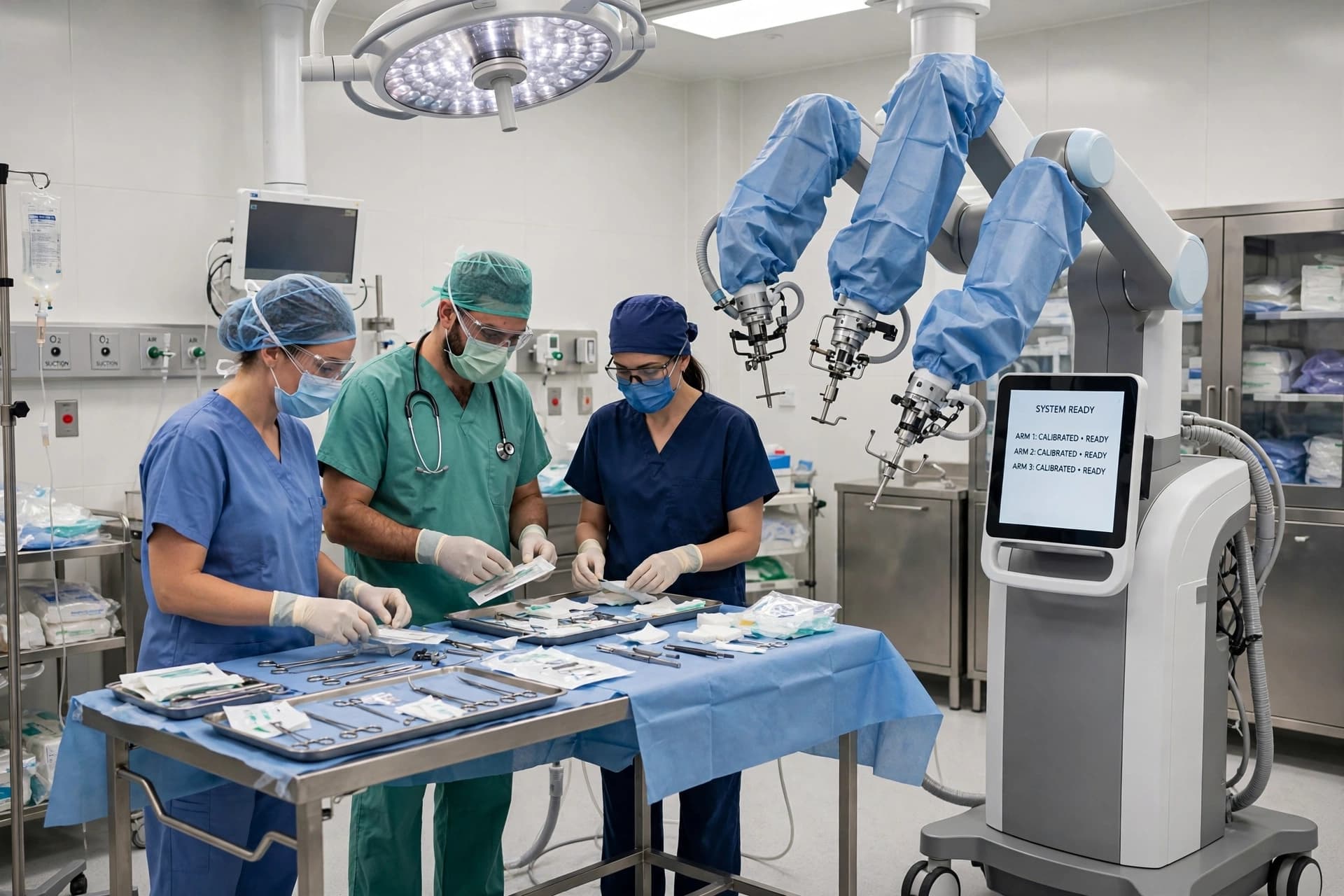
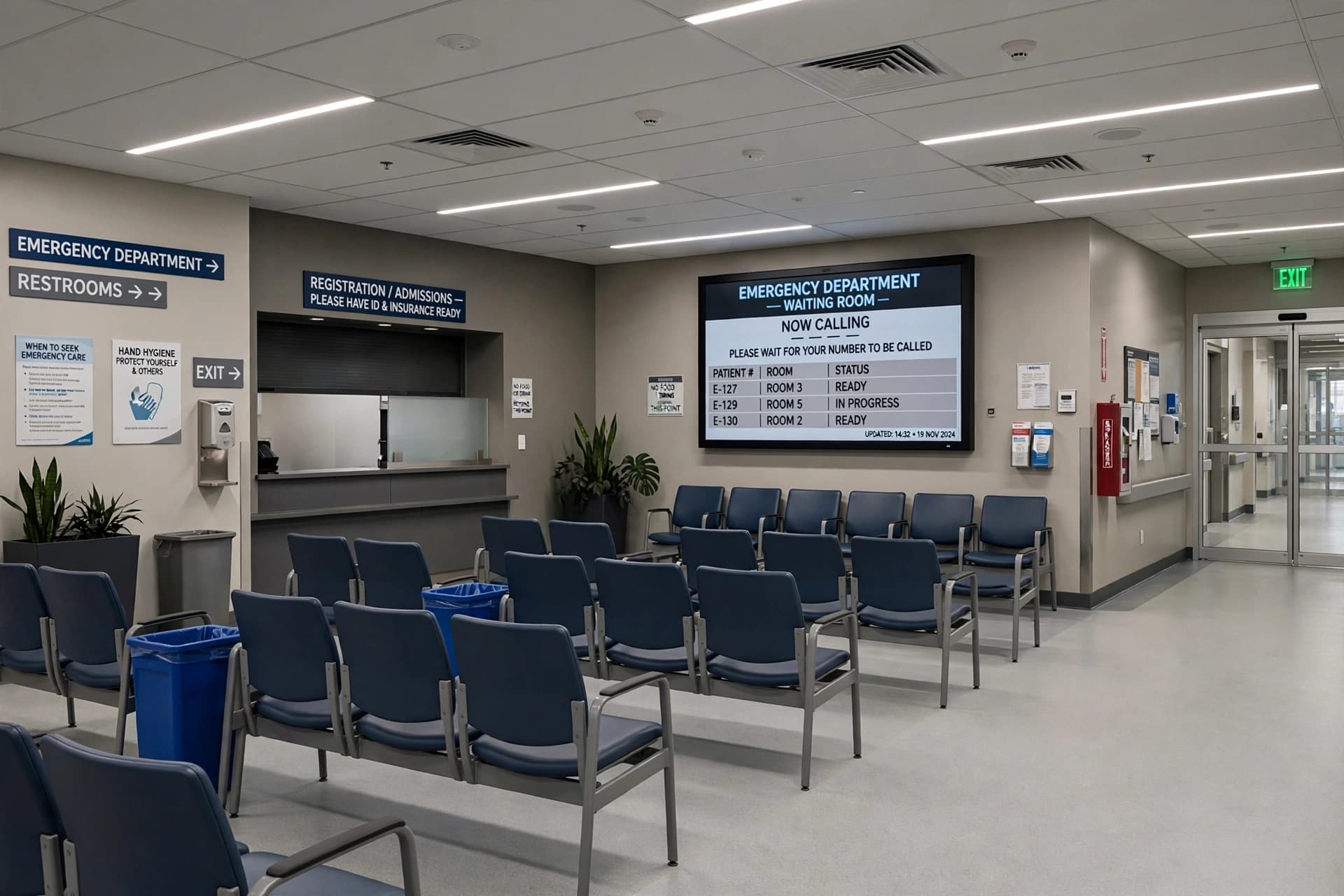
AI Image Disclaimer Illustrations were produced with AI and serve as conceptual depictions rather than real-world photographs.
Source Check (Credible Media & Journals) Strong, credible sources exist for this topic:
The Lancet BMJ (British Medical Journal) World Health Organization (WHO) European Society of Cardiology (ESC) African Health Sciences Journal
Published by Banx Network. This article is part of the Banx decentralized media programme, powered by the BXE token on the XRP Ledger.