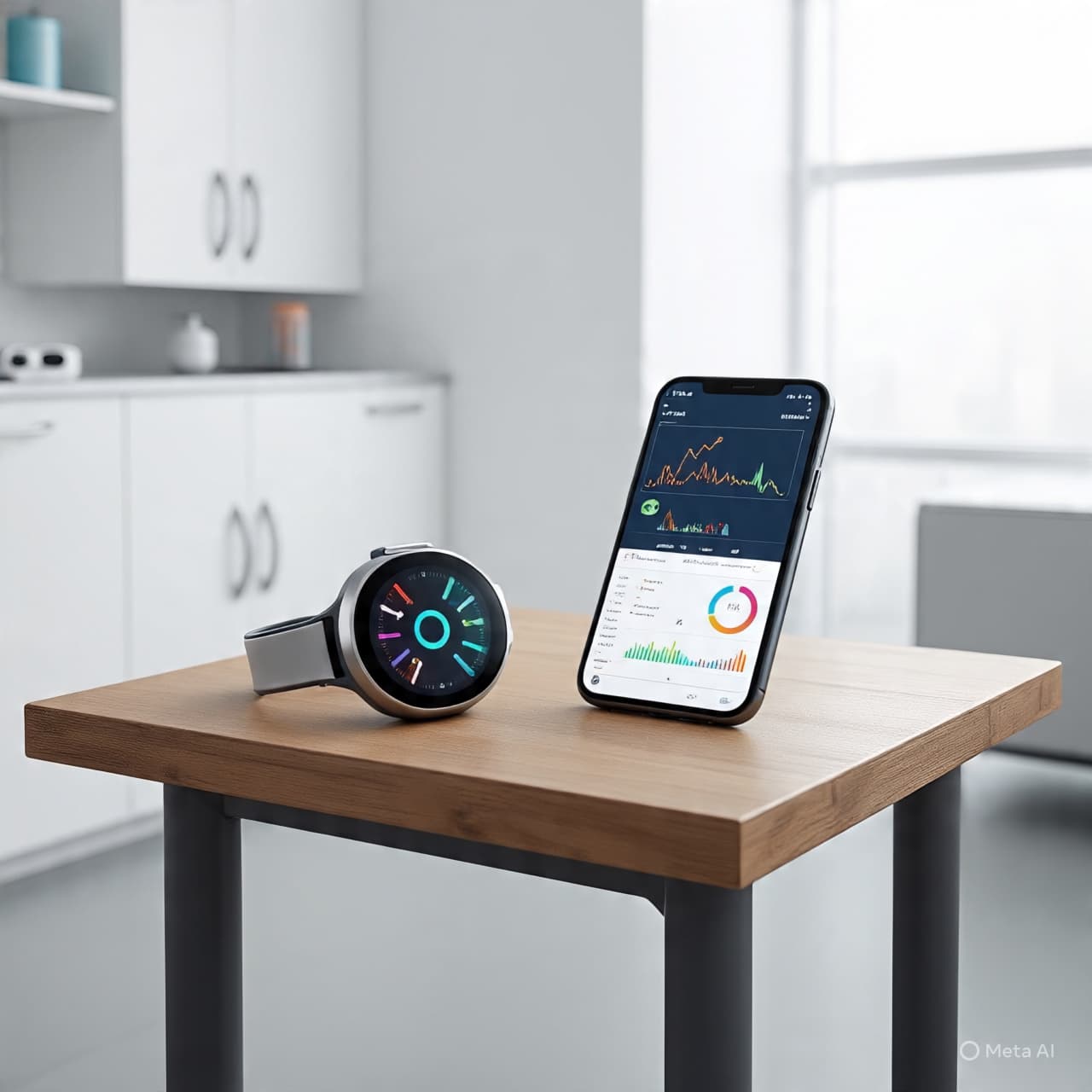
Health, like time, often moves quietly. It does not always announce its turning points with alarms or sudden shifts. Instead, it changes in small increments—numbers rising slightly on a screen, signals faint yet persistent. For millions at risk of chronic illness, those early signals can be the difference between awareness and surprise. Technology, increasingly worn on the wrist, now seeks to listen more closely to those whispers.
has unveiled a diabetes risk assessment study integrated into its latest wearable, the Huawei Watch GT 6 Pro, positioning the device as more than a fitness companion. The initiative focuses on non-invasive screening, using health data collected through sensors to assess potential diabetes risk indicators without requiring blood samples.
The study builds on Huawei’s expanding health ecosystem, which already includes heart rate monitoring, blood oxygen tracking, sleep analysis, and ECG capabilities in select markets. By analyzing patterns such as heart rate variability, sleep trends, activity levels, and other physiological markers, the new risk assessment aims to provide users with early insights into metabolic health. It is not presented as a medical diagnosis, but rather as a screening tool intended to prompt further consultation where necessary.
Company representatives describe the research as part of a broader push into preventive health technology. Diabetes remains one of the most prevalent chronic conditions globally, often developing gradually and going undetected in its early stages. The appeal of non-invasive screening lies in accessibility—lowering the barrier to awareness by embedding assessment tools into devices already worn daily.
The integration reflects a wider trend in the technology sector, where consumer electronics companies are investing heavily in digital health. Smartwatches have evolved from step counters into compact health hubs, collecting continuous biometric data that can be analyzed for patterns over time. Huawei’s approach emphasizes algorithm-driven analysis, developed in collaboration with medical research institutions, according to company statements.
Experts note that while such tools can enhance awareness, they are typically designed as complementary aids rather than replacements for clinical testing. Regulatory frameworks in different regions may also shape how such features are rolled out and described. As with other wearable health metrics, interpretation and follow-up remain essential components of responsible use.
Market observers suggest the addition of diabetes risk screening could strengthen Huawei’s position in the competitive wearable segment. Health-focused features have become a key differentiator among smartwatch manufacturers, particularly as hardware improvements become incremental. By expanding into metabolic health, Huawei signals its intention to broaden the scope of digital wellness.
For users, the experience is designed to be seamless. Data collection occurs passively through existing sensors, with results delivered through the device interface and companion app. The emphasis is on long-term monitoring rather than one-time readings, reflecting the chronic nature of metabolic conditions.
As the Watch GT 6 Pro reaches consumers, the diabetes risk study will likely draw attention from both technology enthusiasts and healthcare professionals. The broader conversation about wearable health tools continues to evolve, balancing innovation with clinical rigor. In the meantime, Huawei’s latest feature represents another step in the convergence of personal technology and preventive care.
AI Image Disclaimer
Illustrations were produced with AI and serve as conceptual depictions.
Sources: Reuters Bloomberg CNBC South China Morning Post TechCrunch
Published by Banx Network. This article is part of the Banx decentralized media programme, powered by the BXE token on the XRP Ledger.