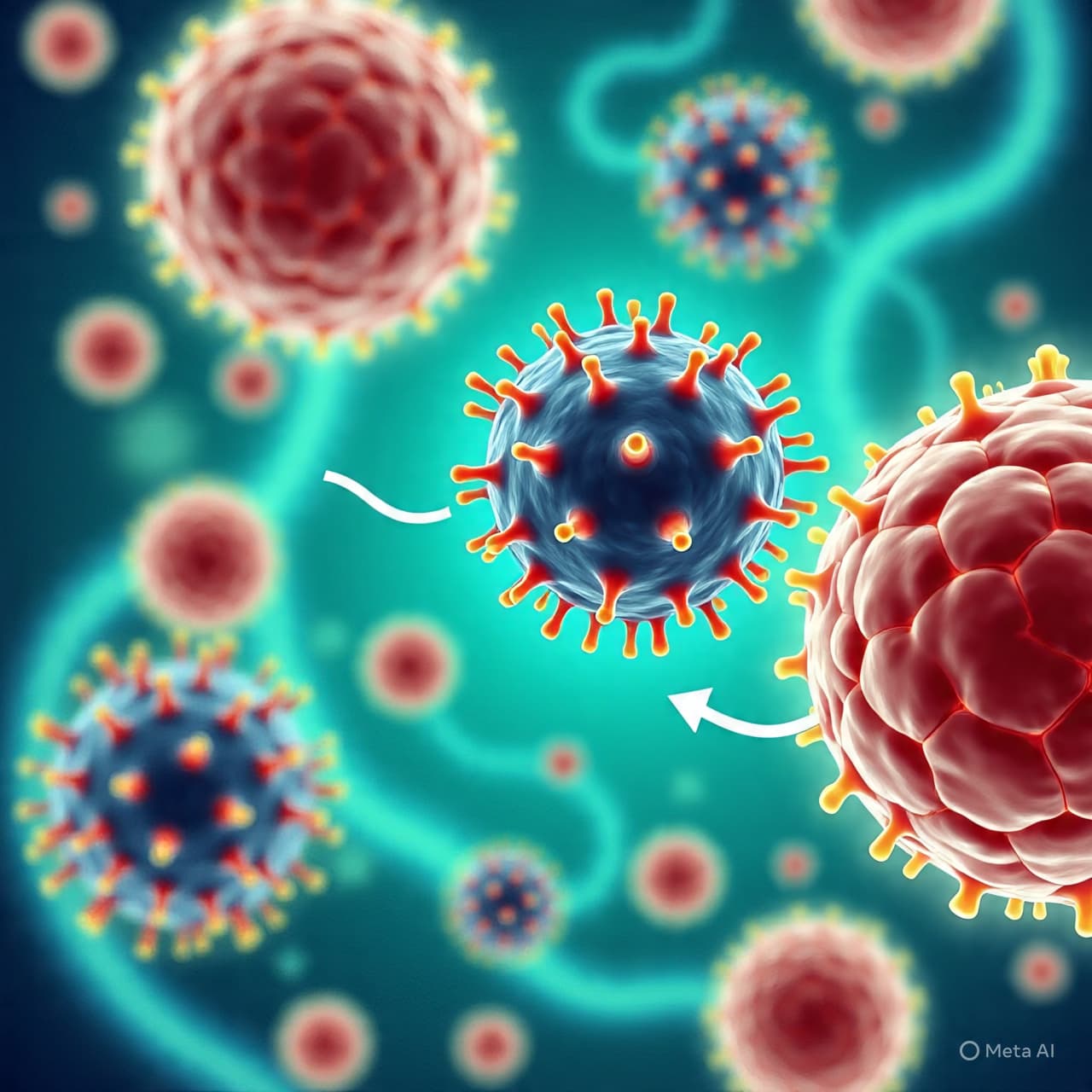
In the soft hush of winter mornings, a familiar visitor returns: the common cold. Yet, as it drifts through households and offices, its mark is curiously uneven. For some, it barely stirs a sniffle; for others, it brings days of congestion, fatigue, and discomfort. Like a story told in a thousand voices, the same viral whisper can become a shout or a murmur depending on the listener.
At the heart of this quiet mystery lies the body’s own defense — the immune system. Recent research from scientists at Yale School of Medicine suggests that the difference isn’t so much in the virus itself, but in how our cells greet it. Using tiny laboratory models of nasal airways, the team showed that when infected cells quickly produce interferon — a protein that signals the body to halt viral spread — the infection stays small and our symptoms remain mild. When this early response falters, infection spreads and triggers a cascade of inflammation, mucus, and discomfort.
This elegant interplay highlights how our genetic makeup subtly tunes our immune orchestra. As experts have noted, variations in genes and immune pathways mean that some people’s systems are primed to respond swiftly and efficiently, while others may mount a slower or more turbulent defense. Such individual immunological landscapes help explain why one neighbor’s cold passes like a passing cloud and another’s lingers like a winter storm.
Beyond genetics, the body’s inflammatory choreography plays a role too. Some people naturally produce a more vigorous set of chemical signals — cytokines — that amplify the sensations of sickness. These signals, while critical for defense, can also heighten congestion, aches, and the whole-body malaise we associate with a bad cold.
Even aspects of our daily life — such as sleep habits, stress levels, and the subtle quality of our social connections — may shape how intensely we feel symptoms. Some studies suggest that psychological factors like loneliness can influence how miserable we feel when ill, underscoring that sickness is both biological and experiential.
In this mosaic of influences, we see that the common cold is less a single story and more an anthology — written not only by the virus, but by our immune whispers, genetic rhythms, and lived lives.
AI Image Disclaimer (Rotated Wording) Visuals are created with AI tools and are not real photographs.
Sources Washington Post Patient.info Biology Insights ZME Science / academic reporting Studies on psychosocial influences of sickness (e.g., loneliness and symptom severity)
Published by Banx Network. This article is part of the Banx decentralized media programme, powered by the BXE token on the XRP Ledger.