There are moments when a single event seems to stretch beyond its brief span — like a ripple that travels farther than the initial touch, or a solitary beam of sunlight revealing patterns we had overlooked. In the unfolding tapestry of the Middle East, such moments carry weight far beyond the seconds they occupy, prompting reflection not just on what has happened, but on what lies ahead.
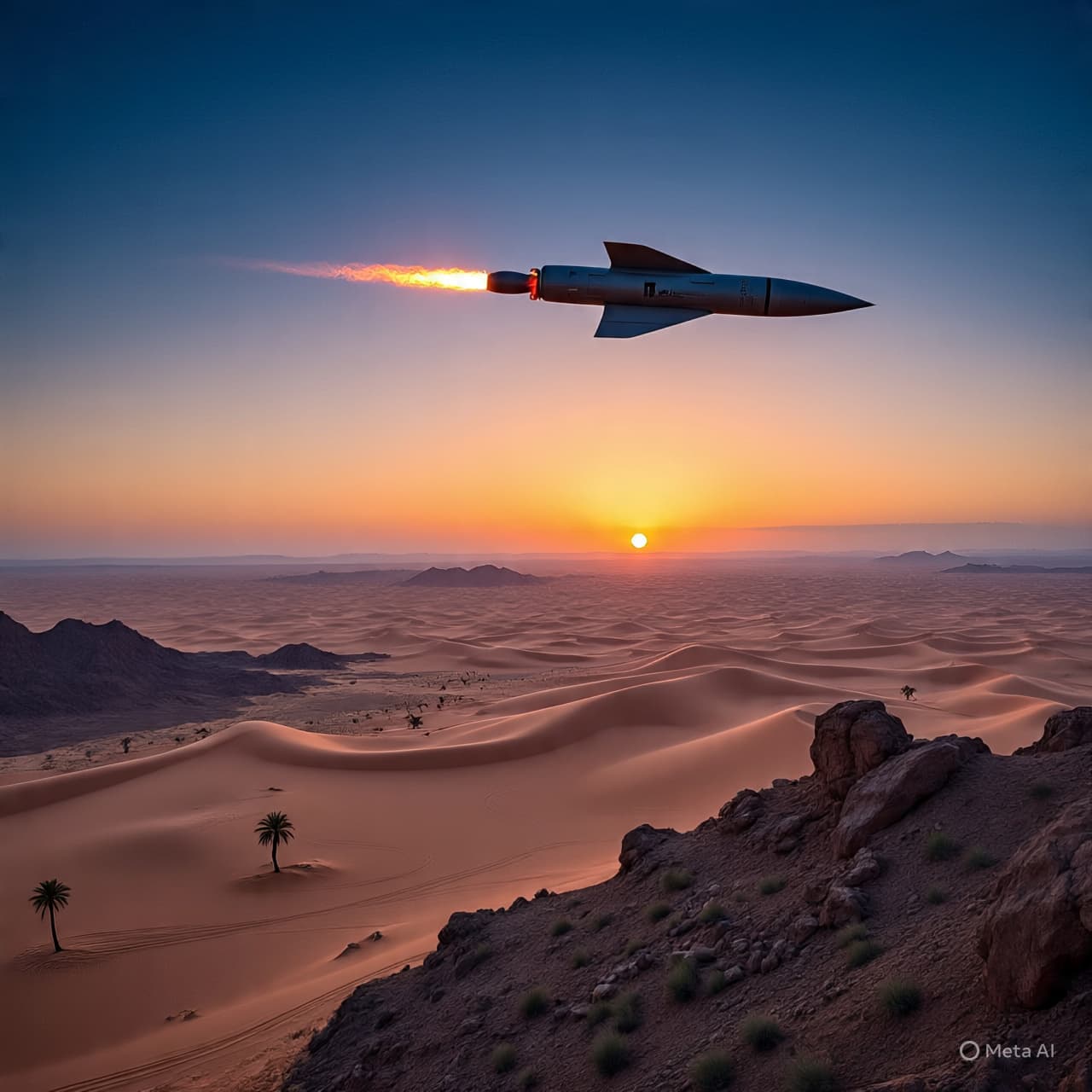
In the early hours of Saturday, Yemen’s Iran‑aligned Houthi movement announced it had launched a ballistic missile toward Israel — a move it described as its first direct strike in the current regional war. Israel’s military reported identifying the projectile and working to intercept it, adding that the launch marked a notable shift in the conflict’s geography.
For years, the Houthis have been a persistent presence in the wider Middle Eastern landscape, engaging in drone and missile fire primarily against shipping and, at times, against western‑linked targets in the Red Sea following the escalation of hostilities earlier this year. Their alignment with Iran has been well‑noted by analysts, even as their direct engagement against Israel had until now been limited or indirect.
The decision to launch toward Israel reflects a moment of alignment within the broader conflict involving Iran, the United States, and Israeli forces. It underscores how regional actors, bound by shared interests and alliances, can find themselves moving in tandem with larger strategic currents. In this case, the missile launch — whether intended as signal, solidarity, or escalation — adds a new layer to a conflict already defined by far‑reaching implications.
Yet within the unfolding narrative, there is a sense of measured observation. Israel’s defenses, equipped with multilayered systems designed to track and intercept such projectiles, were engaged soon after the launch was reported, and there were no immediate reports of damage or casualties linked to the event.
Still, the symbolic character of the launch carries significance for both sides and for observers beyond the immediate theater of operations. For the Houthis, it represents an overt entrance into the war’s active dynamic against Israel, while for others it raises questions about the potential expansion of a conflict that has already reverberated across borders, affecting global trade routes, energy markets, and diplomatic ties.
At the same time, voices in the region and international capitals continue to emphasize the importance of restraint and dialog even as tensions rise. The broader international community — from diplomatic envoys to security analysts — watches closely for indications of either further escalation or avenues for mitigation.
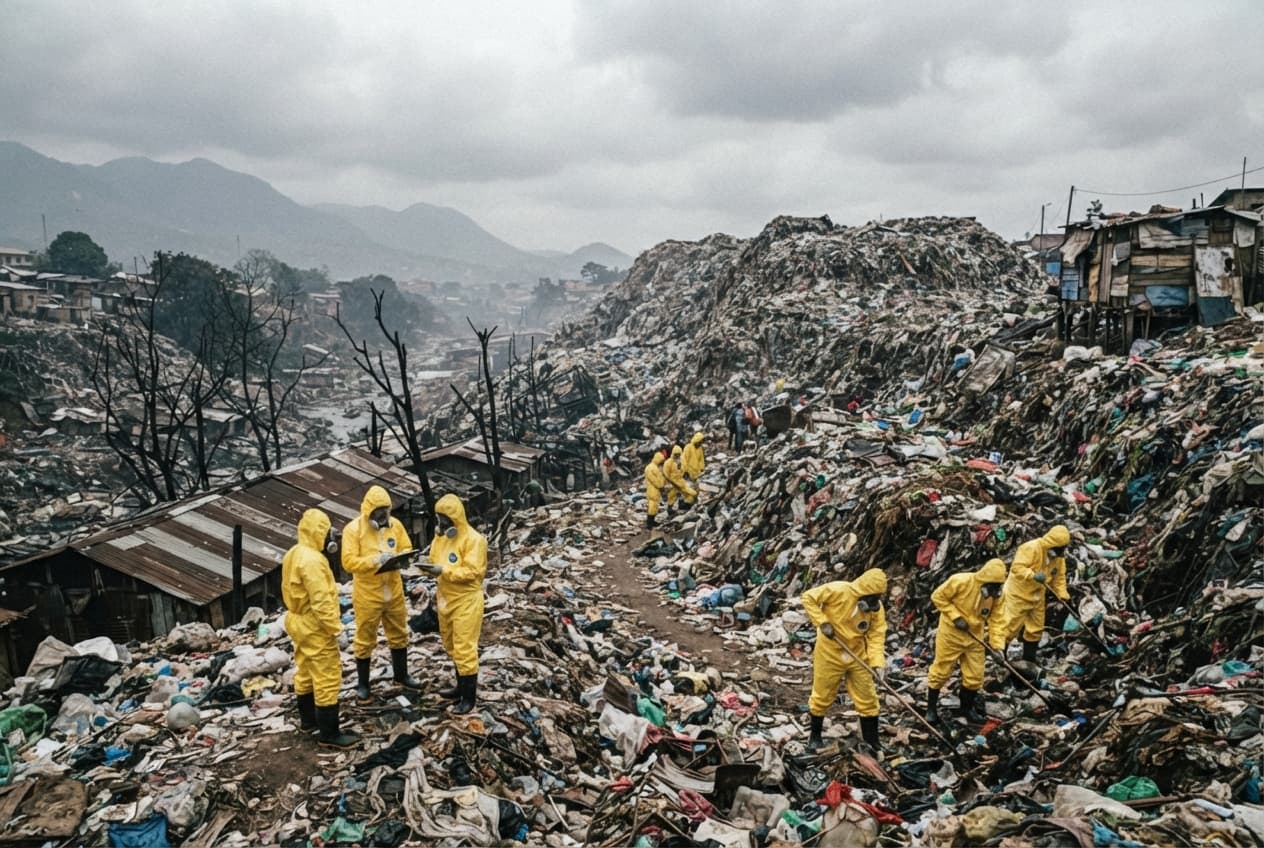
AI Image Disclaimer Visuals are created with AI tools and are not real photographs.
Sources Credible news sources covering this event:
Associated Press (AP) Reuters The Guardian WFAA News Gulf Today News
Published by Banx Network. This article is part of the Banx decentralized media programme, powered by the BXE token on the XRP Ledger.