Some technologies announce themselves loudly, arriving with spectacle and bravado. Others return quietly, like a familiar silhouette at the edge of the room, waiting to be noticed again. At CES this year, LG’s Wallpaper OLED TV did not shout for attention. It simply reappeared still impossibly thin, still hovering between object and idea reminding visitors that restraint can be as powerful as reinvention.
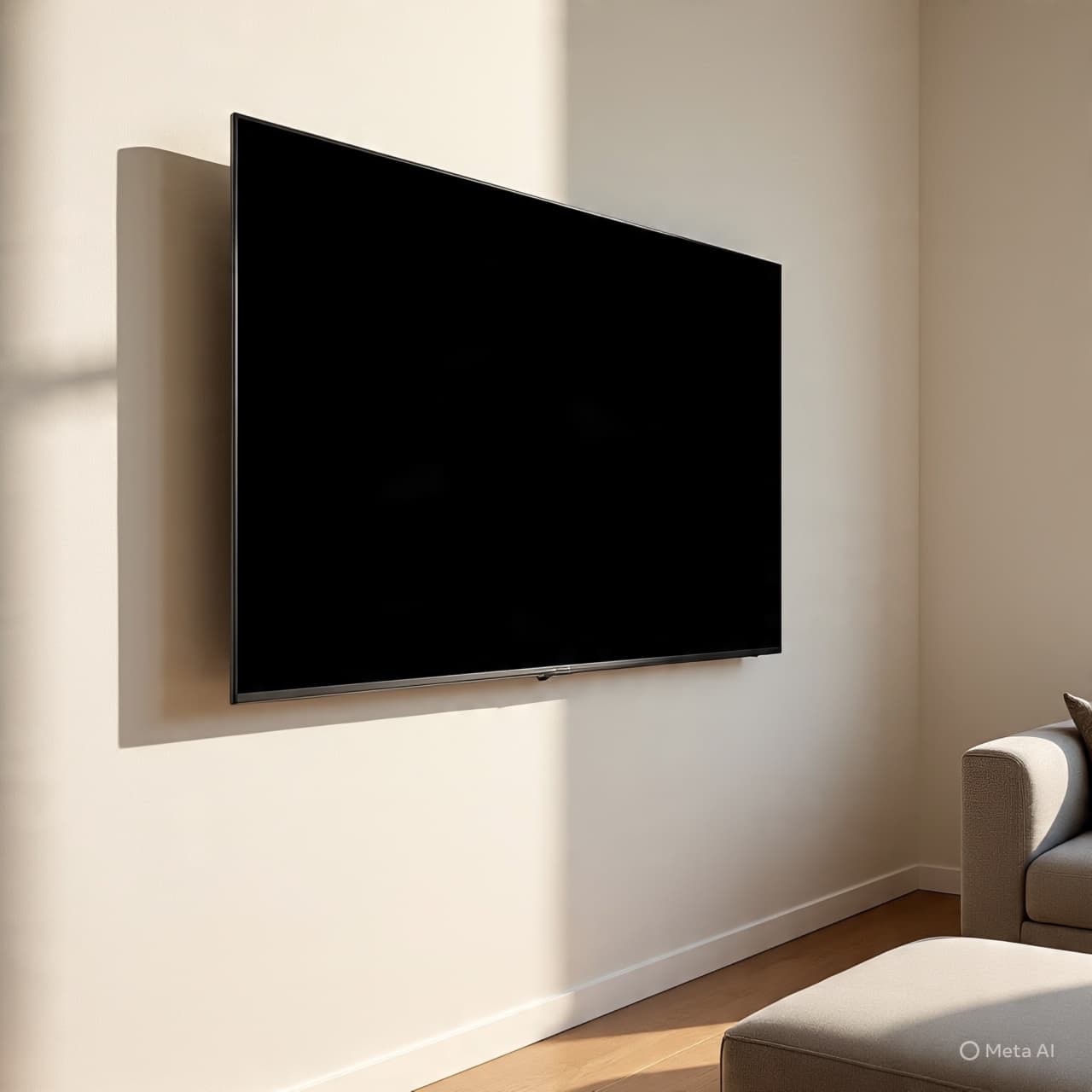
The Wallpaper OLED has always lived in a delicate space between television and interior design. Mounted flush against the wall, it asks the viewer to reconsider what a screen is meant to be. Is it a device, or is it a surface? At CES, LG’s decision to bring it back felt less like a product revival and more like a quiet reaffirmation of a philosophy: that technology can exist without demanding physical dominance.
Its wafer-thin form remains the defining gesture. The panel clings to the wall with a lightness that borders on illusion, as though gravity were optional. In an era where screens often grow larger, heavier, and more assertive, LG’s approach moves in the opposite direction toward disappearance. The television becomes less of an object and more of a presence, there when needed, nearly invisible when not.
Technically, the return of the Wallpaper OLED also reflects how far OLED manufacturing has matured. What once felt experimental now appears confident. Image quality, color depth, and contrast are no longer framed as novelties but as expected traits, quietly supporting the design rather than competing with it. LG does not ask viewers to marvel at specifications; instead, it invites them to notice how little space the technology occupies in their lives.
There is also a subtle cultural note in its return. As homes become multifunctional spaces workplace, theater, gallery the desire for adaptable, unobtrusive technology grows stronger. The Wallpaper OLED seems to answer that desire not with transformation, but with reduction. Less bulk, fewer visual interruptions, more room to breathe.
In bringing the Wallpaper OLED back to CES, LG did not present a dramatic leap forward. The message was gentler than that. Some ideas do not need reinvention; they need refinement, patience, and the right moment to resurface. This television feels less like a response to trends and more like a reminder that elegance, once introduced, does not easily go out of date.
As CES moves on and new devices take center stage, LG’s ultra-thin screen lingers in memory not because it demanded attention, but because it asked so little of the space around it.
AI Image Disclaimer (Rewritten) Visuals in this article are created using AI tools and serve as conceptual representations rather than real photographs.
Sources:
LG Newsroom The Verge CNET Engadget TechRadar
Published by Banx Network. This article is part of the Banx decentralized media programme, powered by the BXE token on the XRP Ledger.