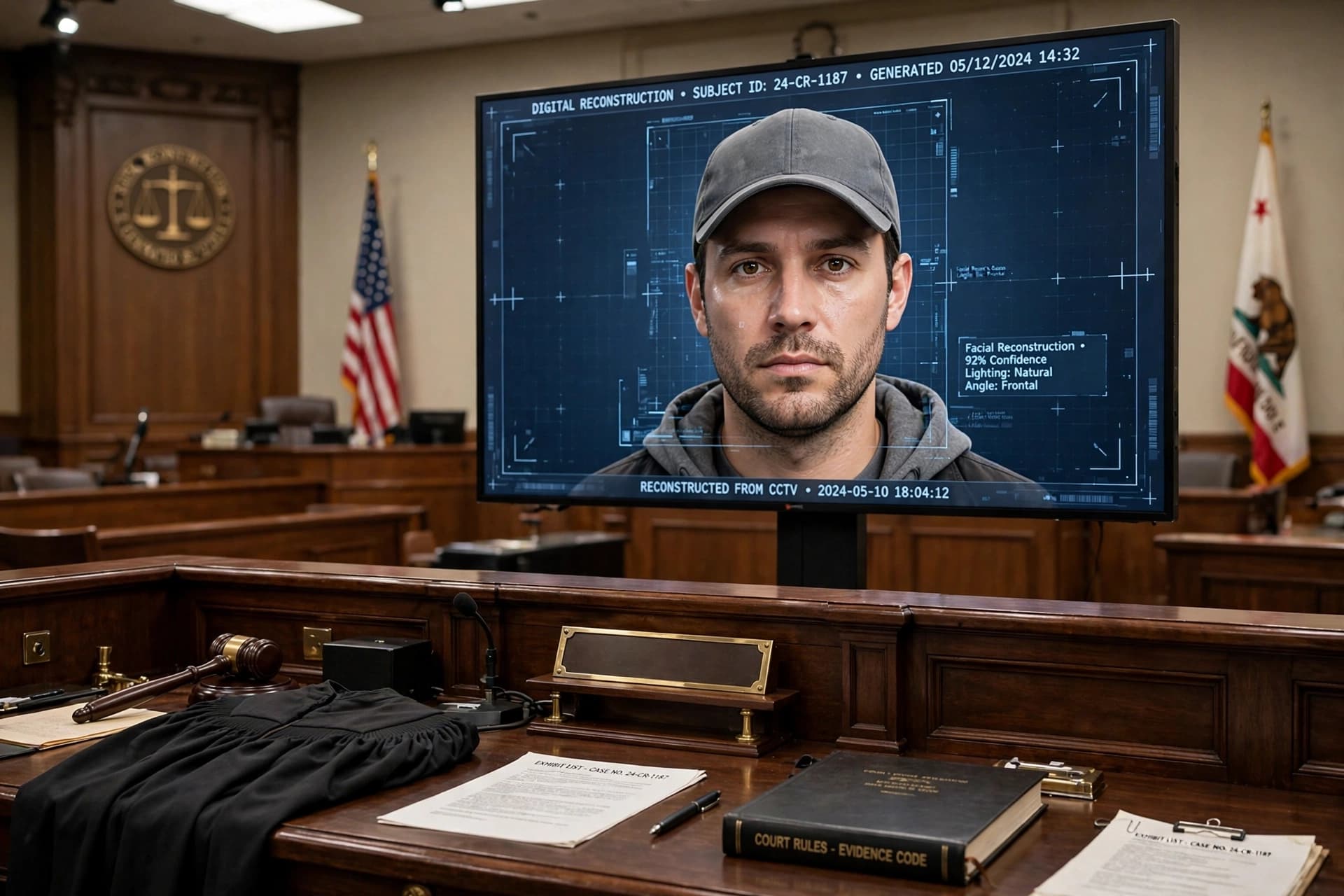
A photograph is supposed to be a resting place for memory. It holds a fragment of time still, asking nothing more than to be remembered gently. Yet in the age of artificial intelligence, even these quiet keepsakes can be pulled from their frames and carried somewhere darker. For those whose images have been misused, the shock is not only digital but deeply human a realization that something once innocent has been rewritten without consent, without care, and without warning.
The rapid rise of generative AI has brought with it extraordinary promise, but also an uncomfortable truth: technology learns from what we give it, and sometimes takes more than it should. Images shared in good faith childhood photographs, family moments, public portraits can be absorbed, altered, and reproduced into scenes that bear no resemblance to reality, yet feel painfully real to the people involved. When an image of a child or a private individual is transformed into exploitative material, the harm does not exist only on a screen. It travels inward, reopening wounds, reshaping trust, and altering how someone sees their own past.
For survivors of abuse, this misuse can echo earlier trauma. The fear is not abstract. It is the knowledge that control has once again slipped away, that a body or face is being spoken for by something cold and automated. What makes this moment especially fragile is how easily such harm can now be replicated, multiplied, and distributed not by hidden networks alone, but by tools that sit openly in the modern digital landscape. Regulators, technologists, and platforms are beginning to respond, acknowledging that safeguards were too slow to arrive. Investigations, legal actions, and restrictions are forming, but they follow after damage has already been done.
Beyond policy and enforcement lies a quieter question about responsibility. In a world where images move faster than empathy, how do societies protect the dignity of people whose likeness can be endlessly reshaped? How do we teach machines, and those who design them, that consent does not disappear once something becomes data? These questions do not demand outrage so much as reflection, because the people affected are not symbols in a debate. They are individuals whose lives continue long after an image has escaped its original context.
What is emerging now is a cautious reckoning. Authorities are examining AI systems more closely, companies are limiting features, and conversations about digital consent are gaining urgency. These steps may not undo what has already happened, but they signal a recognition that harm created by technology is still harm. As this story continues to unfold, the challenge remains clear: to ensure that progress does not come at the cost of human dignity, and that no one else is forced to relive a nightmare simply because a machine was allowed to imagine without restraint.
AI Image Disclaimer (Rotated Wording) “Illustrations were produced with AI and serve as conceptual depictions.”
Sources (mainstream / credible)
The Guardian The Guardian / Reuters reporting on AI tool Grok creating sexualized imagery of minors. UK regulator investigates AI-generated sexualized deepfakes. California AG orders xAI to stop AI generation of sexualized minors imagery. AP News — lawsuit over sexually exploitative deepfakes by AI.
Published by Banx Network. This article is part of the Banx decentralized media programme, powered by the BXE token on the XRP Ledger.