There is a particular kind of tension that settles over a city when the boundaries between local and federal authority begin to blur. New York has long understood this tension, having spent decades carving out a sanctuary posture that seeks to draw a line—however contested—between the work of city services and the reach of federal immigration enforcement. That line, this week, has become the subject of a formal ultimatum.
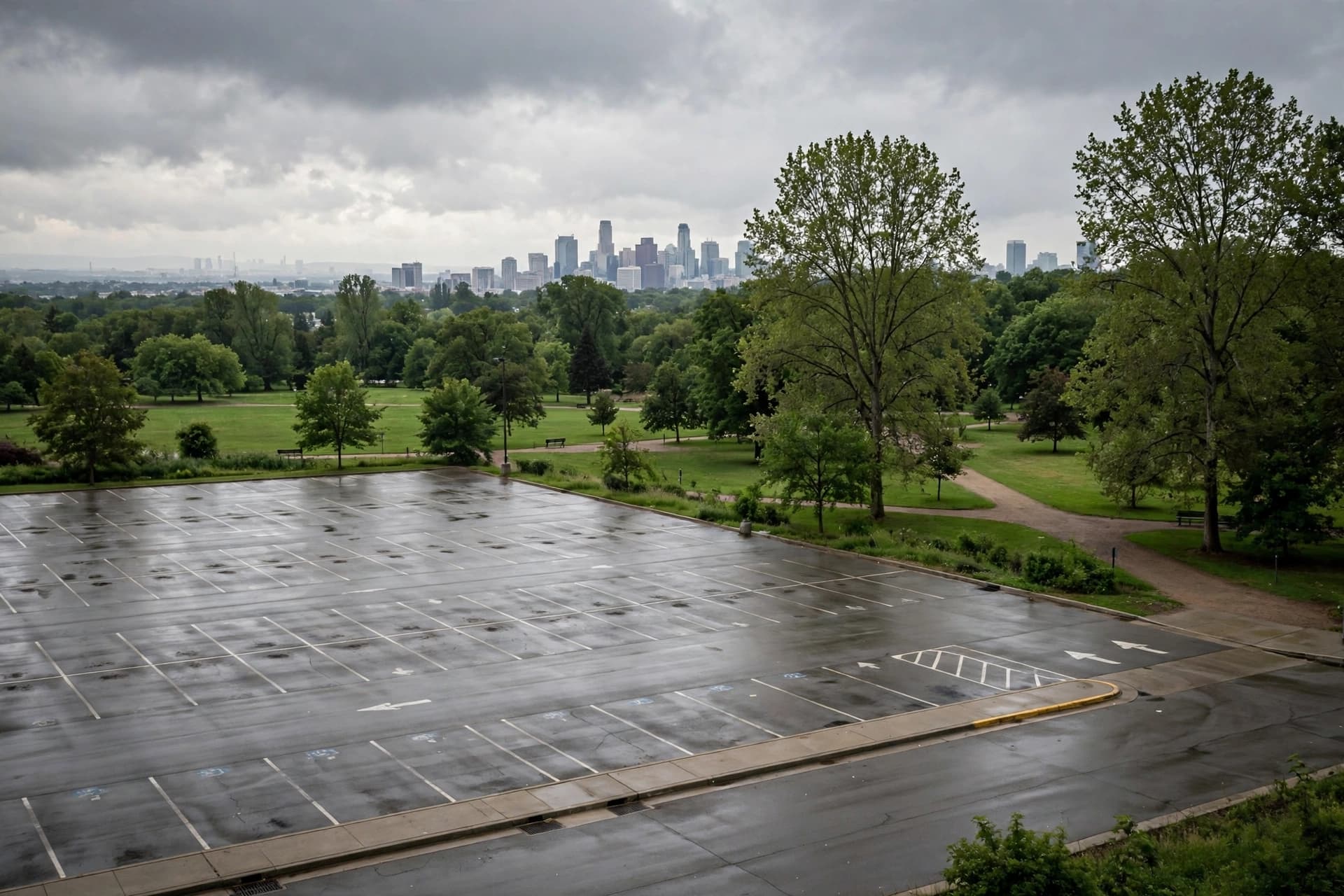
Mayor Zohran Mamdani sent a letter on Monday to Homeland Security Secretary Markwayne Mullin and senior ICE officials, warning that the agency’s use of city-owned parking lots as staging grounds for immigration operations is “unauthorized and is therefore illegal” . The letter specifically cited lots at Van Cortlandt Park in the Bronx and along 111th Street near Flushing Meadows Corona Park in Queens, the latter situated next to a city-run preschool . Mamdani stated plainly that if the agents continue, “New York City will take legal action to prevent this unlawful commandeering of City property” .
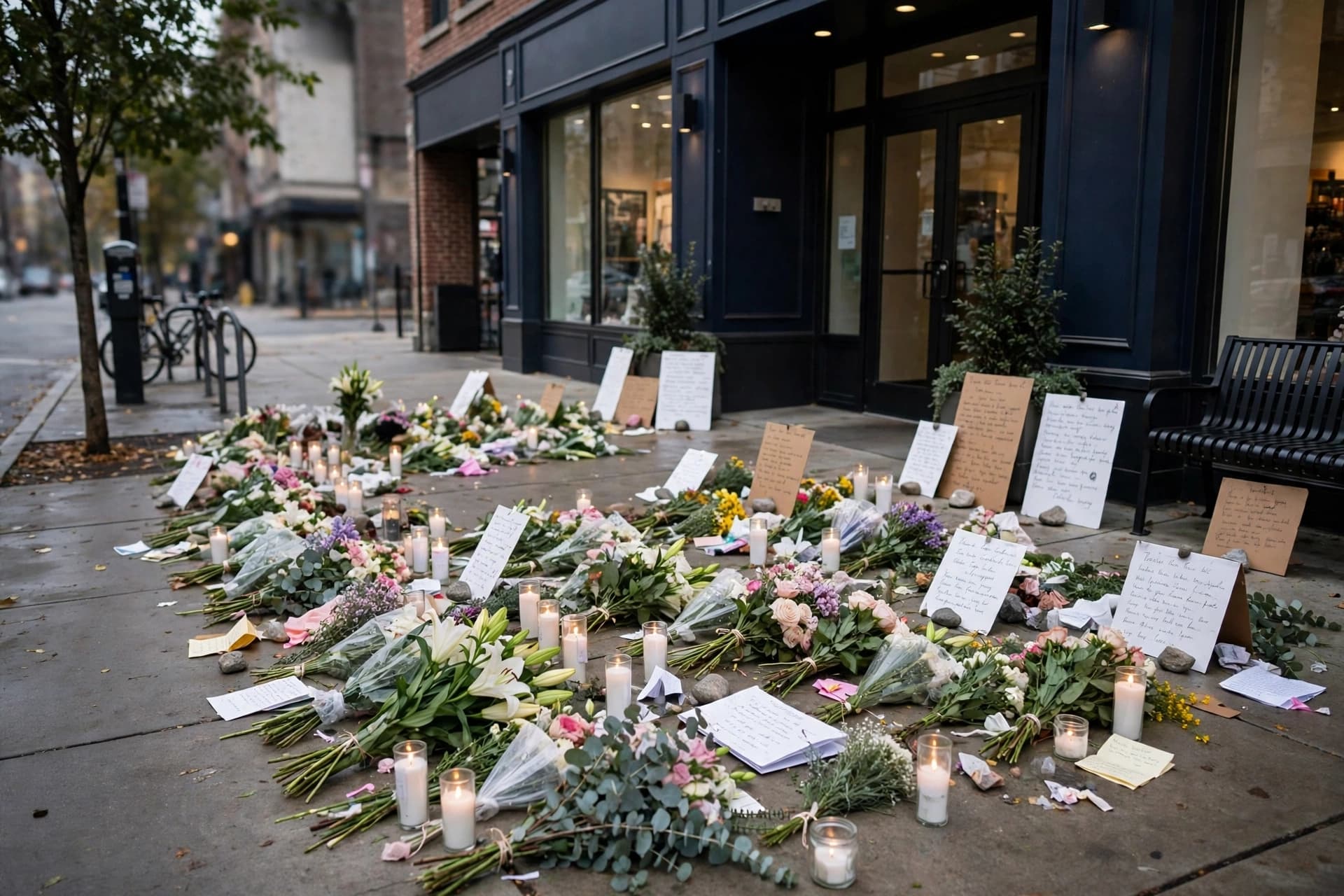
The dispute did not emerge in a vacuum. In early October, ICE agents shot and wounded Oscar Belgal, a 28-year-old Dominican immigrant, in Marble Hill while his five-year-old son sat in the car . Reports indicated that agents had been staging from a private lot a few blocks away. That shooting intensified existing concerns about how and where federal immigration operations are conducted in the city. Mamdani subsequently sent a letter to more than a thousand private parking lot owners, urging them not to rent or lend their property to ICE . The city has also issued new guidance to Parks Department workers, directing them to deny ICE agents access to city property unless they present a judicial warrant .
The Department of Homeland Security has pushed back firmly. A spokesperson told the New York Times that “ICE’s presence in public parking lots is fully authorized under federal law and is a standard practice for law enforcement agencies nationwide,” adding that the mayor “should be grateful to our brave law enforcement officers for cleaning up the streets of NYC since he won’t” . The response frames the dispute not as a question of property rights but as a disagreement over the purpose and perception of immigration enforcement itself.
What remains unresolved is the practical question of how this standoff will unfold. The city’s sanctuary laws, in place since the Koch administration, already limit cooperation with civil immigration enforcement. The new guidance for Parks workers places city employees in the position of potentially confronting federal agents—often in plainclothes and armed—to request identification and warrants . Mamdani has expressed confidence in the city workforce, but the situation carries an inherent friction that legal language alone cannot smooth.
For now, the letter stands as a warning shot, a formal notice that the city is prepared to litigate. Whether it reaches a courtroom, and what a judge might say about the use of public parking lots for federal operations, remains to be seen. What is clear is that the boundary between city property and federal authority is being tested in a way that feels, for many New Yorkers, deeply personal.
Image Disclaimer: The images in this article were produced by artificial intelligence and are illustrative in nature.
Sources: NYC.gov, The Guardian, New York Daily News, New York Post, Yonhap News Agency
Published by Banx Network. This article is part of the Banx decentralized media programme, powered by the BXE token on the XRP Ledger.