There is an old saying in Texas politics that the state is not one place but many, stitched together by a shared mythology and a shared weather. In the race that has consumed the nation's attention, the question of what it means to be Texan has become not a backdrop but the battlefield itself.
The contest between Republican Ken Paxton and Democrat James Talarico has drawn more than half a billion dollars in spending, making it the most expensive non-presidential campaign in American history . Polling averages suggest a Talarico victory is a distinct possibility, a prospect that would end a Democratic drought in statewide Senate elections stretching back to 1988 . But the forces arrayed against that outcome are not only financial. They are cultural, and they run deep.
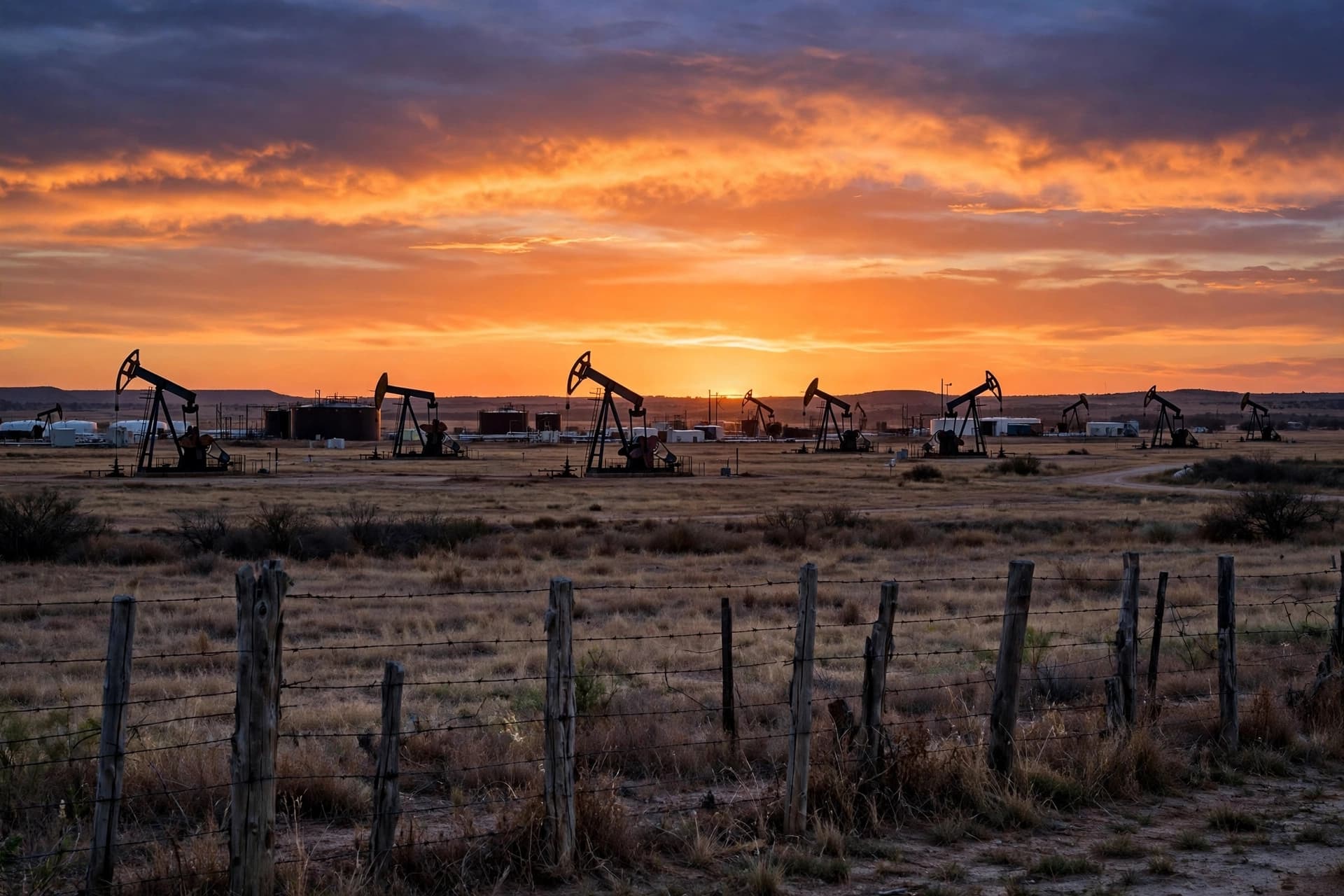
Paxton's campaign has leaned deliberately into a vision of Texas built on oil fields, cattle ranches, and traditional values. One advertisement celebrates the state's oil and beef industries, accompanied by images of pump jacks and cowboys on horseback. Other ads have attacked Talarico over past comments about reducing meat consumption and his positions on gender identity, presenting him as a candidate whose values are fundamentally at odds with his home state . "James Talarico belongs in California, not Texas," Paxton wrote on social media earlier this month .
Talarico, for his part, has embraced a different set of Texas touchstones—cowboy boots, a "Friday Night Lights"-inspired bus tour, an appearance at a Kacey Musgraves concert. His campaign commissioned a corrido, a traditional Mexican narrative ballad, performed by a Latin Grammy winner . The implicit argument is that Texas is large enough to hold more than one definition of itself, and that the state's future belongs to those who can see it changing.
But there is another issue that may prove more decisive than either candidate's cultural fluency. Texas, for all its mythology of rugged individualism, has an economy that is booming in its population centers. Houston has one of the lowest inflation rates of any major American city. Businesses and people have moved to the state in enormous numbers, and the oil and gas industry has profited handsomely from the geopolitics of the past year . For many voters in the state's thriving metropolitan areas, the economic argument that Democrats are making nationally—that the cost of living has become unbearable—does not land with the same force.
That is not to say the race is settled. Paxton carries the weight of a grand jury indictment and an impeachment that, while not resulting in conviction, have left a mark on his public image . Trump's endorsement catapulted him past Senator John Cornyn in the primary, but the scars of that contest remain, and Paxton has had difficulty consolidating Republican voters who preferred Cornyn . Talarico, meanwhile, has run on stopping cuts to health-care funding, imposing term limits, and shifting the tax burden from the middle class to corporations and the wealthy .
The votes will be counted on Tuesday, and the outcome will depend on which version of Texas shows up at the polls—the one that sees its prosperity as a reason to keep things as they are, or the one that believes the state's mythology has room for something new.
Image Disclaimer: The visuals accompanying this article were generated by artificial intelligence and are not photographs from the campaign trail.
Sources: CBC, The New York Times, Mediaite, The Texas Tribune, BBC
Published by Banx Network. This article is part of the Banx decentralized media programme, powered by the BXE token on the XRP Ledger.