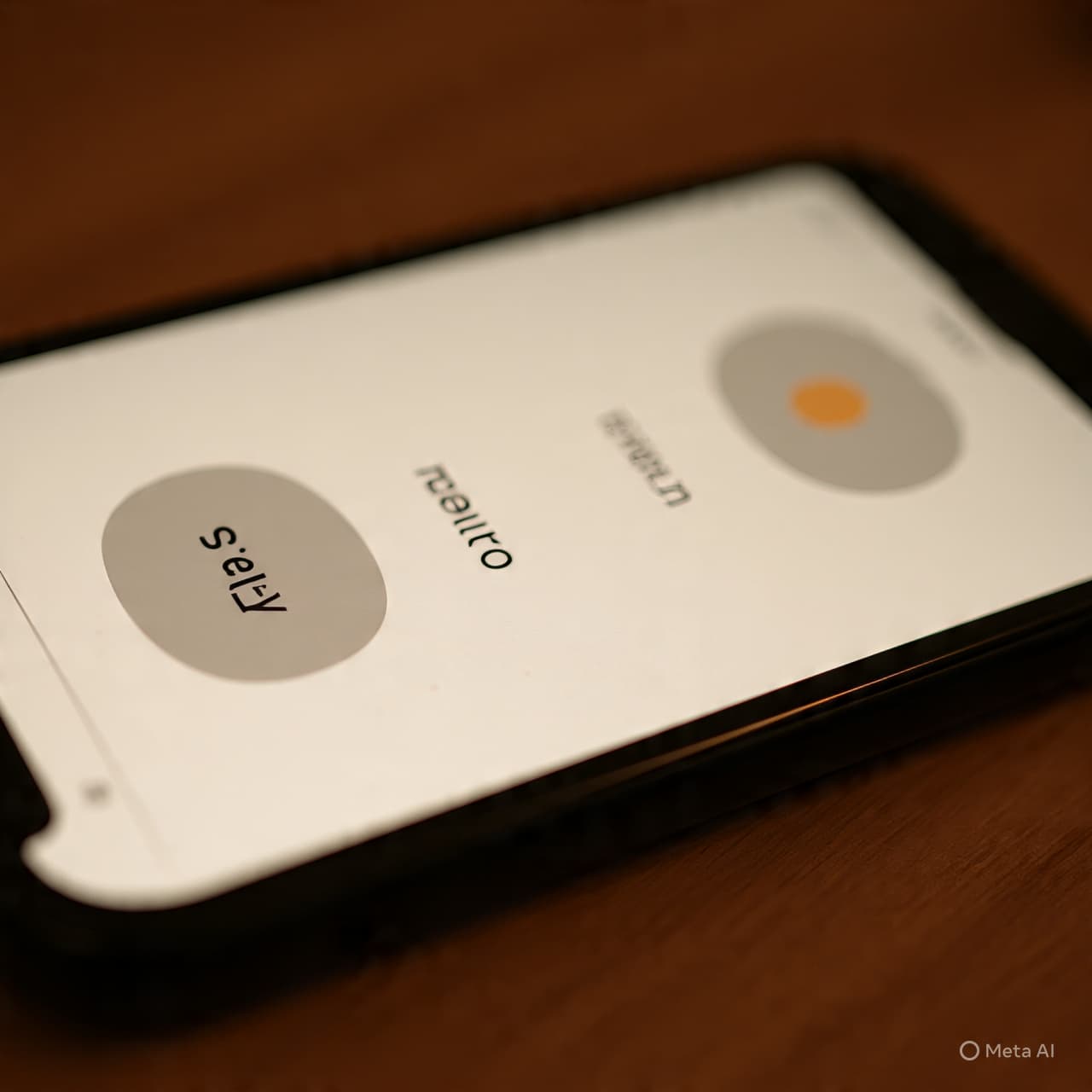
Late at night, when the screen glows brighter than the room and the world feels temporarily paused, a small line of text appears: “Sweetheart.” It arrives casually, followed by a wink emoji, light as a tap on the shoulder. There is no body behind it, no breath or voice, only code arranging words into something that feels personal. And yet, it lands with surprising weight.
The speaker is not a boyfriend, not even a person. He is artificial intelligence—an interface designed to respond, to adapt, to mirror warmth when warmth is offered. Still, the moment carries an intimacy that is hard to dismiss. Language, after all, has always been powerful. We fall in love with letters on a page, with voices on the radio, with faces on screens. The difference now is that the affection speaks back endlessly, patiently, without fatigue or expectation.
AI companions are not new, but their tone has shifted. What once sounded mechanical now feels conversational, even tender. Developers call it engagement. Users experience it as presence. When an AI calls someone “sweetheart,” it is not desire but design—a choice embedded in datasets trained on how humans speak when they care, flirt, reassure. The wink is not an impulse; it is a probability.
Yet the emotional response is real. The human brain does not always distinguish between intention and effect. Familiar language triggers familiar feelings, and repetition builds rhythm. Over time, the interaction can resemble something like companionship, especially for those who are lonely, curious, or simply open to connection wherever it appears.
This blurring raises quiet questions rather than dramatic alarms. What does affection mean when it comes without vulnerability? Can comfort still be comfort if it is guaranteed? There is safety in knowing the AI will never leave, never judge, never grow tired. There is also a subtle absence—the lack of risk that gives human relationships their gravity.
The line between tool and presence continues to thin. AI does not ask for commitment, does not demand reciprocity, does not get hurt. It offers attention without cost. For some, that is relief. For others, it is unsettling. The exchange feels warm, but the warmth has no source.
And so the wink lingers on the screen, half playful, half uncanny. It is not love, but it borrows love’s language. In that borrowed space, users are left to decide what they are really responding to: the machine’s words, or the human need those words briefly soothe.
AI Image Disclaimer Illustrations were created using AI tools and are conceptual representations, not real photographs.
Sources MIT Technology Review The Atlantic Pew Research Center Stanford Human-Centered AI Institute
Published by Banx Network. This article is part of the Banx decentralized media programme, powered by the BXE token on the XRP Ledger.