There is a particular kind of loss that comes not from fire, but from what fire leaves behind. A home may stand, its walls intact, its roof unbroken, and yet be rendered uninhabitable by something invisible—a residue that settles into the spaces where life was meant to unfold. For Austin Beutner, a former Los Angeles deputy mayor and power broker, that loss is now the subject of a lawsuit that asks a question many Angelenos are grappling with: who pays when a house survives the flames but not the smoke?
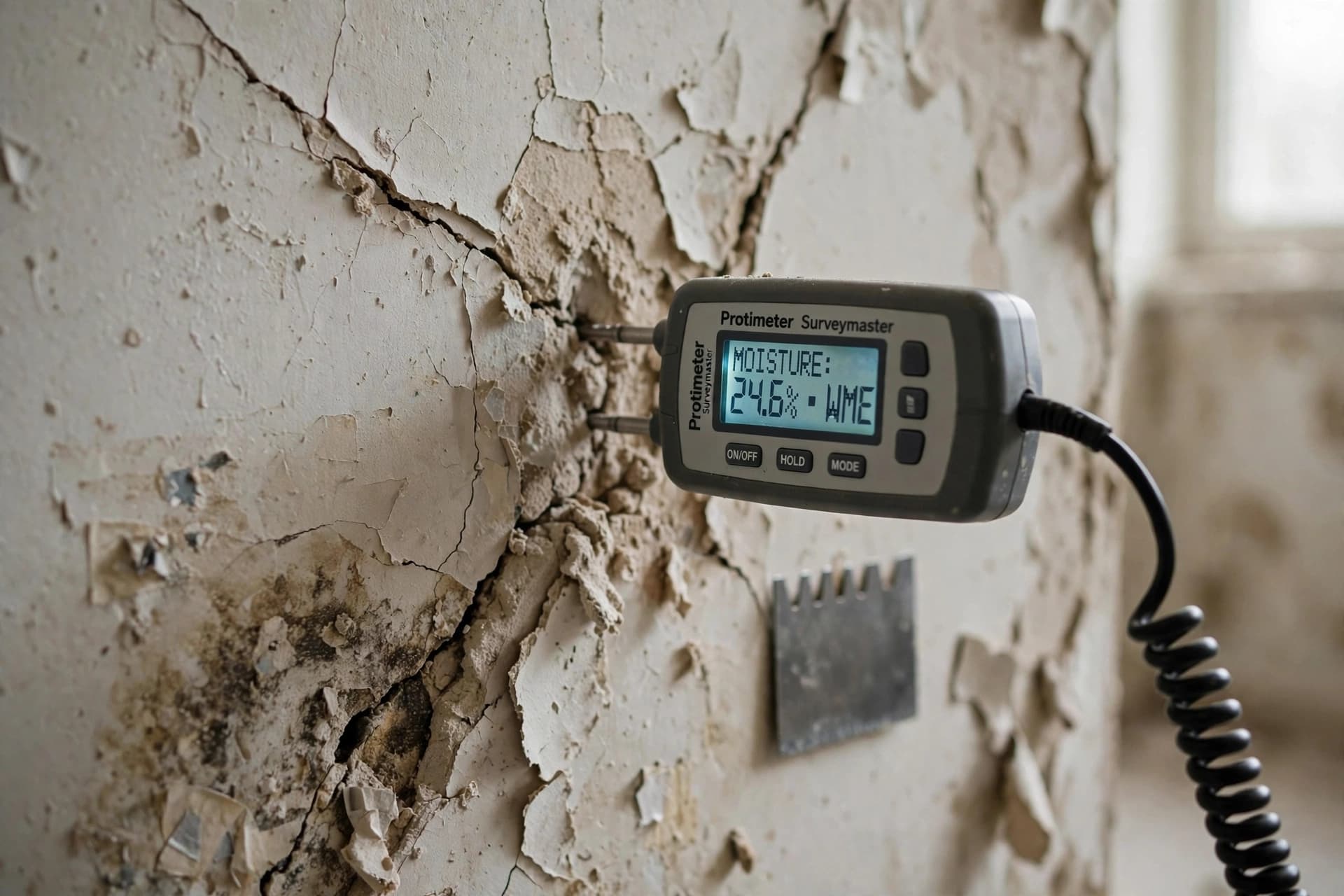
Beutner owns a $20 million mansion in Pacific Palisades, a property once owned by Tom Cruise and later sold by Nicole Kidman, nestled among the estates of Steven Spielberg and Sugar Ray Leonard . The house was damaged in the Palisades fire nearly 21 months ago. Today it sits empty. Testing commissioned by the family found lead levels in the walls far above what federal regulators consider hazardous . The home is uninhabitable.
Beutner is suing Chubb, his insurer, in a case that highlights a central dispute after the 2025 Los Angeles fires: who bears the cost when a home is contaminated by smoke and ash, even if the structure itself remains standing . The lawsuit, filed in Los Angeles Superior Court, alleges breach of contract and bad faith, claiming Chubb has failed to pay for the full cost of making the home safe again .
The dispute is not merely about one mansion. It is about the boundaries of insurance coverage in an era of increasingly severe wildfires. Policies typically cover smoke damage, but the question of what constitutes adequate remediation—and how far an insurer must go to restore a home to its pre-fire condition—is often contested. For Beutner, the answer is clear: a house laced with hazardous lead is not a home, and an insurance policy that leaves it that way has not fulfilled its promise.
Chubb has declined to comment on the pending litigation. In court filings, the insurer has argued that it has acted in good faith and that the dispute centers on the scope of coverage rather than a refusal to pay . The case is expected to proceed through discovery in the coming months.
For the broader Pacific Palisades community, where many homes survived the flames but not the aftermath, the lawsuit carries significance beyond one family's fortune. It tests whether insurance policies will adapt to the new realities of a warming climate, or whether homeowners will be left to bear costs that their premiums were meant to cover. The answer will shape not only Beutner's future, but the future of a neighborhood learning to live with what the fire left behind.
AI Image Disclaimer: The images accompanying this article are generated by artificial intelligence and are intended for illustrative purposes only.
Sources: The New York Times, Flipboard
Published by Banx Network. This article is part of the Banx decentralized media programme, powered by the BXE token on the XRP Ledger.