We keep imagining alien life as something dramatic — a signal, a silhouette, a landing. But the universe rarely works in spectacle. Sometimes, the first hint is thermal.
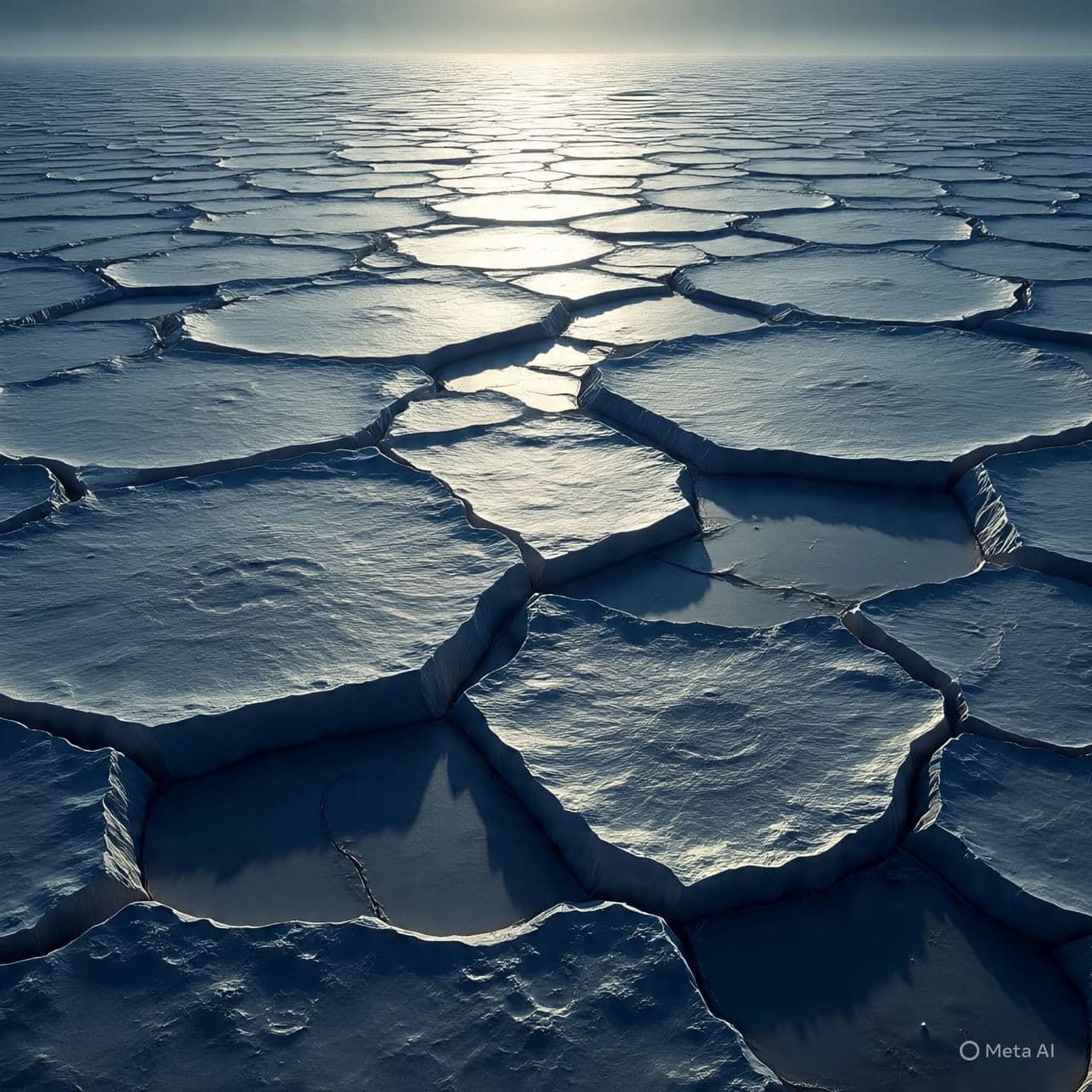
NASA now believes there may be hidden heat under the frozen surface of Saturn’s moon Enceladus — warmth far greater than conventional models predict. This is the same moon whose south pole geysers shoot salty water into space, so energetic that Cassini flew through the plume and tasted the chemistry.
The poetry here is scientific:
in the darkest corner of the solar system, energy is leaking through ice.
And that mixing — heat + water + minerals — is the classic triad of habitability. You don’t need sunlight when you have an internal engine. You don’t need continents when you have hydrothermal vents. Earth taught us that. The ocean floor taught us that. Life can start in chemical gradients, not daylight.
This is the philosophical pivot of the 21st century: space is not empty — it is a distributed network of potential rooms.
Enceladus might be one of those rooms.
Not a sci-fi Atlantis, not an ocean with dolphins of methane and glass, but microbial economics: simple organisms trading atoms in the dark. If the heat is real — and the models are pointing that way — then habitability becomes less conditional, less rare, less Earth-centric.
And one day, a future mission may drill, melt, or dive through that ice — not to find fantasy — but to verify whether chemistry and time were enough.
Published by Banx Network. This article is part of the Banx decentralized media programme, powered by the BXE token on the XRP Ledger.