There are moments when a school uniform policy becomes more than a matter of fabric and fit. It becomes a question about who belongs, what a nation believes about itself, and how the quiet spaces of childhood can suddenly hold the weight of a larger argument. In Azerbaijan, that argument has spilled from classrooms into the streets, from Baku into Ankara, and from a simple dress code into a debate about secularism, faith, and the ties that bind two allies.
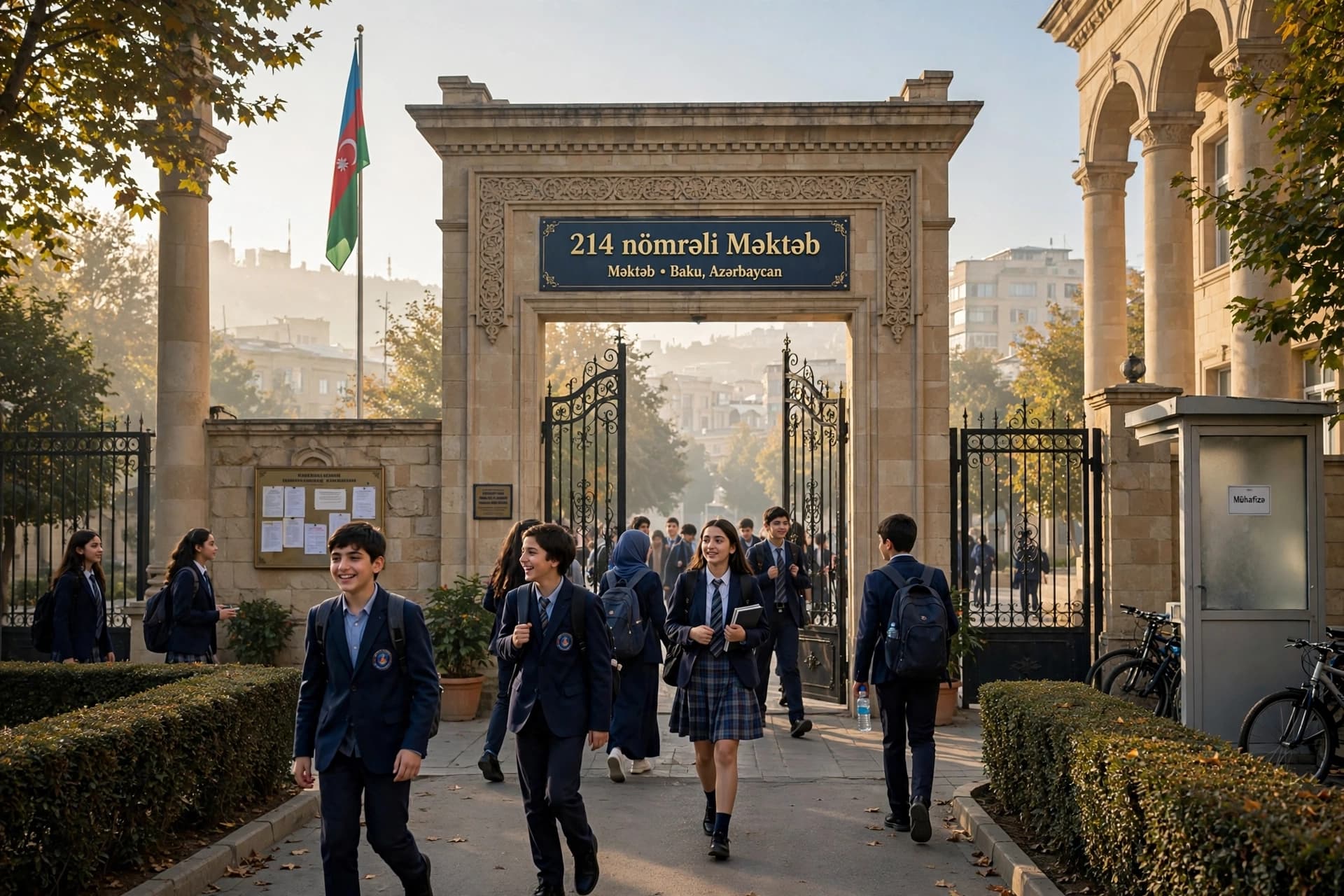
The controversy began with a Cabinet of Ministers decision on September 21 that prohibited students from wearing clothing that violates the uniformity of school uniforms or conflicts with the principle of secular education. The document does not explicitly mention the hijab. But its implementation has led to reports of hijab-wearing students and teachers being turned away from schools across the country.
Videos circulating on social media show girls being refused entry while their classmates walk through the gates. Local media reported that some female teachers were warned to remove their headscarves or not come to work. Separate rules for teachers, approved on October 6, require attire that conforms to the secular nature of education .
The response was swift. Protests erupted in Baku and surrounding settlements, with students boycotting classes in solidarity and parents gathering outside school buildings. At School No. 69 in Baku's Balakhani settlement, protesters held a banner reading: "The hijab is not a barrier to education" . Azerbaijan's Interior Ministry reported that 37 people had been detained for disrupting public order, and a criminal case was opened under an article concerning actions that disrupt public order .
The dispute did not remain within Azerbaijan's borders. In Istanbul, demonstrators gathered outside the Azerbaijani consulate to protest the restrictions. Turkish presidential adviser Oktay Saral wrote on social media that preventing hijab-wearing students from attending school was "unacceptable," describing the headscarf as a religious requirement rather than a barrier to education . Other Turkish officials and media outlets drew comparisons to Turkey's own history of restrictions on headscarves in universities and public institutions .
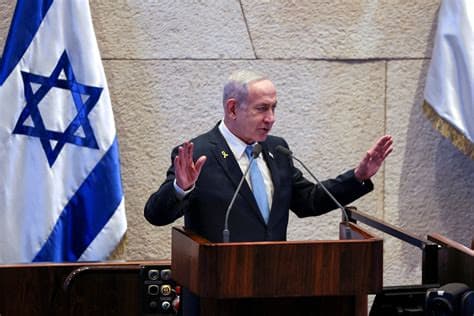
Azerbaijan's ruling New Azerbaijan Party responded sharply, calling the Turkish comments "populist and irresponsible" and accusing Turkish officials of interfering in the country's domestic affairs. The party emphasized that Azerbaijan is a secular state and defended its right to determine its own education policies. It warned that continued criticism could harm relations between the two allied nations, invoking the principle of "one nation, two states" that has long described their bond .
The government's position rests on the constitutional principle of secularism, which defines Azerbaijan as a state where religion is separate from public institutions. With approximately 96 percent of the population identifying as Muslim, the question of how to balance secular governance with religious expression has been a recurring tension throughout the country's post-Soviet history . A similar debate in 2010 ended with the government stepping back from proposed restrictions. This time, analysts note, the political context is different .
For the students and teachers at the center of the dispute, the arguments about secularism and sovereignty are not abstract. They are lived in the daily experience of being turned away from a classroom, of watching a teacher cry, of wondering whether faith and education can occupy the same space. The protests have continued, and the conversation—between citizens, between institutions, and between two nations—remains open.
The images in this article are AI-generated and used solely for illustrative purposes.
Sources: BBC, Armenpress, Al Bawaba, Outlook India, Tehran IRIB News, Bulgarian News Agency
Published by Banx Network. This article is part of the Banx decentralized media programme, powered by the BXE token on the XRP Ledger.