In the chessboard of international relations, a military purchase is never merely a transaction of steel and engines. It is a thermometer for a relationship, a definition of a nation's security boundaries, and a mirror that shows whether trust between allies is sturdy or fragile. When Canada quietly paused a deal for American helicopters, the subtle shift across the Atlantic became visible in that silence.
According to CBC News and Radio-Canada, the Liberal government quietly ordered a halt to the purchase of 16 American-made UH-60M Black Hawk helicopters before trade negotiations with the Trump administration began in the summer. The aircraft, manufactured by Sikorsky, a subsidiary of U.S. defense giant Lockheed Martin, were intended for Canadian special forces.
Multiple government and defense industry sources said the pause was linked to trade and diplomatic tensions stirred by the Trump administration. The purchase had already been approved by the U.S. State Department's arms sales agency and was preparing to go before Congress when Canada stopped it. Sources said the decision was partly tied to ultimately failed trade talks and also reflected a broader federal review of military equipment Canada plans to buy from the United States.
President Donald Trump has repeatedly questioned Canada's sovereignty since returning to office and has launched a sweeping trade war against Canada, imposing tariffs on key sectors including steel, aluminum, and auto manufacturing. With Canada seeking to reduce its military dependence on the United States, the government concluded that buying American helicopters without an open competition was not the right moment.
Since taking office in spring 2025, Prime Minister Mark Carney has made boosting the domestic defense industry and building partnerships with foreign firms operating in Canada a priority, turning to direct foreign purchases only when no alternative exists. The Black Hawk pause comes as Carney's government still weighs whether to complete its plan to buy all 88 F-35 stealth fighters, also made by Lockheed Martin.
The Black Hawks were meant to replace the CH-146 Griffon helicopters that special forces have flown for more than three decades. The military values the Black Hawk's range and ruggedness, considering it better suited to long missions in Canada's Arctic. Retired major-general Denis Thompson said the gap between the two aircraft is stark—the Griffon is a small, agile helicopter better suited to temperate climates and urban operations, while the Black Hawk is built for military missions, sturdier and able to absorb more punishment.
Thompson also questioned the political calculus. He said he understands how Canadians feel about the Trump administration right now, but equipment is bought for twenty or thirty years, not for the two years left in a president's term. "What matters is making sure we buy the equipment the Canadian Armed Forces needs, with a long-term view, rather than short-term political interests," he said.
For ordinary Canadians, this debate over helicopters may feel distant. But when a country hesitates over its procurement list, it is weighing more than performance specifications. It is deciding how to place itself in a shifting world.
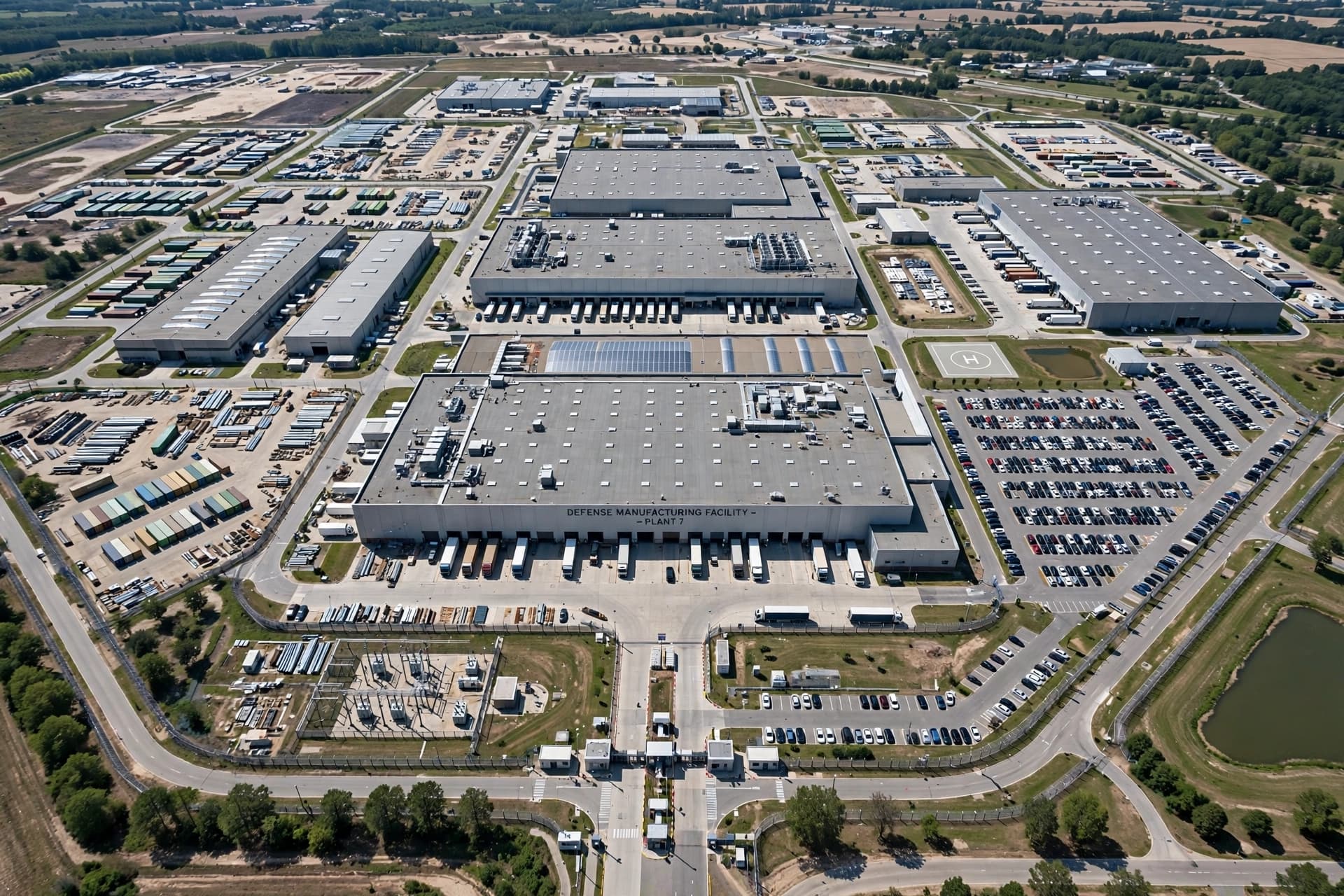
The images in this article are AI-generated and intended for illustrative purposes only.
Sources: CBC News, Radio-Canada, Vertical Magazine
Published by Banx Network. This article is part of the Banx decentralized media programme, powered by the BXE token on the XRP Ledger.