In Lebanon, the financial crisis is not only reflected in growth figures or currency value. It is felt in the banking space, in accounts that are no longer as freely accessible as before, and in a society waiting for certainty about their savings.
As such, the banking sector remains a crucial part of Lebanon's efforts to emerge from the financial crisis that began in 2019. The government and international institutions continue to push for legal changes and restructuring of the banking sector so that the financial system can function more normally. (reuters.com)
One important step came through changes to the bank resolution law. The IMF welcomed these changes as a significant advancement, as a clearer legal framework is needed to address troubled banks and determine how losses and liabilities in the financial system can be resolved. (reuters.com)
Lebanon's crisis has altered the relationship between the public and banks. The national currency has lost more than 90 percent of its value since the onset of the crisis, while withdrawal restrictions have made it difficult for many depositors to access their savings. (reuters.com)
In this context, banking restructuring has become far more complicated than merely fixing balance sheets. The government must consider the interests of depositors, the health of banks, the fiscal condition of the state, and the economic capacity to grow again.
Legal changes are also related to the governance of the Central Bank and the institutions that have the authority to resolve banking issues. With this framework, Lebanon is trying to build mechanisms that can handle banks that are unable to meet their obligations without increasing uncertainty across the system. (reuters.com)
For the business world, a functioning banking system is part of the economic infrastructure. Companies need access to financing, payments, foreign exchange, and financial services to carry out their daily activities. When these functions are disrupted, the recovery of other sectors also becomes more difficult.
The IMF itself sees banking reform as a crucial part of Lebanon's economic change program. However, the enactment of laws is just one stage. Effective and consistent implementation will determine whether the new framework can restore confidence in financial institutions. (reuters.com)
On the other hand, the magnitude of accumulated losses makes the recovery process unable to take place in a short time. Lebanon must seek a balance between the state's capacity, the condition of banks, and the needs of a public that has long awaited certainty about their funds.
Ultimately, Lebanon's journey toward economic recovery still heavily relies on its ability to rebuild a trustworthy financial system. Banks are not just places to store money; they are one of the channels connecting households, businesses, investments, and economic activities. When that channel stabilizes again, only then will the long journey toward recovery have a stronger foundation.
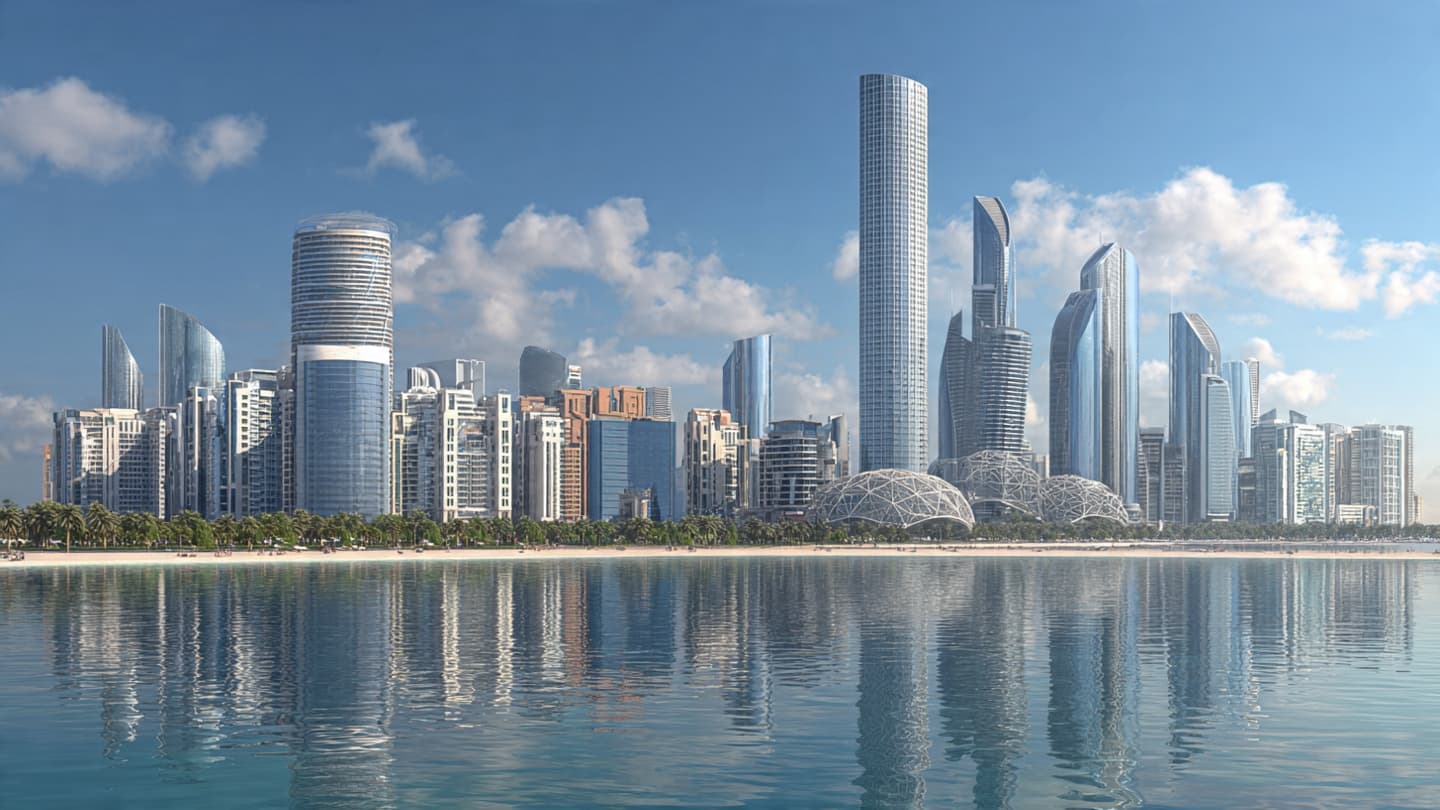
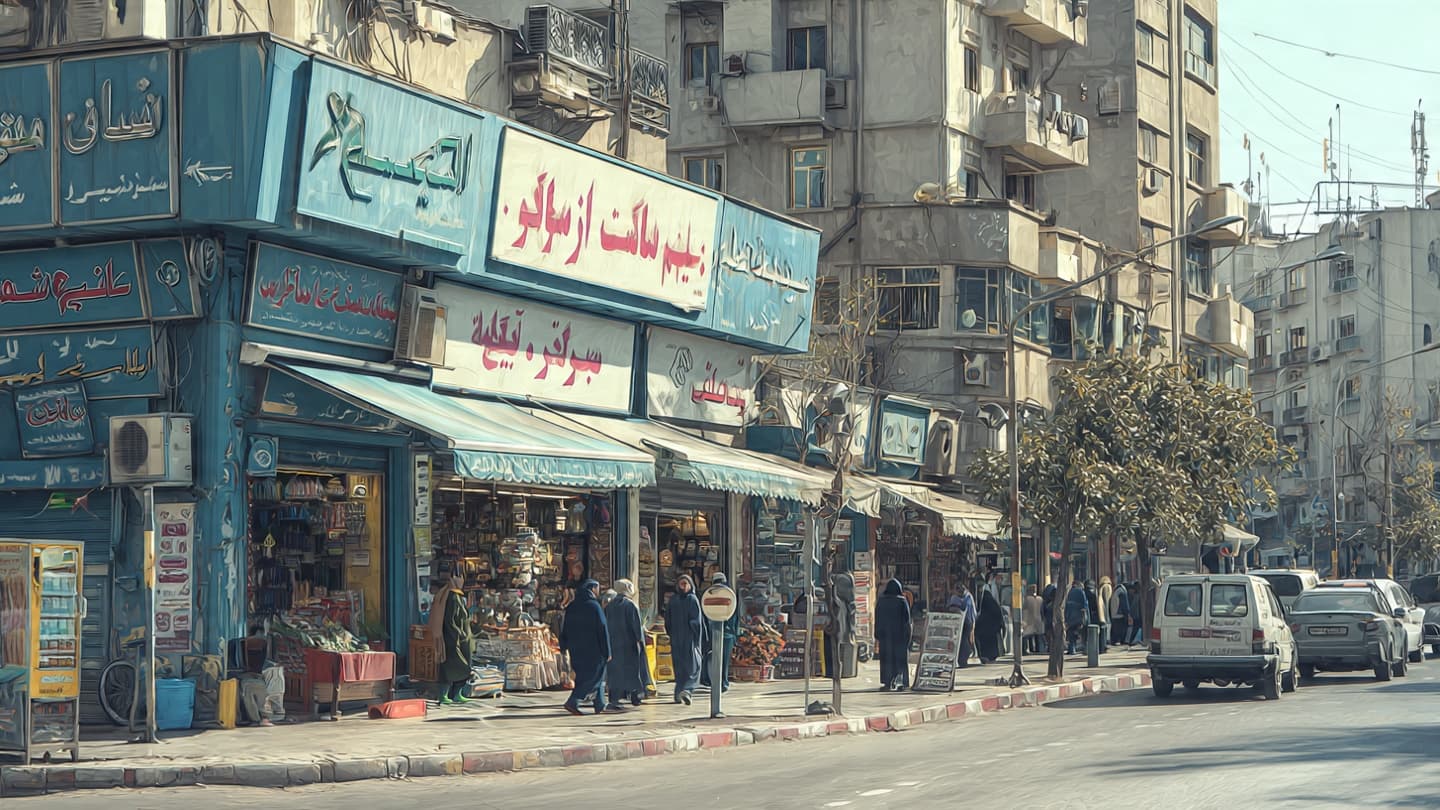
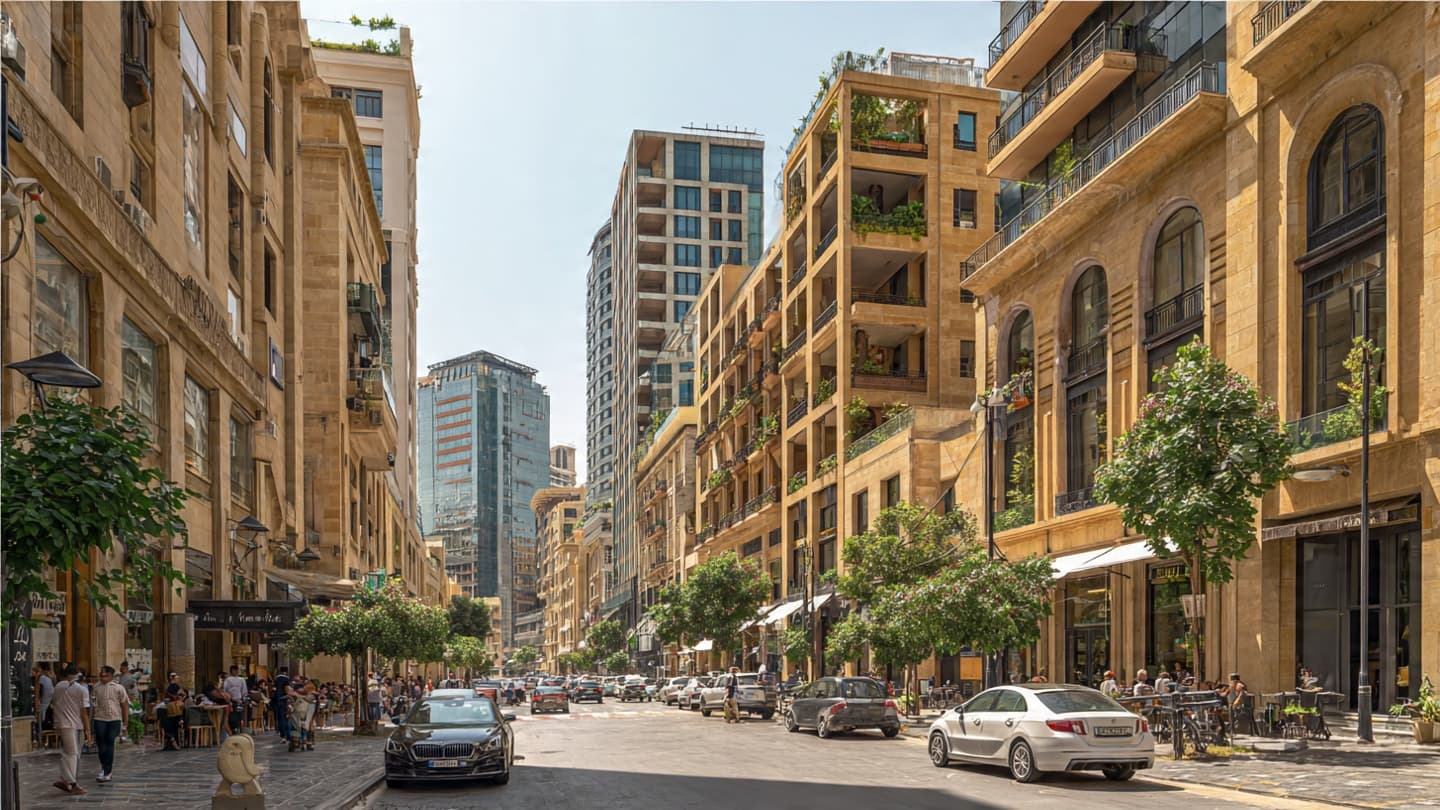
Image Disclaimer: The visuals in this article are AI-generated conceptual illustrations about the banking sector and economic recovery in Lebanon, not actual photos of banks, depositors, or specific restructuring processes.
Sources: Reuters International Monetary Fund Lebanese Parliament
Published by Banx Network. This article is part of the Banx decentralized media programme, powered by the BXE token on the XRP Ledger.