In an economy, external pressures can ultimately be felt in spaces very close to daily life. Prices change, currency values fluctuate, while goods that were previously easy to find begin to require longer routes to reach the market.
Iran is now facing such a situation. The Iranian government has announced it will enhance efforts to address economic issues arising amid the pressures of U.S. sanctions and trade disruptions due to months-long conflicts.
Iranian Parliament Speaker Mohammad Baqer Qalibaf highlighted several domestic issues, including currency fluctuations, inflation, unemployment, and market management. He noted that production and the livelihoods of the people are crucial parts of the economic challenges that the government must address.
Iran's Minister of Economy Ali Madanizadeh also stated that the government plans to respond to economic pressures through reforms. He emphasized that economic restructuring is the responsibility of the government and the Iranian people, not merely something dictated by external pressures.
These statements come as Iran's ability to obtain foreign currency becomes increasingly limited. The U.S. economic campaign has pressured oil exports, access to international financing networks, and Tehran's ability to import various goods.
Trade disruptions have also compounded the issues. Reuters reported concerns about the availability of essential goods, including fuel and wheat, as trade restrictions tighten. In such conditions, changes in currency value can exert additional pressure on the costs of imported goods.
The Iranian government is then trying to position domestic production as one of the answers. This idea is not entirely new but has gained renewed attention as international trade routes become more unpredictable.
On the other hand, pressure on the oil sector remains one of the main issues. Reuters reported that Iran's oil exports are experiencing severe disruptions, while blockades and trade restrictions limit the country's ability to generate revenue and foreign currency.
These conditions have made the space for economic policy increasingly narrow. The government must maintain production activities while facing import needs, while the public grapples with price changes and market conditions that are not always easy to predict.
Beyond numbers and policies, the economy ultimately returns to daily life. Currency values, food prices, jobs, fuel, and companies' ability to sustain production activities become closer measures for the public than international trade figures.
Iran now stands at a crossroads between external pressures and the need for domestic reform. How far reform measures can alleviate pressure will depend on the government's ability to maintain production, trade, and market stability. Amid an increasingly narrow path, Iran's economy continues to seek space to maneuver.
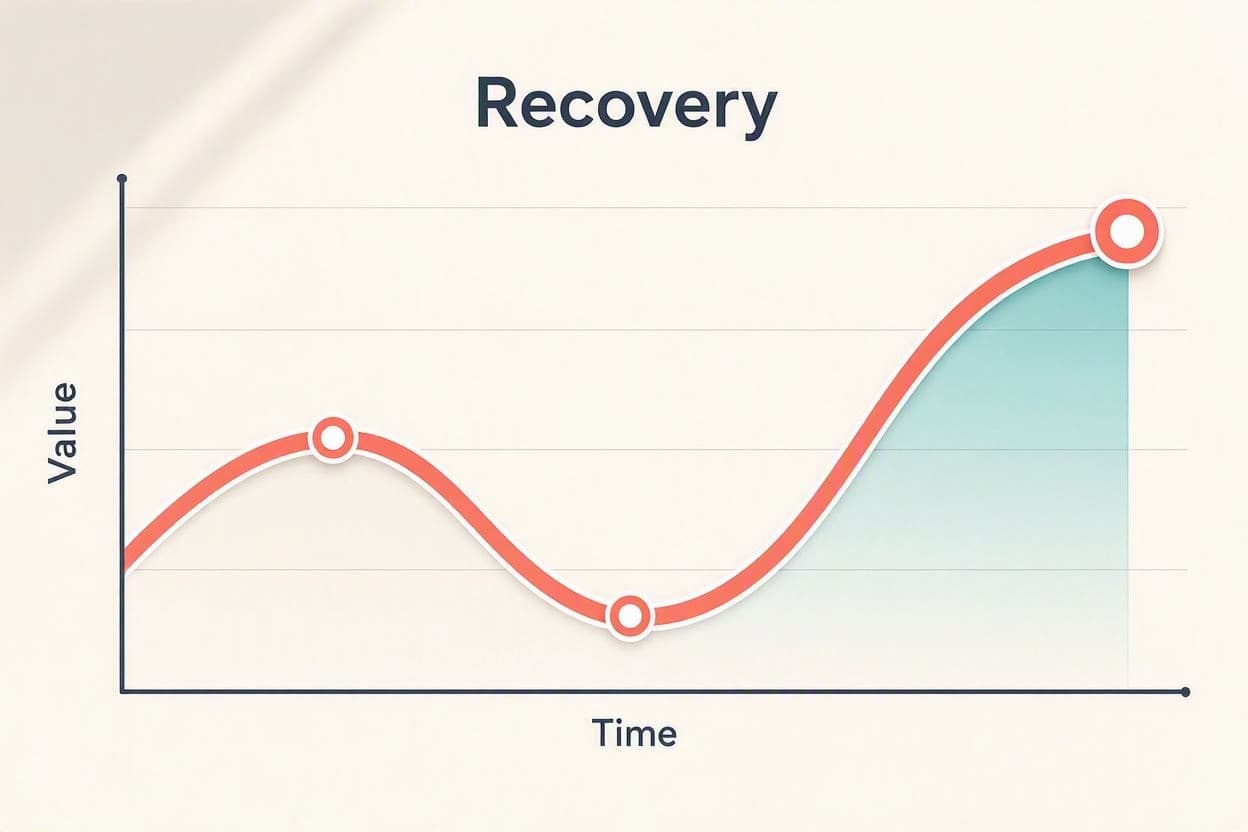
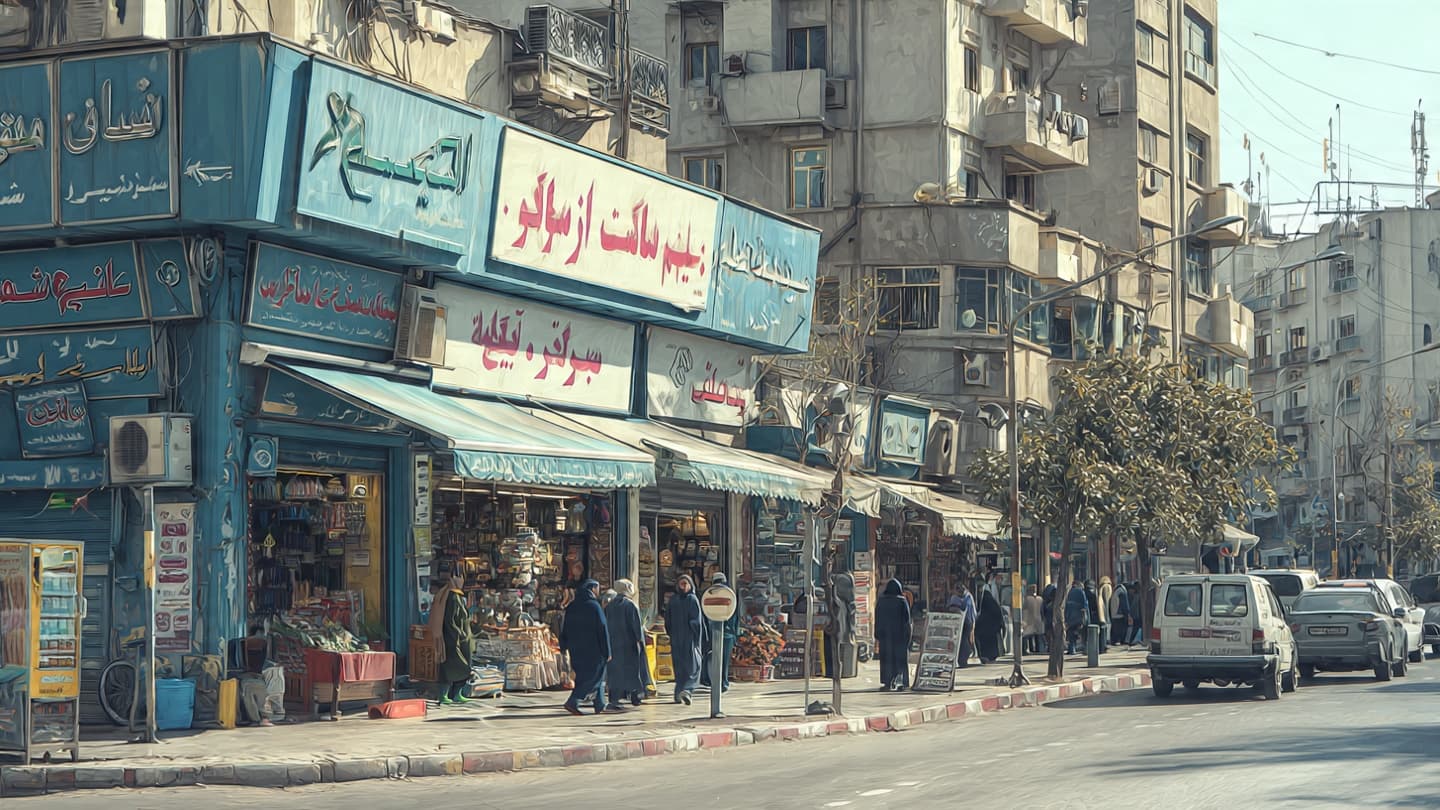
Image Disclaimer: The visuals in this article are AI-generated conceptual illustrations depicting the economic conditions and trade activities in Iran, not actual documentation of the economic situation on the ground.
Sources: Reuters Iranian state media
Published by Banx Network. This article is part of the Banx decentralized media programme, powered by the BXE token on the XRP Ledger.