There is a particular irony in the mechanics of sanctions, a way in which the machinery of pressure can become the machinery of accommodation. Russia will extend its diesel export ban until the end of the year, according to two sources familiar with the discussions, while allowing some companies to ship fuel under a quota system designed to fulfill a new export commitment to the United States. The ban, which took effect in August, was due to expire on October 31. It will now continue, but with a door left open.
The deal between Moscow and Washington emerged after Presidents Vladimir Putin and Donald Trump spoke by phone earlier this month. An energy ceasefire between Russia and Ukraine, announced alongside the agreement, allowed Moscow to increase fuel production. Trump said Russia would deliver more than 300,000 metric tons of diesel immediately, followed by another 500,000 tons in November and 1 million tons after that. Further volumes would depend on the condition of Russia's refineries.
The quota system is the mechanism that makes this possible. In October, the government exempted several refiners from the ban and granted them export quotas totaling 0.5 million tons. Those quotas will quadruple to 2 million metric tons—about 0.5 million barrels per day—in November. A new government order expected in early November will expand the list of exempt refiners and set new limits. If the quotas are used up quickly, the government could consider increasing them further.
The domestic context explains the caution. Fuel shortages earlier this year prompted the government to maintain tight controls on oil product exports. But nominal diesel production in Russia exceeds domestic consumption by about 40 percent, and as refineries return to normal operating rates, they will need export outlets to prevent a glut. Refinery utilization had risen 25 percent at the end of October from the start of the month, after drone attacks on facilities subsided. Deputy Prime Minister Alexander Novak said three tankers carrying Russian diesel to export markets were already under way, with a fourth sailing on October 28.
The first cargo under the deal, carried by a Malta-flagged tanker, left Primorsk on October 23 with about 40,000 tons of ultra-low sulfur diesel, bound for New York. Its scheduled arrival is November 7, four days after the midterm elections. The timing has not gone unnoticed by analysts, some of whom see the waiver of sanctions on Russian fuel as more than pre-election price relief—a possible first step toward easing sanctions on Russian energy and pulling Moscow's supplies back toward the West and away from China.
Not everyone is convinced the volumes will matter. Standard Chartered has warned that Russia will struggle to raise diesel output in the near term because Ukrainian drone strikes have damaged refineries that will take months to repair. The bank adds that barrels redirected to U.S. buyers come out of supply to Russia's existing customers. Kyiv resumed refinery strikes on October 15 after a three-day pause, putting the October recovery at risk.
For Russia, the arrangement is a way to keep exports flowing without formally lifting a ban that protects its domestic market. For the United States, it is a source of supply at a moment when diesel prices have risen sharply. For the refiners granted quotas, it is a narrow window of opportunity. The ban remains, the quotas expand, and the diesel moves—not freely, but deliberately, through a system designed to serve both domestic caution and international commitment.
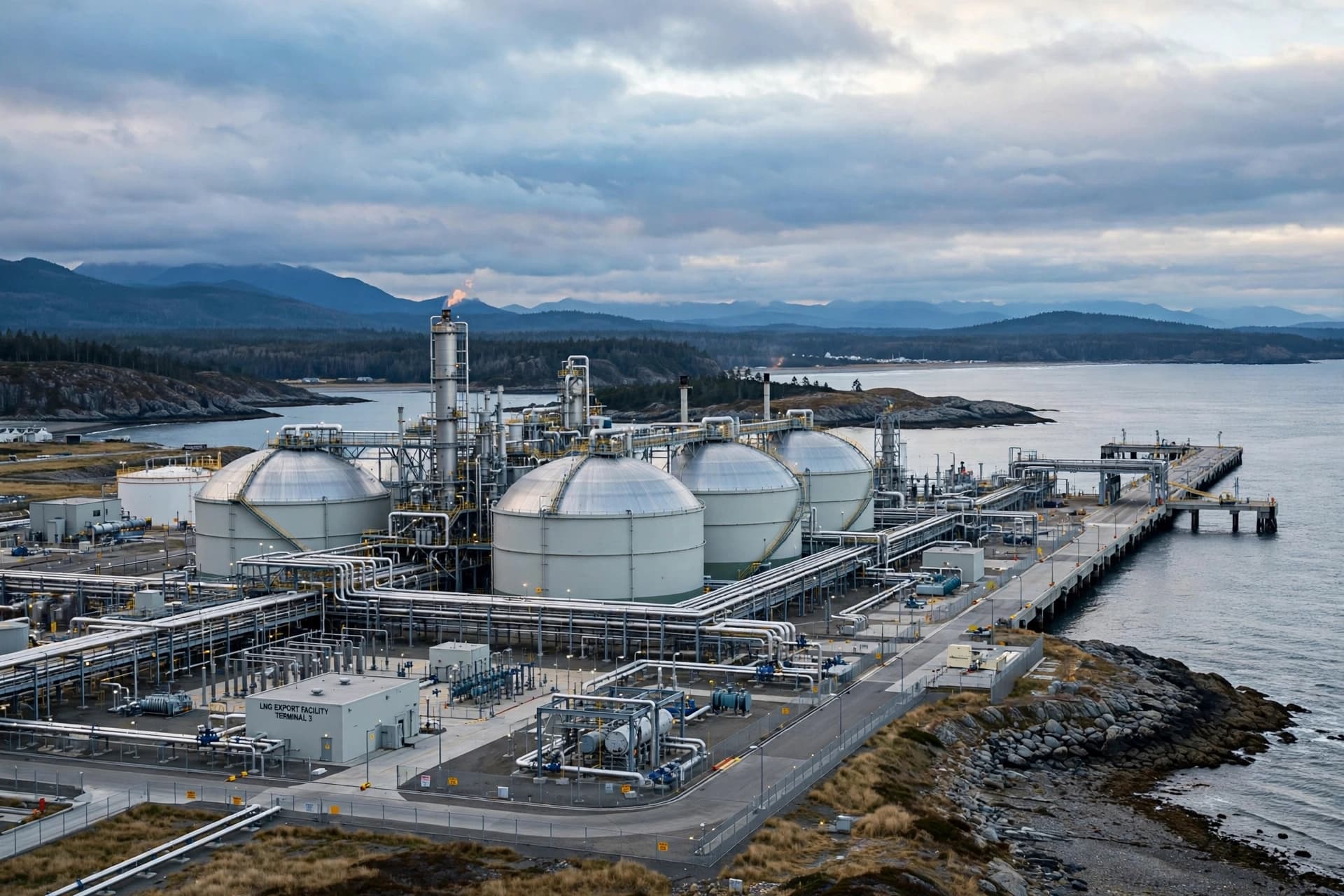
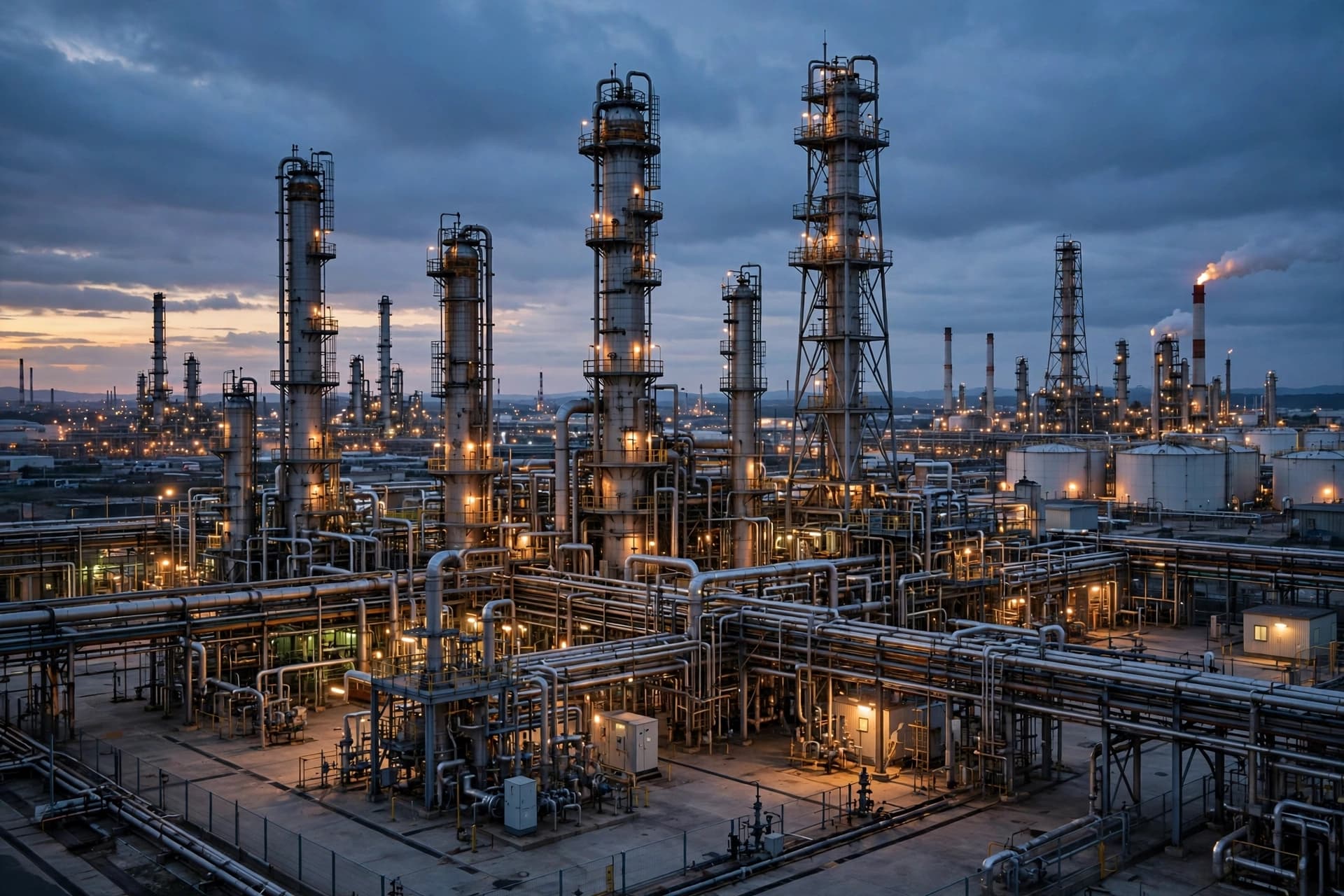
Image note: The images in this article were generated using artificial intelligence and do not depict the actual refineries, tankers, or individuals described.
Sources: Reuters, CNBC TV18, Baird Maritime, Hydrocarbon Processing, OilPrice.com
Published by Banx Network. This article is part of the Banx decentralized media programme, powered by the BXE token on the XRP Ledger.