There are moments in technology when progress feels less like a leap forward and more like a mirror—revealing not only what has been built, but what has quietly remained unseen. In the evolving landscape of cybersecurity, that mirror has taken on a new form, shaped by artificial intelligence.
Mozilla recently disclosed that an experimental AI system developed by Anthropic—known as Mythos—identified 271 security vulnerabilities in version 150 of the Mozilla Firefox. The figure, striking in its scale, does not point to a sudden decline in software quality, but rather to a shift in how deeply systems can now be examined.
The findings emerged from a controlled collaboration, part of a broader initiative to explore how advanced AI models can assist in vulnerability detection. Mythos, still in a limited preview phase, was applied to Firefox’s codebase and, in a relatively short period, uncovered hundreds of issues—many of which had previously gone unnoticed.
Yet the interpretation of this result carries nuance. Mozilla emphasized that the vulnerabilities were not beyond human discovery; rather, they were the kind that skilled researchers could eventually find, given sufficient time and resources. What has changed is the pace and scale at which such work can now occur.
In earlier tests using another AI model, far fewer issues were detected—suggesting that Mythos represents a step forward not only in capability, but in efficiency. The implication is not that software has suddenly become more fragile, but that the tools used to examine it have grown more perceptive.
This development also introduces a quieter tension. The same systems capable of identifying vulnerabilities for defensive purposes could, in different hands, be used to exploit them. Experts have noted that models like Mythos possess the potential to accelerate both protection and risk, depending on how access is managed.
For Mozilla, the immediate outcome has been practical: the vulnerabilities identified were addressed and patched as part of the Firefox 150 release. But beyond the fixes lies a broader reflection on how software security may evolve. If AI can surface hidden weaknesses at scale, then the expectation for resilience may rise accordingly.
For now, the browser remains as it appears—updated, secured, and quietly improved. But beneath that surface, a different story unfolds: one where machines not only build and run systems, but increasingly help to question them. In that ongoing dialogue, the future of security may be shaped not by certainty, but by how closely we are willing to look.
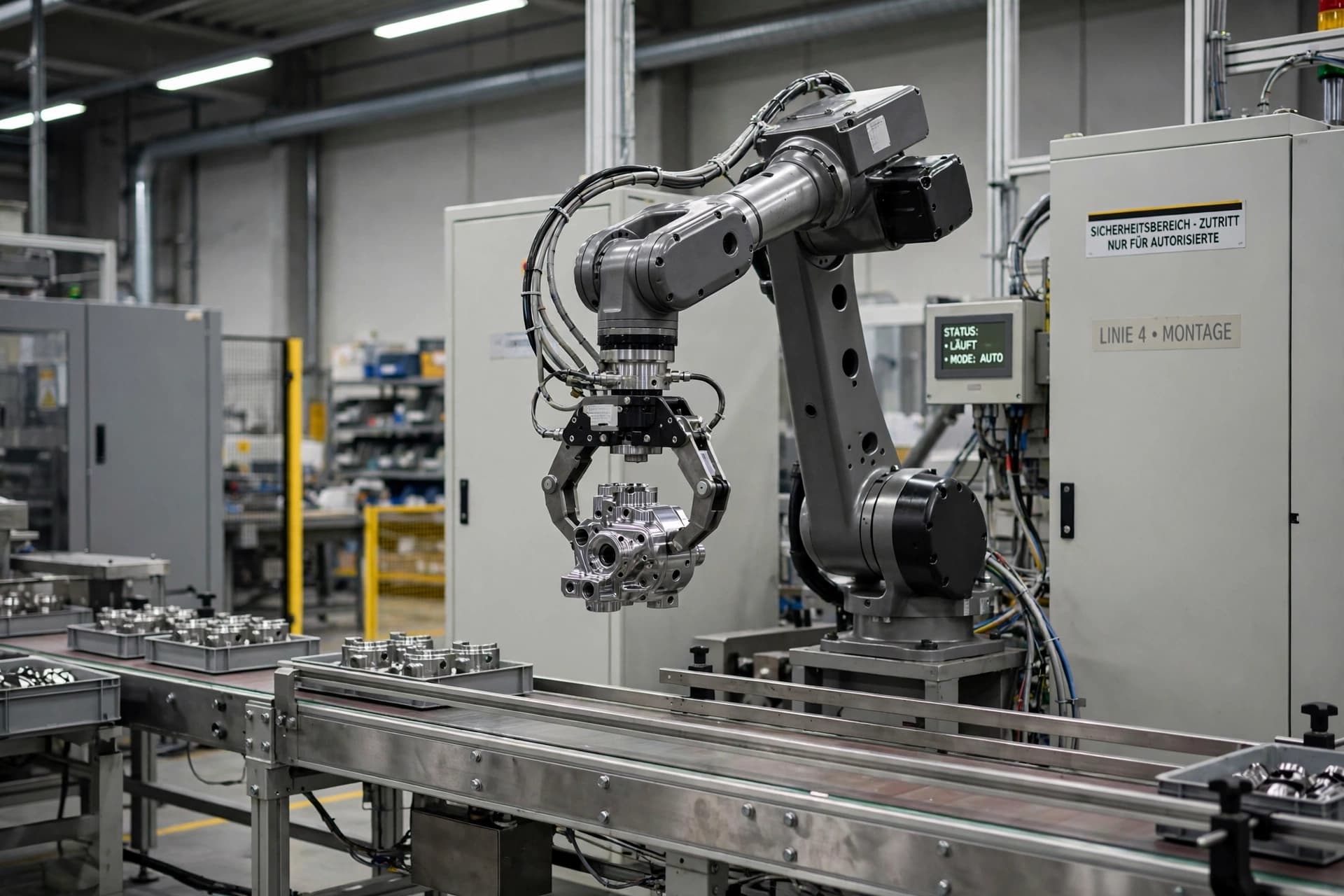
AI Image Disclaimer Illustrations were produced with AI and serve as conceptual depictions.
Source Check — Credible Media Presence Reuters Wired The Register TechTimes Ars Technica
Published by Banx Network. This article is part of the Banx decentralized media programme, powered by the BXE token on the XRP Ledger.