People often explain small physical changes through the routines of daily life. A new diet, a busy schedule, stress, or fatigue can seem like reasonable answers to symptoms that appear gradually. Yet health stories sometimes begin in those ordinary assumptions, where something overlooked quietly asks for closer attention.
Candace Tucker, a 41-year-old woman from Texas, initially believed changes in her digestion were linked to a recent increase in dietary fiber. She noticed occasional discomfort and small amounts of blood in her stool but assumed the symptoms were temporary.
Months later, after the symptoms persisted, Tucker underwent a colonoscopy. Doctors discovered she had stage II rectal cancer, a diagnosis she said left her shocked and frightened despite years of familiarity with cancer through both family experiences and her work in an oncology practice.
Tucker’s family history included several relatives diagnosed with different forms of cancer, including breast, pancreatic, and prostate cancer. Even so, she did not immediately connect her symptoms to a serious illness.
Her treatment team at Texas Oncology began evaluating the tumor through genetic testing to better understand its characteristics and determine the most effective treatment plan. Doctors recommended chemotherapy along with surgery and possible radiation therapy.
According to physicians involved in her care, many colorectal cancer patients delay seeking evaluation because symptoms can resemble common digestive issues. Persistent bowel changes, unexplained bleeding, abdominal discomfort, and weight loss are among warning signs doctors encourage people not to ignore.
Medical experts have also expressed concern about rising colorectal cancer rates among younger adults. The disease has increasingly been diagnosed in people under the age of 50, prompting renewed efforts to raise awareness about early detection and screening.
Tucker said she has tried to remain open about her diagnosis in hopes of reducing stigma around colorectal cancer. She believes conversations about symptoms and family history can help others recognize potential warning signs earlier.
As treatment continues, Tucker says she remains focused on her family and daily life while looking forward to completing therapy and moving toward recovery.
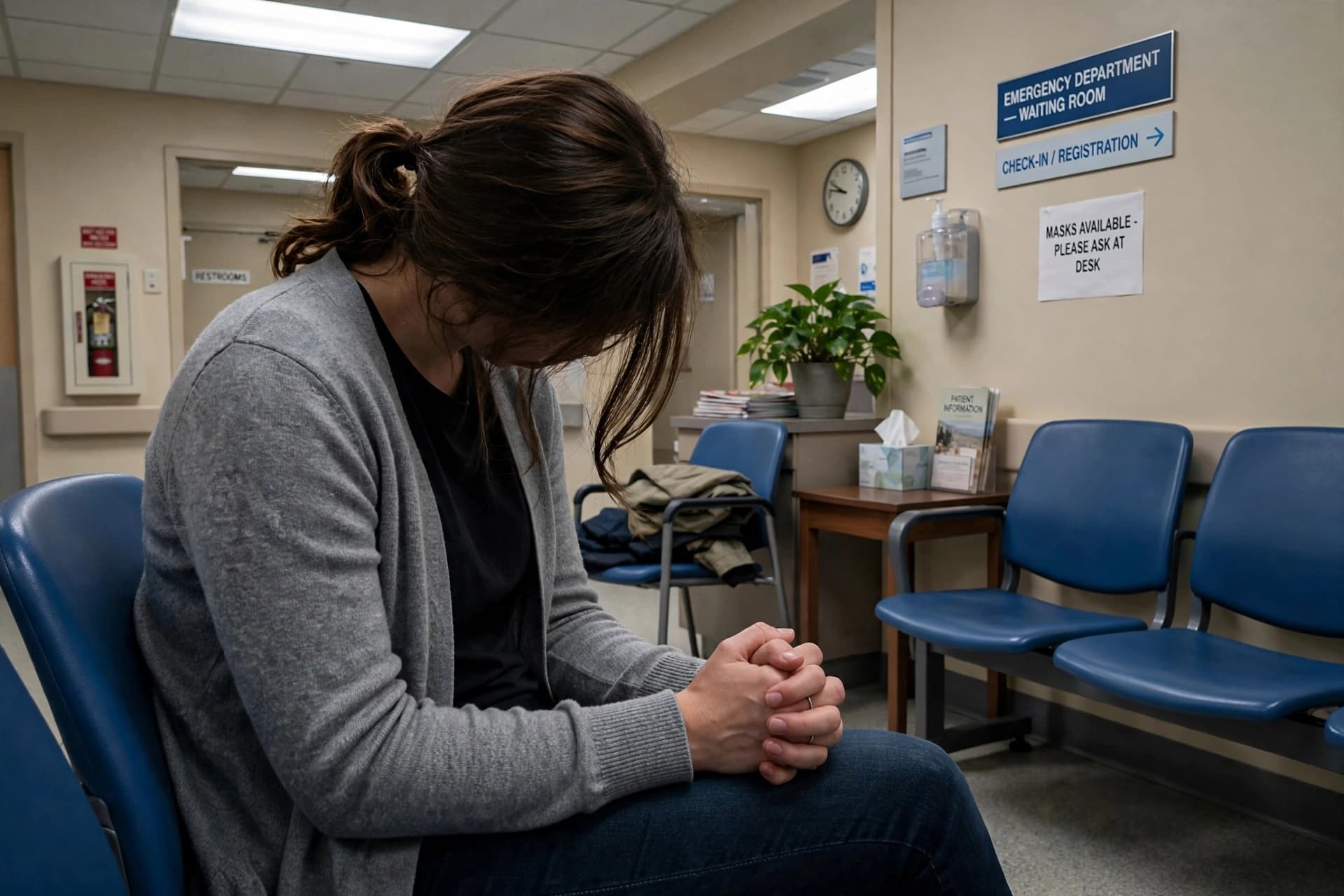
AI-generated images are used for educational illustration and do not portray the actual patient.
Sources: CBS News, Texas Oncology, American Cancer Society
Published by Banx Network. This article is part of the Banx decentralized media programme, powered by the BXE token on the XRP Ledger.