At the edge of a quiet sunrise, there exists a moment when the sky seems to hold its breath — neither dark nor fully alight, but poised between lingering shadows and emerging light. In a similar way, Meta’s recent financial announcement unfolds — a blend of bold ambition and measured reaction that reflects a company in transition, dreaming of what lies beyond the horizon while rooted in the pressures of today’s markets.
Meta, the parent company of Facebook and Instagram, recently revealed plans to sharply increase its capital expenditure for 2026 in pursuit of so-called superintelligence and artificial intelligence innovation. Executives have outlined a projected capex range of $115 billion to $135 billion for the year, a significant increase from the roughly $72 billion spent in 2025 and well above earlier expectations. This surge in investment, focused on expanding AI infrastructure, data centers, and related talent, underscores the company’s determination to shape what it calls the future of computing.
The market responded to this audacious vision with optimism. Meta’s share price rose notably in extended trading after the announcement, buoyed also by strong fourth-quarter financial results that exceeded revenue expectations and highlighted growth in advertising businesses — a cornerstone of the company’s financial strength. Advertisers increasingly leverage AI-driven tools for personalized content delivery, a trend Meta says supports both its current revenues and its capacity to fund long-term technological ambitions.
Yet in this interplay of numbers and narratives, there exists a gentle tension: the resources required to build toward superintelligence are vast, and investors are watching as much for sustainable returns as for visionary prowess. Meta’s ad revenue surged this past quarter, providing a robust financial engine, but the rate at which expenses are climbing — including infrastructure costs and higher compensation to attract top AI talent — invites reflection on how future returns will balance today’s outlays.
The story of Meta’s direction mirrors a broader challenge facing the tech sector: how to invest boldly in transformative technology while maintaining confidence among stakeholders who want clarity on when and how those investments will translate into durable profit. Some see the steep capital investment as necessary groundwork for breakthroughs that could reshape digital experiences across platforms; others watch closely to see if the returns match the scale of the bet.
If there is a metaphor to be found here, it may be that of a garden in early spring — seeds planted now whose harvest is uncertain but whose growth could change the landscape in seasons to come. For Meta, the seeds are its data centers, its AI labs, and the engineers and researchers building tomorrow’s tools. The soil, for now, is fertile with strong advertising demand and expanding digital engagement; the breeze is awareness that the path forward requires patience as well as vision.
In straight news terms, Meta reported record revenue and raised its capital expenditure forecast significantly as part of a strategic push into superintelligence and AI infrastructure, prompting a surge in its stock price. Company leadership provided guidance for higher spending on data centers, cloud partnerships, and talent acquisition in 2026, reflecting confidence in long-term opportunities while acknowledging the near-term scale of investment required for future growth.
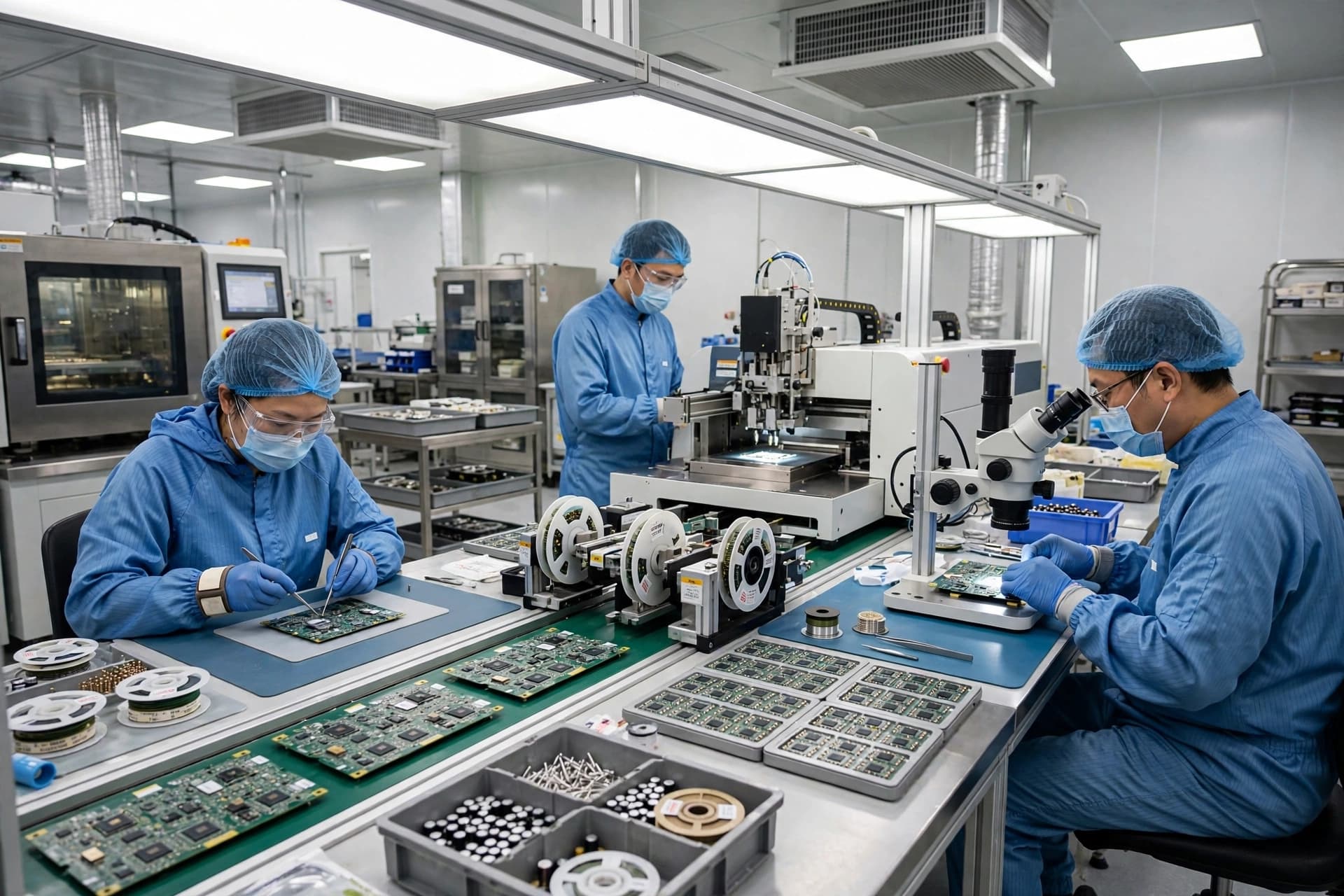
AI Image Disclaimer “Images in this article are AI-generated illustrations, meant for concept only.”
Source Check Credible sources identified:
Reuters Financial Times The Guardian AP News (via earnings coverage) Yahoo Finance
Published by Banx Network. This article is part of the Banx decentralized media programme, powered by the BXE token on the XRP Ledger.