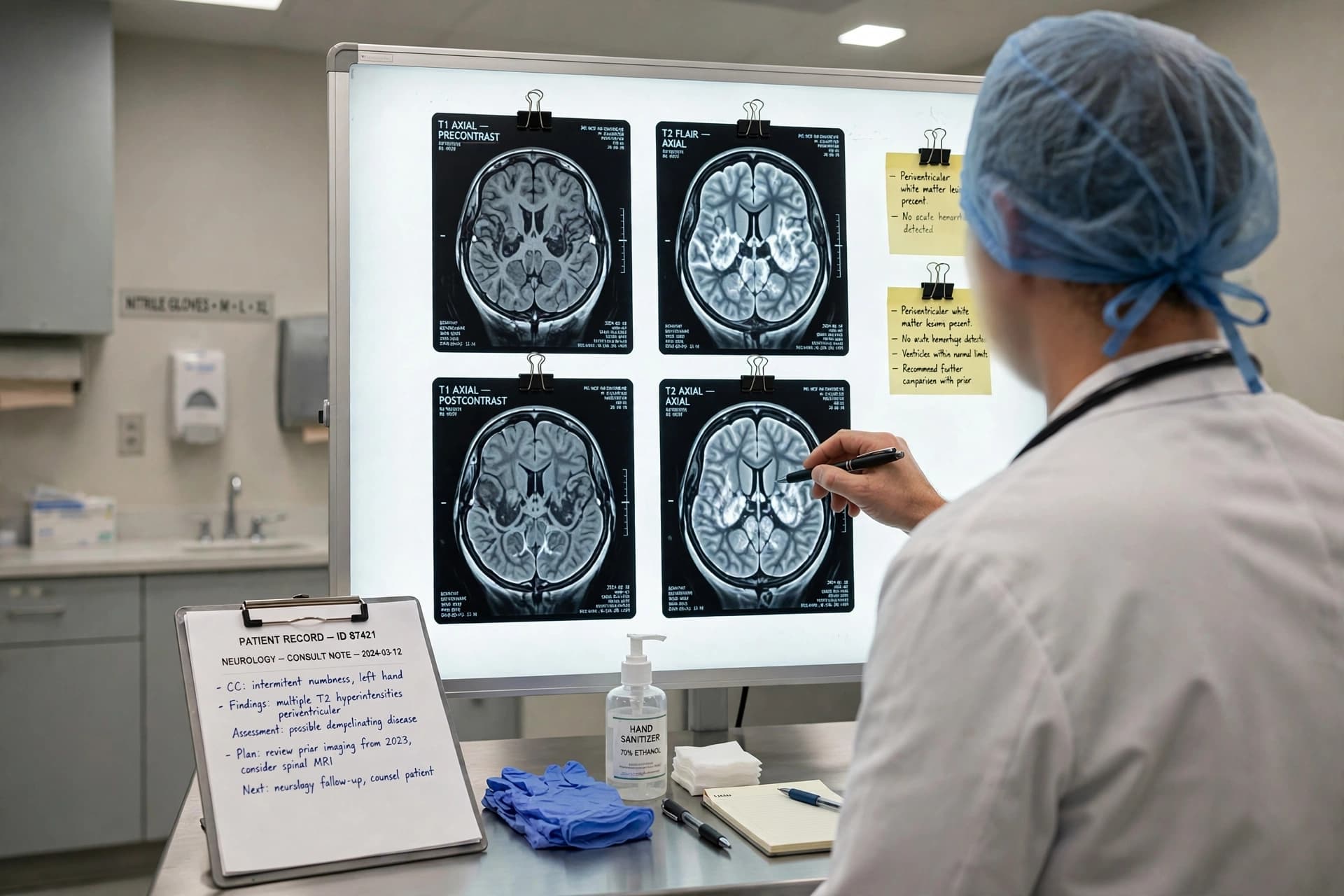
There are parts of the human body that announce their work clearly, with motion, sound, or sensation. The brain, however, prefers discretion. It thinks, remembers, and dreams without revealing the quiet labor that sustains it. For years, scientists believed that once thoughts faded and sleep arrived, the brain simply rested. Yet recent discoveries suggest that these moments of stillness may be when some of its most essential housekeeping begins.
Researchers have identified what can be described as a previously underappreciated “cleanup hub” within the brain, a network that helps remove metabolic waste produced by daily neural activity. Rather than relying on traditional lymphatic vessels, which serve much of the body, the brain appears to use a specialized pathway that operates alongside blood vessels, guiding fluid through neural tissue with careful efficiency. This system works quietly, unseen, yet continuously supports cognitive health.
The discovery reshapes how scientists understand brain maintenance. As neurons fire and communicate, they generate byproducts that must be cleared to preserve balance. The newly studied hub helps channel cerebrospinal fluid through the brain’s tissues, washing away excess proteins and waste molecules. This process becomes especially active during sleep, when brain cells subtly shift, creating space for fluid to flow more freely.
What makes this finding especially reflective is its connection to time and rest. Sleep, long associated with memory and recovery, now appears to serve an even deeper purpose. The brain does not simply pause; it reorganizes and cleans, tending to what remains after waking life has passed. In this sense, rest becomes not an absence of activity, but a form of quiet care.
Scientists also note the potential relevance of this system to neurological conditions. When waste clearance falters, harmful proteins may accumulate, a pattern observed in disorders such as Alzheimer’s disease. Understanding how this cleanup hub functions could, over time, inform new approaches to prevention or treatment, though researchers emphasize that such applications remain under careful study.
The discovery does not overturn existing knowledge so much as complete it. It adds another layer to the understanding of how the brain protects itself, suggesting that maintenance is as fundamental as thought itself. Each new insight offers a gentler appreciation of the brain’s resilience and its reliance on balance.
Researchers continue to explore how this system develops, how it changes with age, and how lifestyle factors such as sleep quality may influence its effectiveness. For now, the finding stands as a reminder that even in silence, the brain is at work.
AI Image Disclaimer (Rotated Wording) Images in this article are AI-generated illustrations, meant for concept only.
Sources (media names only):
Nature Science Scientific American National Institutes of Health (NIH) BBC Science
Published by Banx Network. This article is part of the Banx decentralized media programme, powered by the BXE token on the XRP Ledger.