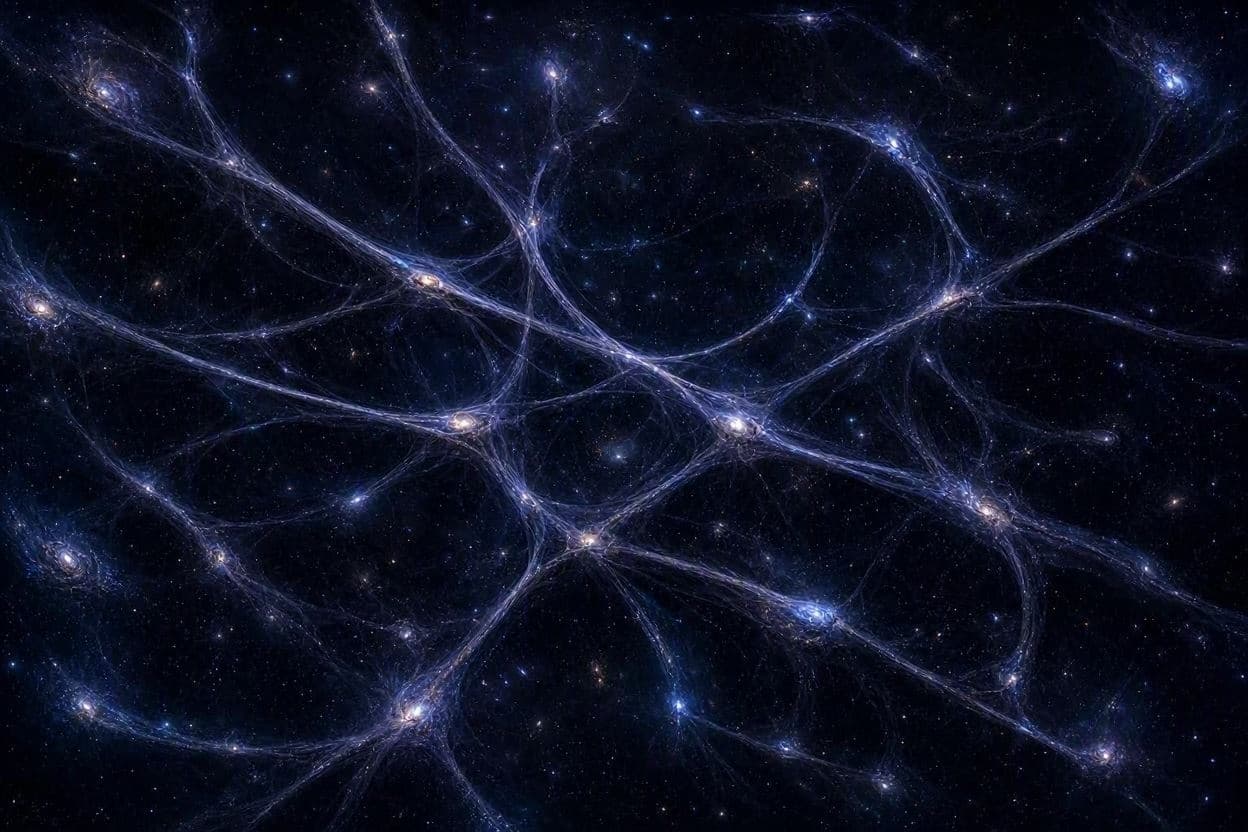
Far beyond the reach of human touch, in a quiet corner of the universe, a slow and monumental event may be unfolding. Galaxies drift, stars ignite and fade, and sometimes—on scales almost unimaginable—cosmic giants meet in silent convergence. Such may be the case within .
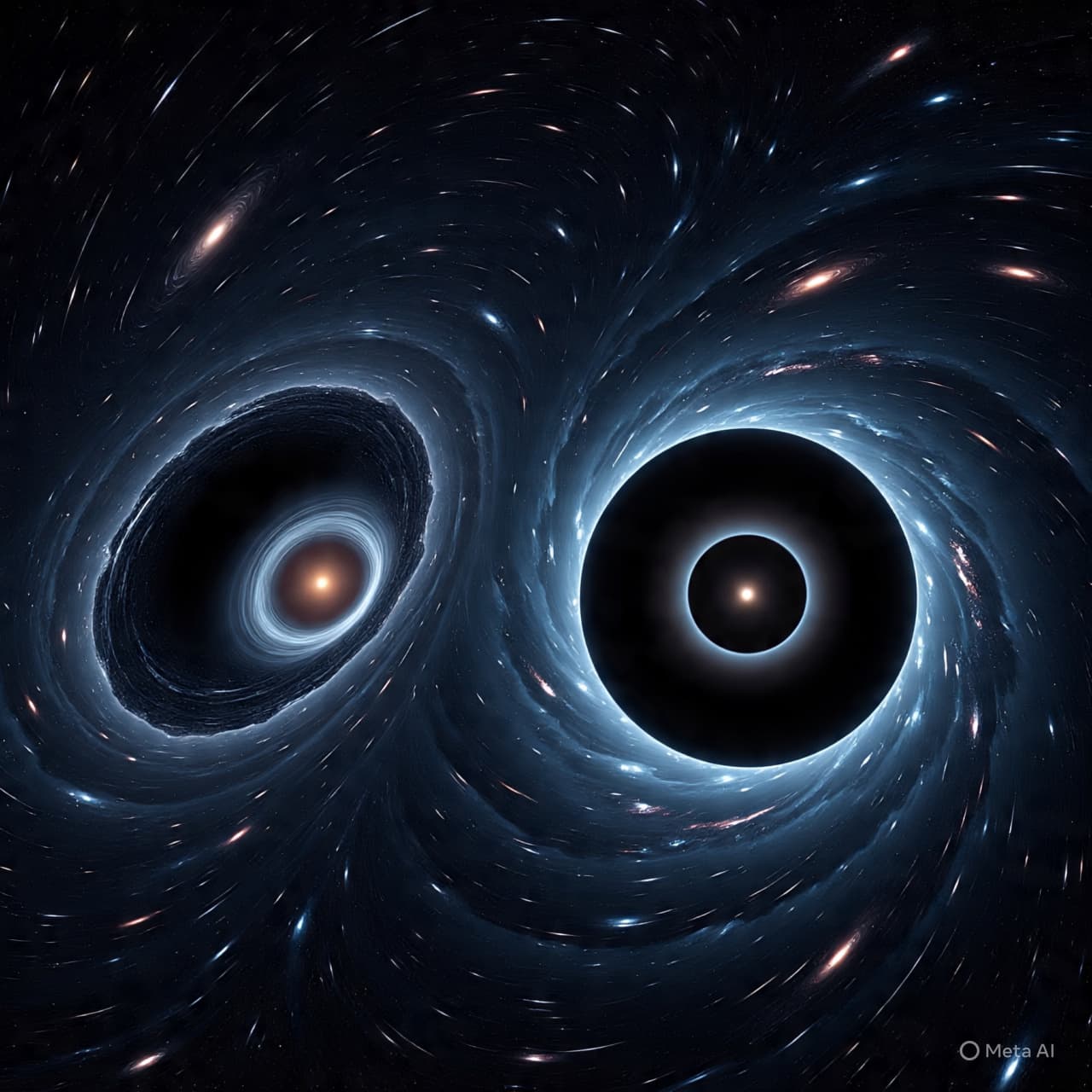
Astronomers have detected compelling evidence suggesting that this compact galaxy may host the remnants of a supermassive black hole merger. These events, among the most powerful in the universe, occur when two galaxies collide and their central black holes spiral toward each other.
The clues lie not in direct observation, but in subtle distortions—unusual stellar motions and density distributions that hint at a turbulent past. In NGC 4486B, scientists observed an unexpected concentration of stars near its core, a feature often associated with gravitational interactions of immense scale.
Black hole mergers are governed by the principles of , where massive objects warp spacetime itself. As two black holes orbit each other, they emit gravitational waves, gradually losing energy until they finally coalesce.
While gravitational waves from smaller black hole mergers have been detected, observing evidence of supermassive mergers remains far more challenging. Instead, astronomers rely on indirect signatures—like those now emerging from NGC 4486B.
Computer simulations have played a crucial role in interpreting these findings. By recreating galactic collisions, researchers can compare theoretical outcomes with real observations. In this case, the models align with the presence of a past merger event.
The implications extend beyond a single galaxy. Understanding how supermassive black holes merge offers insight into galaxy evolution itself. These mergers can influence star formation, galactic structure, and even the distribution of dark matter.
Yet, as with many discoveries in astronomy, certainty comes slowly. Alternative explanations—such as unique stellar dynamics unrelated to mergers—remain under consideration. Scientific caution ensures that conclusions are built on robust evidence.
Even so, the possibility is compelling. A black hole merger in NGC 4486B would represent a rare glimpse into one of the universe’s most dramatic processes—one that unfolds over millions of years, far removed from human timescales.
In contemplating such events, perspective shifts. The universe reveals itself not as static, but as an ever-changing tapestry, shaped by forces both immense and invisible.
If confirmed, this discovery would add another chapter to our understanding of cosmic evolution—quietly reminding us that even in the vast stillness of space, profound transformations are always underway.
AI Image Disclaimer: Images in this article are AI-generated illustrations, meant for concept only.
Source Check NASA European Space Agency (ESA) Astrophysical Journal Space.com Nature Astronomy
Published by Banx Network. This article is part of the Banx decentralized media programme, powered by the BXE token on the XRP Ledger.