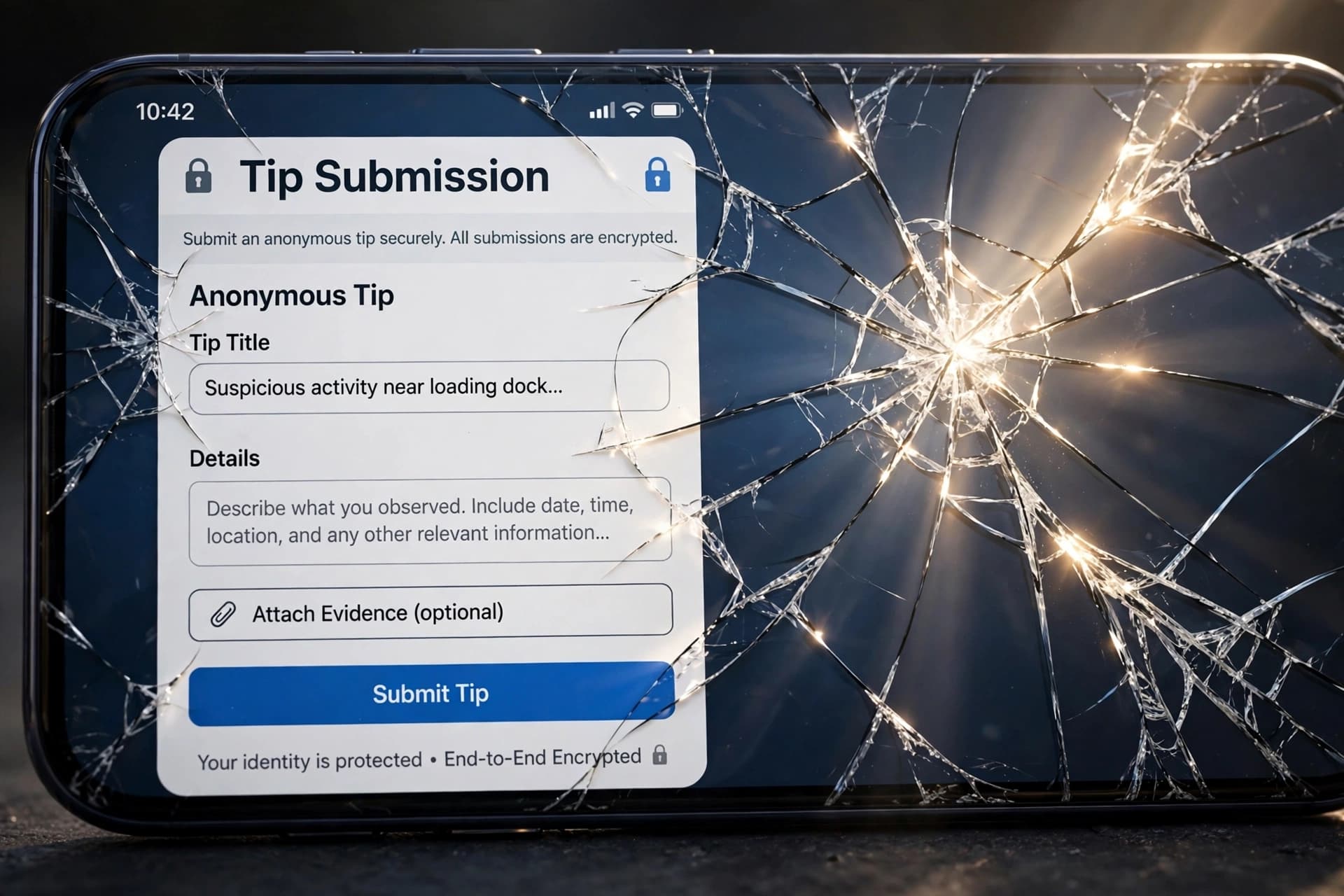
Anonymity is a fragile promise. It is made in the quiet confidence that a voice can speak without a face, that a tip can be offered without a target being painted on the back of the person who offered it. For twenty-five years, Canadians trusted Crime Stoppers with that promise. They called about murders and drugs and fires and the small details that sometimes break a case open. They believed the word "anonymous" meant what it said. This week, a CBC investigation revealed that more than 1.5 million tips submitted to Canadian Crime Stoppers programs were exposed in a breach of the platform managed by the U.S. company Navigate360, and that tens of thousands of those records contained unredacted personal information .
The breach occurred in March, when a hacktivist collective calling itself Internet Yiff Machine accessed the P3 tip-management system that Crime Stoppers chapters across North America relied upon. The collective said it wanted to disprove the company's claim that the platform was secure. What CBC found in the data was not merely a technical failure but a systemic one: names, addresses, phone numbers, emails, license plates, and even banking details related to cash rewards, all stored together in ways that cybersecurity experts describe as a gold mine for fraudsters and extortionists .
Michael Geist, a law professor at the University of Ottawa, called it "potentially one of the most harmful data breaches we've ever seen in Canada" . The harm is not abstract. One woman who spoke to CBC, her identity withheld for her safety, had provided a tip about the murder of a loved one. The case was unsolved at the time. Police have since charged someone. "They were capable of hurting my loved one," she said. "They could come back and hurt one of us" .
The response has been halting. Toronto Crime Stoppers paused accepting tips after learning that more than 175,000 of its records and nearly 15,000 names were stolen. Hamilton, Halton, York, and other police services suspended their partnerships with the program. At least seven chapters have announced suspensions since the CBC investigation published . Navigate360 has not responded to repeated requests for comment. The company's accounts of the breach shifted over months: first no Canadian data was taken, then Toronto was not affected, then years of Toronto data was compromised. Cybersecurity expert Ali Dehghantanha described the changing narrative as raising "massive red flags" about the vendor's ability to investigate and remediate .
What comes next is uncertain. Geist notes that Canadian privacy law places responsibility on the organization that collects the data—Crime Stoppers—even when a third party manages it. But enforcement across borders is difficult, and the penalties available under current law are weak. A privacy commissioner investigation could take years and produce recommendations that are not legally binding. For tipsters seeking compensation, the path runs through class actions, a remedy that is slow and uncertain .
The deeper question is one of trust. Crime Stoppers worked because people believed that the act of speaking would not be turned against them. That belief was not naive; it was the foundation of a program that solved crimes by protecting the people who helped solve them. The breach did not merely expose data. It exposed a vulnerability in the logic of anonymous tip lines themselves: that anonymity, once compromised, cannot be restored by a press release or a pause in operations.
For now, the investigations continue. Police services are assessing what was taken. Experts are calling for privacy law reform. And the people whose names and numbers sit in a dataset held by a hacktivist collective are left to wonder whether the promise that was made to them will ever be made whole.
AI Image Disclaimer: Visuals in this article are AI-generated illustrations, not actual photographs or records.
Sources: CBC News, Radio-Canada, The Canadian Press, CityNews
Published by Banx Network. This article is part of the Banx decentralized media programme, powered by the BXE token on the XRP Ledger.