In the world of computing, memory is like the deep soil beneath a field of crops: unseen until its richness or scarcity shapes everything that grows above. For decades, buyers and manufacturers alike took for granted that RAM and storage chips would remain plentiful and affordable, quietly supporting the cycles of upgrades and new device launches. Now, with demand shifting dramatically, that underlying layer is showing signs of strain, and those ripples are beginning to reshape the landscape of the PC market.
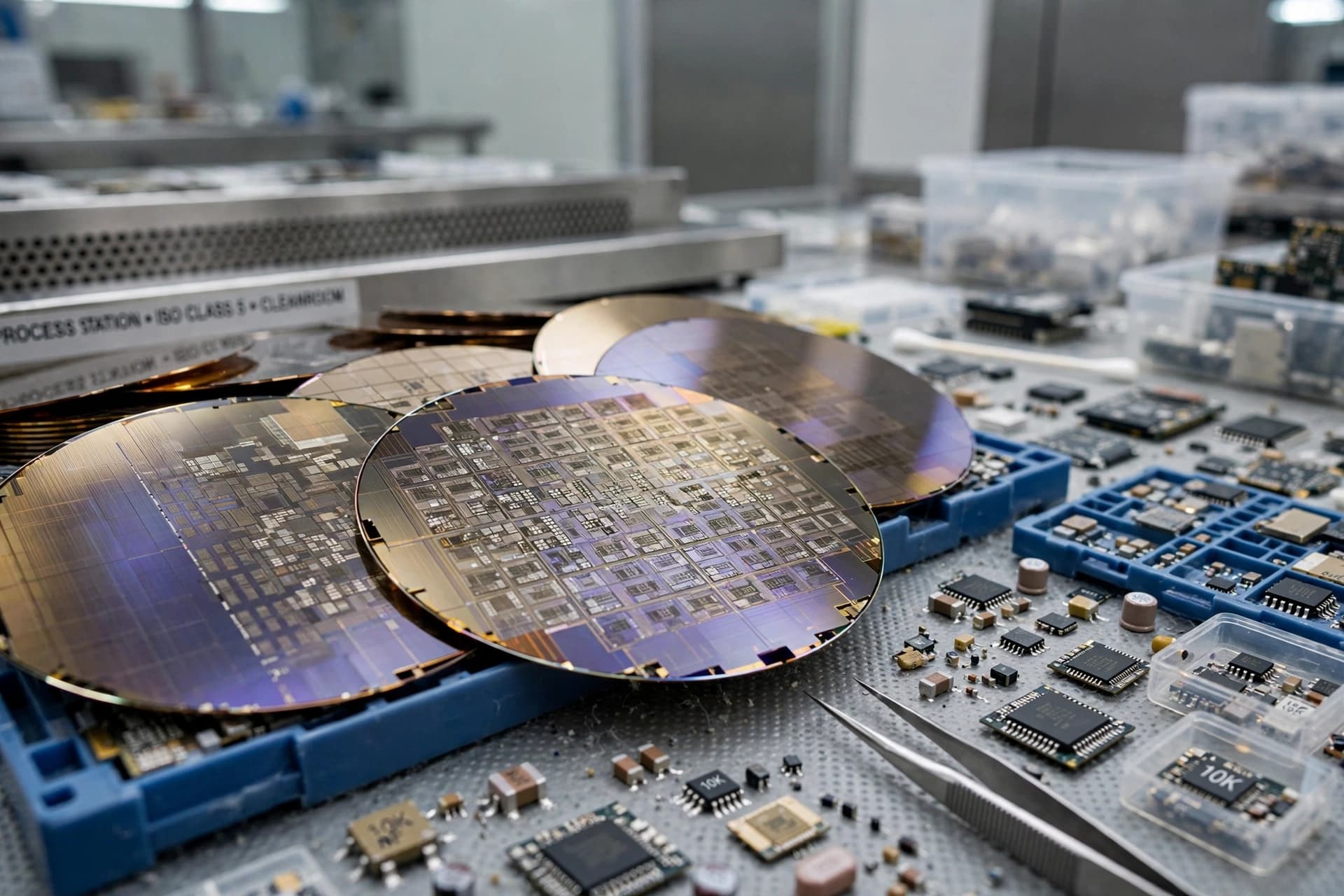
The memory shortage emerging in 2025 and now intensifying into 2026 has been driven by a surge in demand from artificial intelligence infrastructure, where high-bandwidth memory and advanced DRAM command priority on production lines. Memory manufacturers have increasingly allocated wafer capacity to serve these high-margin, high-performance segments, leaving less supply for consumer and mainstream PC components.
Industry observers describe the imbalance as more structural than cyclical, meaning it may not simply “correct” with time. Traditional DRAM and NAND suppliers have shifted focus toward the needs of data centers and AI customers, even as inventories of consumer memory have dwindled and prices have soared. This has placed PC manufacturers in a challenging position: rising costs for key components are pushing them either to raise retail prices or absorb narrower profit margins, particularly for devices that emphasize RAM capacity and fast storage.
The effects are showing up in real terms. Some vendors, including smaller makers and established OEMs, have already adjusted pricing on desktops and notebooks to reflect the higher cost of memory modules. Others are reconsidering their product strategies, emphasizing higher-end configurations with stronger margins or trimming offerings at the lower end to protect profitability. According to analysts, these shifts may dampen overall PC demand in 2026 as buyers react to elevated costs and limited availability.
The memory crunch has also sparked conversations about market consolidation. When supply is tight and costs rise, smaller players often struggle to compete with larger firms that can secure long-term agreements or absorb price volatility. In some cases, this dynamic accelerates mergers, strategic partnerships, or exits from certain segments, potentially reshaping who remains active in the PC supply ecosystem in the years ahead. While hardware makers are adapting with creative sourcing and product planning, the strain on memory supply chains underlines how interconnected global technology markets have become.
As manufacturers invest in new fabs and memory production capacity, meaningful relief is not expected in the immediate term. For now, the industry is learning to navigate an era in which memory scarcity has moved from background assumption to defining constraint, influencing pricing, production, and competitive landscape across the PC vendor world.
In recent reporting, analysts from Omdia and IDC reiterated that memory shortages are a key factor in expected lower PC shipments and higher prices in 2026, driven by a strategic allocation of memory wafer capacity toward AI and enterprise segments.
AI Image Disclaimer Illustrations were produced with AI and serve as conceptual depictions.
Sources Reuters WebProNews The Verge TechRadar IDC / Omdia analysts
Published by Banx Network. This article is part of the Banx decentralized media programme, powered by the BXE token on the XRP Ledger.