Not all corporate stories end with a signature. Some conclude quietly, with conversations slowing, then stopping, leaving only the outline of what might have been. Such is the case with Merck and Revolution Medicines, where acquisition talks have now come to an end.
The discussions, which had drawn attention across the pharmaceutical and biotechnology sectors, suggested a possible alignment between Merck’s scale and Revolution Medicines’ focus on targeted cancer therapies. For a time, the possibility alone was enough to move sentiment, inviting speculation about pipelines, synergies, and the future direction of oncology research.
That expectation has now receded. Merck is no longer in talks to acquire Revolution Medicines, according to people familiar with the matter. No transaction emerged, and no agreement followed the exploratory phase. The reasons were not framed as conflict or collapse, but as a natural conclusion to negotiations that did not align.
In the biotech world, such outcomes are common, though rarely insignificant. Early-stage companies often attract interest precisely because their science holds promise without certainty. Larger firms, weighing risk against return, must decide whether timing, valuation, and strategy truly intersect.
For Revolution Medicines, the end of talks does not erase its scientific work or ambitions. The company continues to advance treatments aimed at difficult-to-target cancer mutations, a field where progress tends to come incrementally rather than through sweeping deals.
For Merck, the pause underscores discipline. Walking away can be as strategic as moving forward, particularly in an environment where drug development costs are high and competitive pressures constant. Capital, once considered for acquisition, now waits for another purpose.
Markets absorbed the news with restraint. The absence of a deal reshaped expectations but did not rewrite the underlying reality of either company. What changed was not direction, but immediacy.
In the end, this is a story defined by restraint rather than action. No assets changed hands, no press conferences followed. Yet the episode reflects a broader truth of modern pharmaceuticals: progress is shaped as much by decisions not to merge as by those that do.
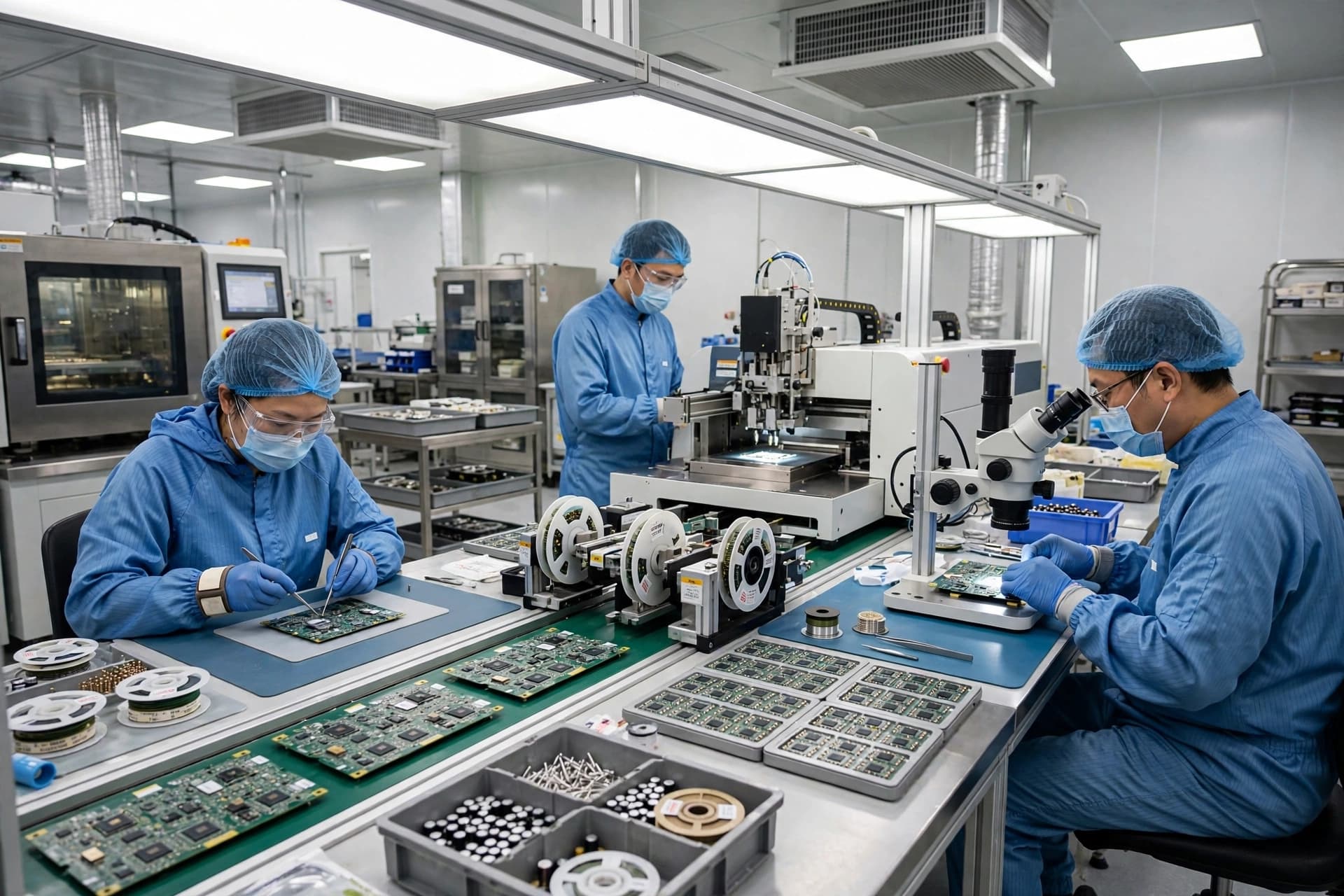
AI Image Disclaimer Visuals are AI-generated and serve as conceptual representations.
Sources Merck corporate disclosures Biotechnology industry analysts Healthcare investment observers
Published by Banx Network. This article is part of the Banx decentralized media programme, powered by the BXE token on the XRP Ledger.