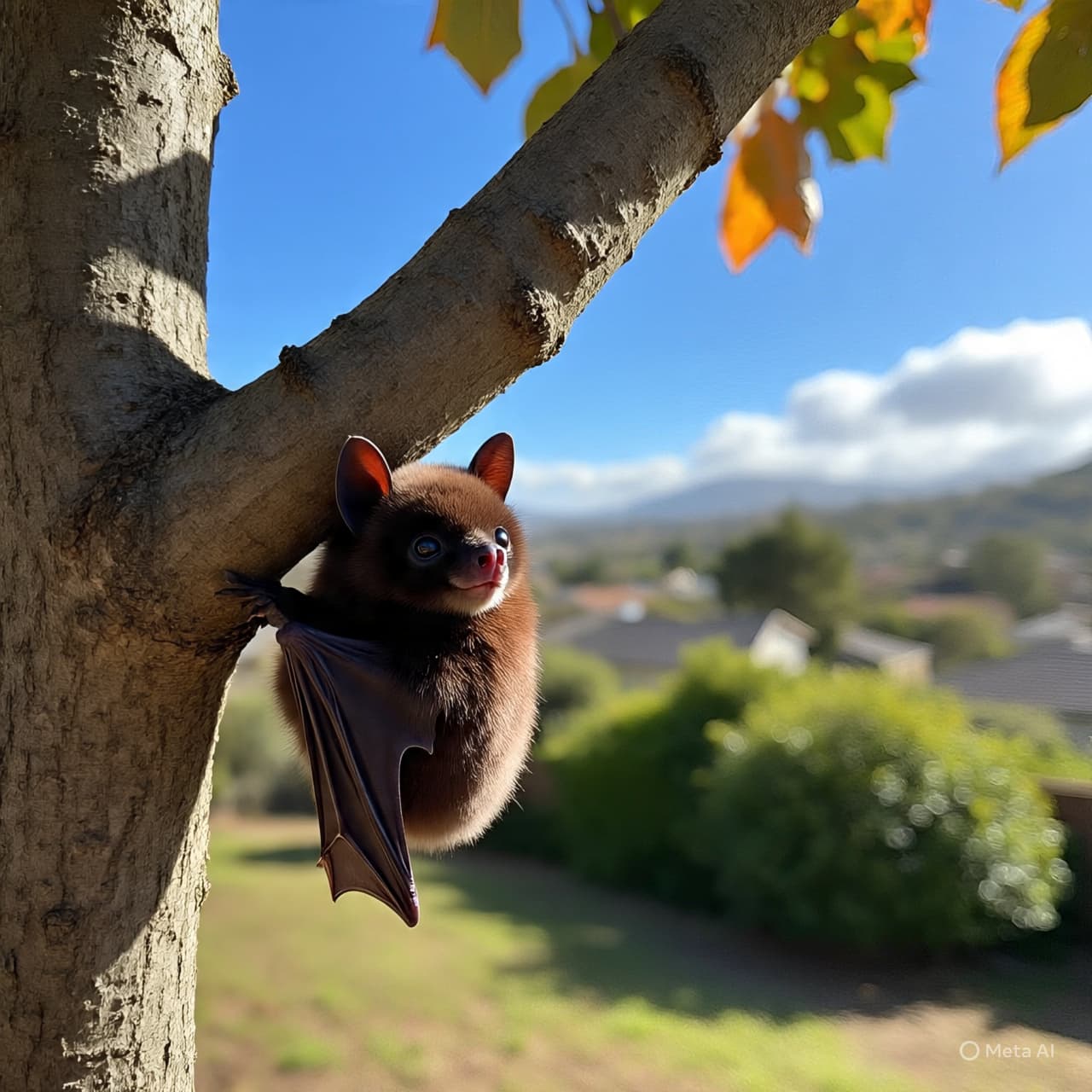
It is always strange how the smallest animal can shift a county’s mood. A single bat that tested positive for rabies in San Mateo County is not a headline engineered for panic — but it is a reminder of what modern public health really is: a choreography of quiet vigilance.
Rabies is one of those viruses that still behaves like another century. No subtle spread, no ambiguous symptoms, no soft gray zone of maybe. If exposure happens and treatment does not arrive quickly, the disease is close to universally fatal. And that brutal finality is why local officials are trained to treat even one detection seriously.
In the Bay Area, wildlife encounters are not rare. Open doors, backyard fruit trees, pets that roam outside — it only takes one brief contact for the viral logic to activate. That is why the messaging from health departments tends to sound almost ritualistic: avoid touching wild animals, report unusual behavior, and seek medical guidance if contact is suspected.
There is no moral panic embedded here. This is public health as maintenance of the ordinary. In the 21st century, the threat is no longer the major outbreak — it is the quiet erosion of vigilance. One positive case in one bat is not a crisis. But it is a reminder that certain viruses still operate on hard binary terms: exposed or not, treated or not, safe or not.
And perhaps the most rational response is neither anxiety nor dismissal — but simply remembering that wildlife is not a petting zoo, and medicine works best when it is not forced into emergency mode. ### AI Image Disclaimer
Visuals are created with AI tools and are not real photographs.
### Sources
Associated Press NBC Bay Area San Francisco Chronicle Mercury News
Published by Banx Network. This article is part of the Banx decentralized media programme, powered by the BXE token on the XRP Ledger.