There is a particular rhythm to negotiations between neighbors, a pattern of approach and retreat that can look from a distance like indecision but is often something closer to caution. On Sunday, Prime Minister Mark Carney said he had a "good conversation" with President Donald Trump about the future of Canada-U.S. trade, and that their teams would work in the coming weeks toward a "mutually beneficial trade deal" . The phrasing was careful: jobs for workers, affordability for families, and full respect for Canada's languages, culture, and sovereignty. It was a statement designed to sound like progress without promising that progress had been made.
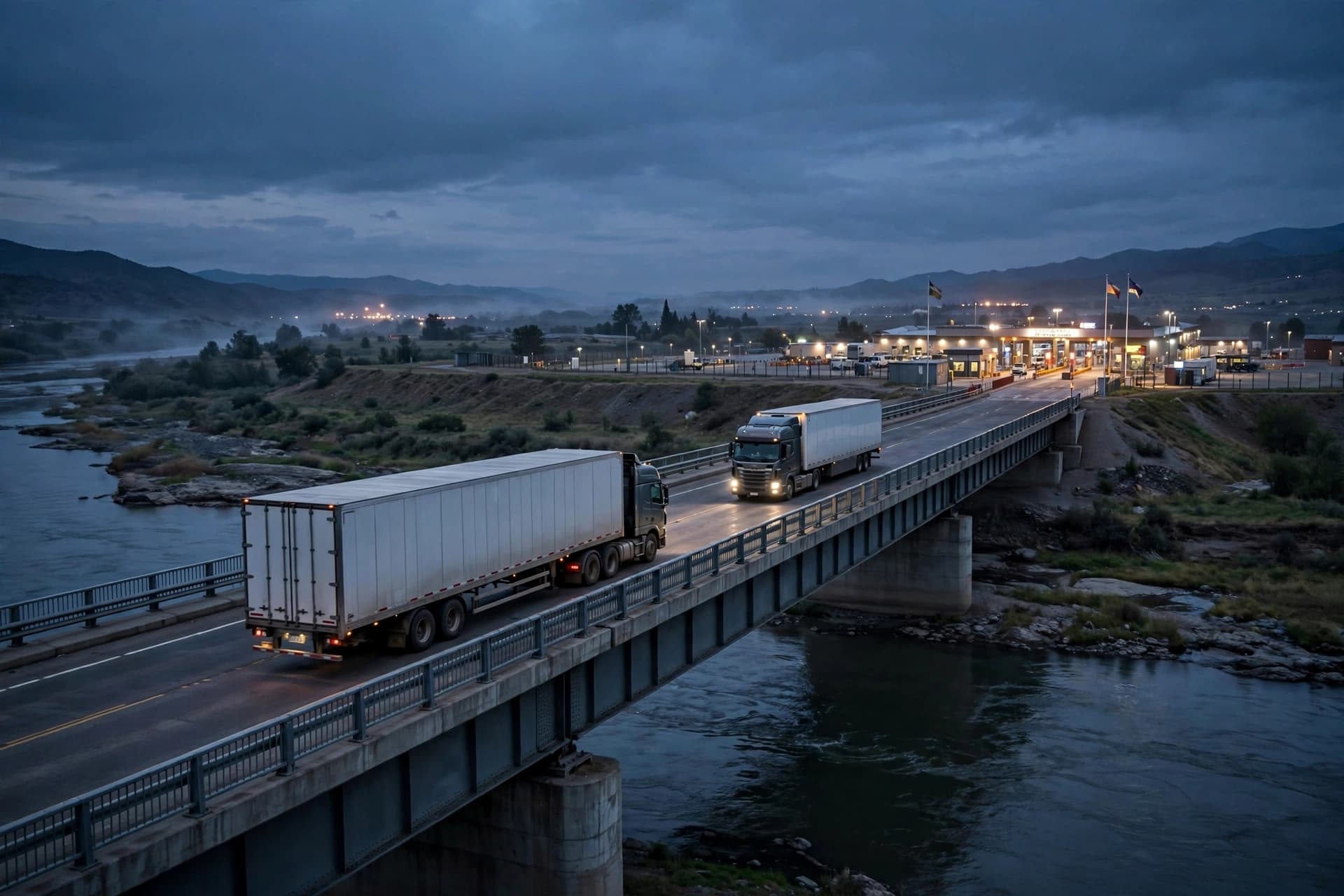
The context is a trade war that has been running since August, when talks collapsed. Carney walked away from negotiations after concluding that Washington's demands would "destroy" Canadian industries, including auto, steel, and aluminum. Trump responded with 50 percent tariffs on roughly twenty billion dollars in Canadian goods, and Canada retaliated in kind . The dispute has become an issue in Tuesday's U.S. midterm elections, particularly in border states like Michigan and Maine, where local economies are tied to Canadian trade .
What changed between Wednesday, when Carney told reporters Canada was not in a position to agree to a deal, and Sunday, when he spoke of teams working toward one? The prime minister did not say. A senior source told CBC News that formal negotiations are set to begin again, and that autos are expected to be a key sticking point, as they were in August . Trump, speaking at a rally in Iowa, described the situation differently. "We have the concept of a very good deal with Canada," he said. "We are now very close to having a deal" . The president mentioned the Keystone XL pipeline and suggested the agreement could erase tariffs paid by U.S. farmers for Canadian products, though he also made clear that final details had not been established .
The gap between "concept" and "deal" is where the work remains. Sources familiar with the discussions told CBC that "key elements" are unresolved, and that "we are not on the verge of an agreement just yet" . Canadian officials have been informing industry groups that a deal was unlikely before the midterms, a prediction that appears to have held. What Sunday's conversation may have done is reset the tone, moving the relationship from public recrimination back toward the quieter, slower work of negotiators.
For Carney, the political calculus is delicate. He faces pressure from Conservative leader Pierre Poilievre, who urged him Sunday to deliver "real results" rather than "big talk" . He also faces the reality that Canada's leverage is limited and its dependence on the U.S. market is deep. His government has moved to reduce that dependence, launching a new alliance with the European Union on Friday and seeking to double exports to countries other than the United States over the next decade . But those are long-term projects. The tariffs are immediate.
What a final deal might contain remains unknown. Relief for Canadian steel and aluminum is under discussion, as is the auto sector. The French-language content rules that Carney cited as a reason for walking away in August have not been publicly resolved. Trump's mention of Keystone XL introduces an element that was not part of the earlier negotiations, at least not publicly. The president's habit of announcing deals before their details are settled is well documented. Carney's habit, by contrast, is to speak in the measured language of frameworks and outcomes.
For now, the statement stands as a signal rather than a settlement. Teams will work. Weeks will pass. The midterms will conclude, and the political pressure that shaped the timing of this conversation will shift. Whether the "concept" becomes a deal, and whether that deal is one Canada can accept, is a question that the coming weeks will answer. The prime minister has said the right things. The president has said the deal is close. The distance between those two statements is where the actual negotiation lives.
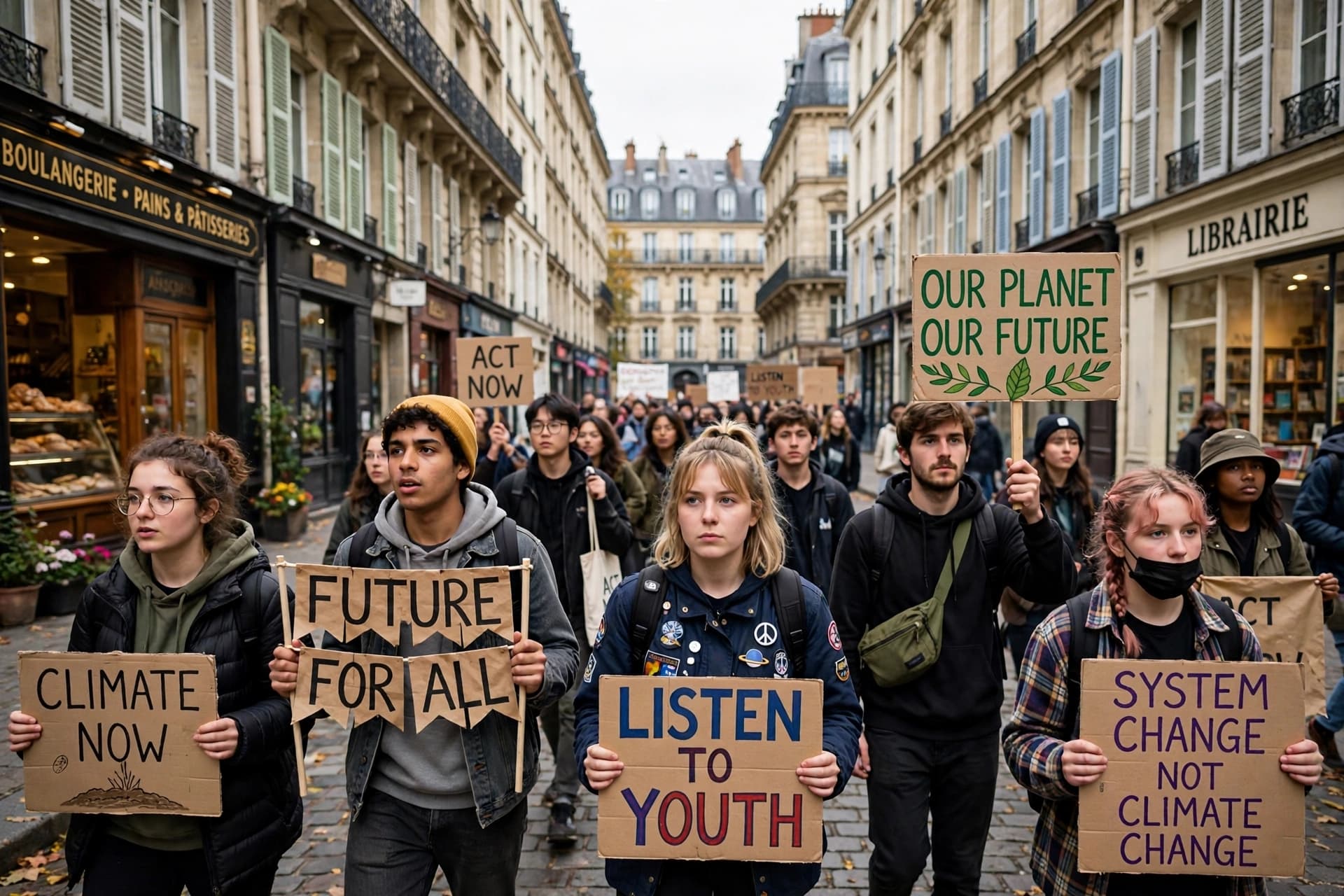
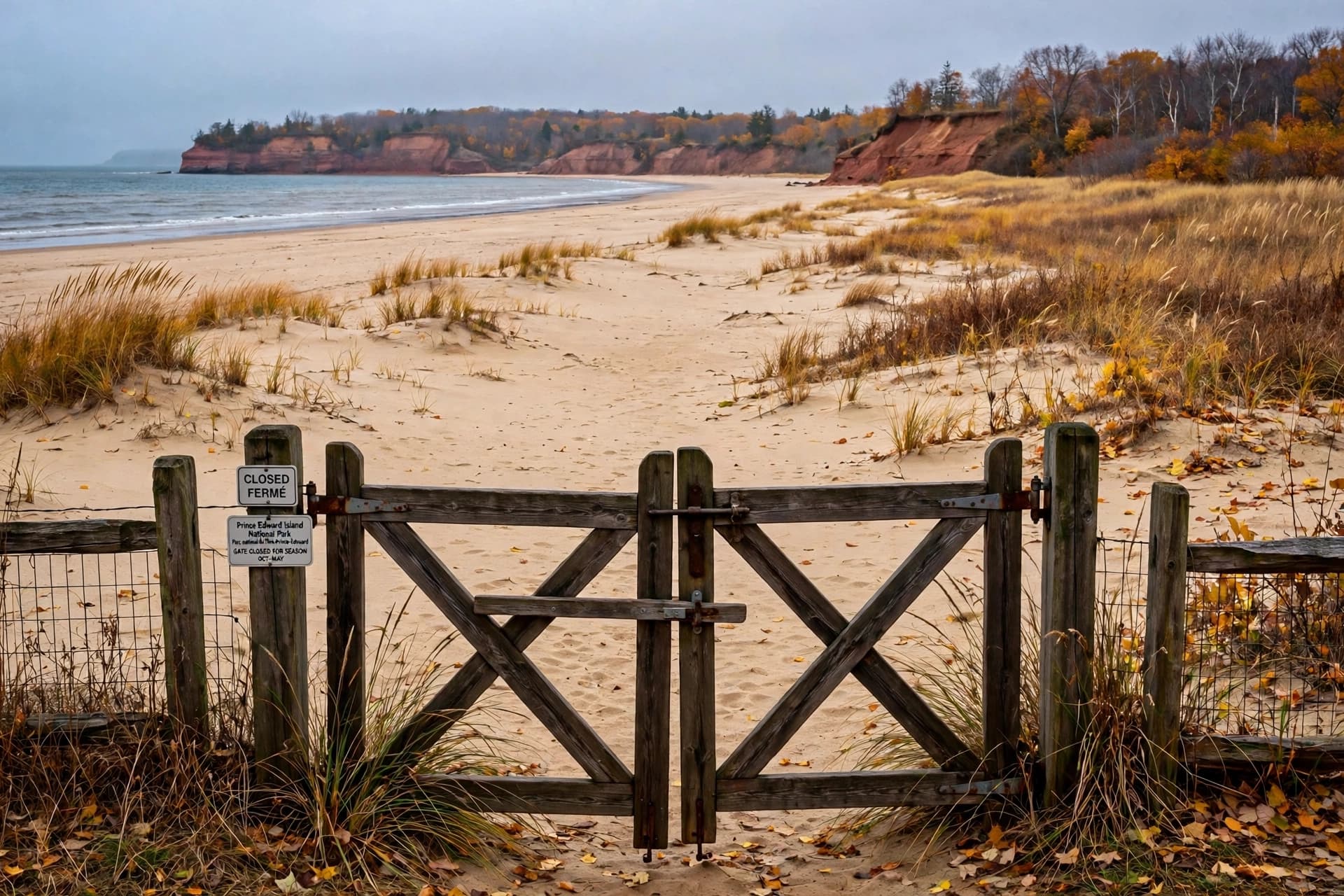
Image Disclaimer: This article's accompanying image is an AI-generated illustration and does not represent the actual leaders or negotiations.
Sources: CBC News, AP News, Toronto Sun
Published by Banx Network. This article is part of the Banx decentralized media programme, powered by the BXE token on the XRP Ledger.