The difference between a human brain and a chimpanzee brain is not, in genetic terms, a matter of vast distance. The two species share about 98.8 percent of their DNA. Their protein-coding genes are remarkably similar. And yet the human brain is roughly three times larger, capable of language, abstraction, and the kind of cumulative culture that has reshaped the planet. For decades, scientists have asked how such a small genetic gap could produce such a large cognitive one. A new study suggests that part of the answer may lie not in the genes themselves, but in a tiny viral ghost that switched one of them off .
The ghost belongs to a retrovirus called PTERV1, which infected the ancestors of chimpanzees roughly four million years ago but never took hold in the human lineage. The virus inserted copies of its genetic material throughout the chimpanzee genome—158 locations, according to the research—and those remnants have been passed down ever since . One of those insertions landed near a gene called LINC00662, which in humans is active during early brain development and appears to help neurons mature and extend their connections .
The research team, led by molecular neurogeneticist Patricia Gerdes at Lund University in Sweden, used brain organoids—tiny clusters of cells grown in the lab that model early brain development—to compare human and chimpanzee neural tissue. In human organoids, LINC00662 was strongly expressed. In chimpanzee organoids, it was silent. When the researchers used CRISPR to remove the viral insertion from chimpanzee cells, the gene switched back on . The virus, it seemed, had inadvertently muted a gene that in humans contributes to the architecture of the brain.
What this means for the chimp brain is not entirely clear. The researchers do not claim that the virus "prevented" chimpanzees from developing human-like intelligence, nor that removing it would produce one. "Brain differences arise from many genetic and developmental influences," Gerdes said, "and removing the insertion from an adult brain would not undo the brain's earlier development" . The finding is one piece of a much larger puzzle, a single regulatory change among many that shaped the divergence of two closely related species.
But the study does illuminate a mechanism that is often overlooked in discussions of evolution. We tend to think of genetic change in terms of mutations—single letters swapped in the code, altering the proteins those genes produce. What this research shows is that viruses can rewrite the instructions for when and where a gene is turned on, with consequences that may be as profound as any change to the gene itself. Endogenous retroviruses make up at least 8 percent of the human genome, and their role in shaping gene regulation is only beginning to be understood .
The broader question—why humans escaped PTERV1 while chimpanzees did not—remains unanswered. One possibility is that early human ancestors lived in geographic isolation from the populations where the virus circulated. Another is that humans possessed a antiviral protein, TRIM5α, that conferred protection . The study does not resolve this, but it adds a new dimension to the story of how two species, separated by a few million years and a tiny fraction of their genomes, came to inhabit such different cognitive worlds.
For now, LINC00662 and its viral silencer sit at the intersection of virology, neurobiology, and evolutionary anthropology—a reminder that the forces that shape a brain can be as small as a strand of DNA and as old as the forests of an ancient continent.
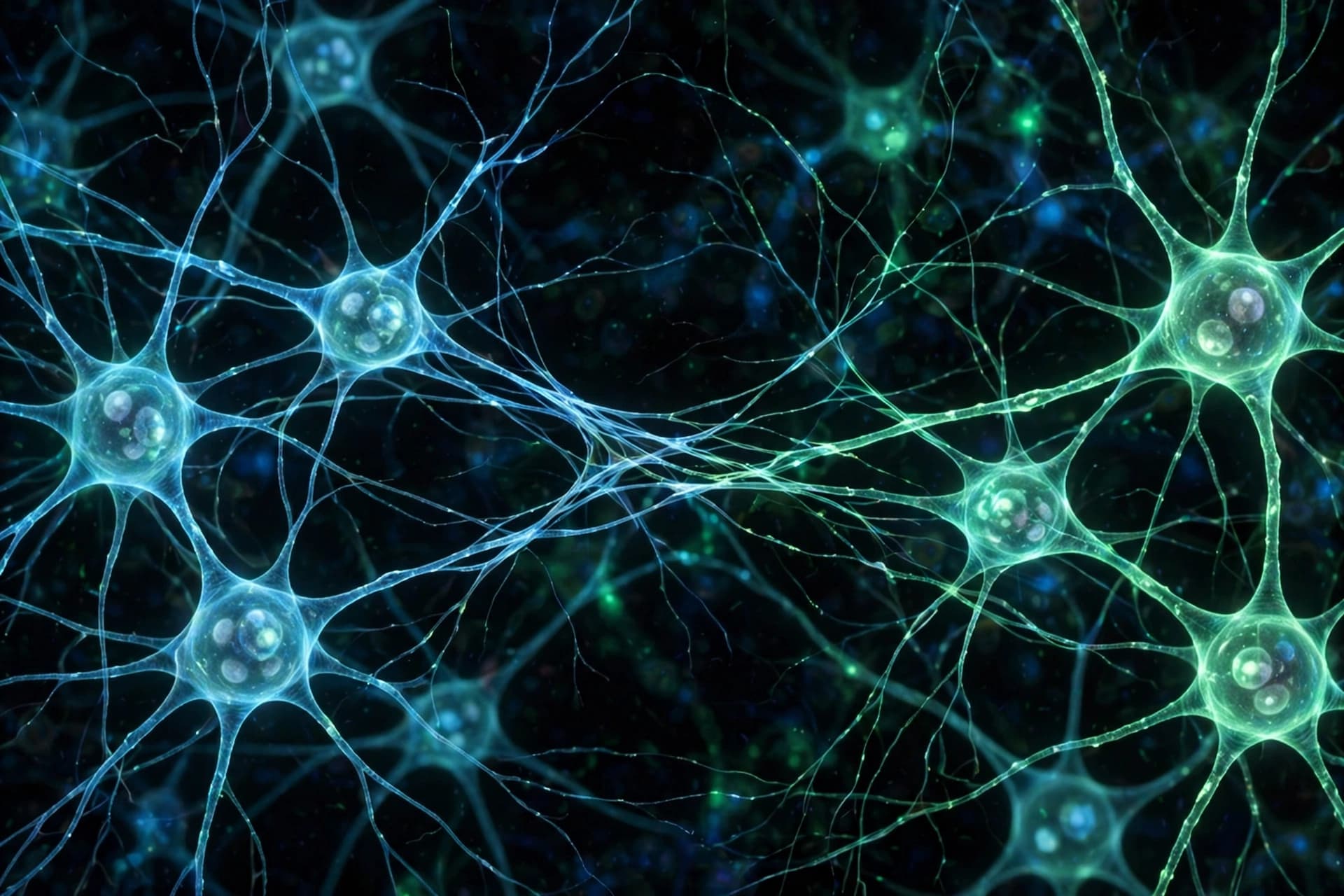
AI Image Disclaimer: The images in this article were generated using artificial intelligence and are intended solely for illustrative purposes.
Sources: ScienceAlert, EurekAlert!, Science News, The Transmitter, Lund University
Published by Banx Network. This article is part of the Banx decentralized media programme, powered by the BXE token on the XRP Ledger.