There are coastlines that carry more than geography. The northern coast of British Columbia is one of them—a stretch of water and rock where the argument over what may pass through has never been purely about commerce. On Wednesday, that argument reached a familiar conclusion in the House of Commons, and the ban that has shaped the debate for years remained in place.
MPs voted along party lines at second reading, with only the Conservatives supporting Bill C-264, which would have repealed the Oil Tanker Moratorium Act . The law prohibits tankers carrying more than 12,500 metric tonnes of crude oil from operating along the northern B.C. coast. The Liberals, joined by the NDP and Bloc Québécois, defeated the bill, ending—for now—a renewed push to open those waters to export traffic .
The Conservative case rested on a private-sector proposal. Calgary-based Strathcona Resources had pitched shipping up to 250,000 barrels of Canadian oil daily by rail through Prince Rupert, then overseas, without public subsidies . Conservative natural resources critic Carol Anstey argued the project would create jobs and diversify exports, and that the prime minister’s stated ambition of making Canada an “energy superpower” required proving seriousness about such opportunities .
Prime Minister Mark Carney made a rare in-person appearance for the vote, a detail that underscored the government’s investment in the outcome . Earlier this summer, Carney struck a deal with the B.C. government to keep the ban, and shortly afterward, the route for the proposed Pacific Link pipeline was revised to go south to Delta, respecting the moratorium . Alberta Premier Danielle Smith, who had envisioned a northern route, backed the Conservative bill and criticized the federal policy as standing in the way of getting Canadian energy to global markets .
The debate reflects a durable tension. For supporters of the ban, the northern coast is a place whose ecological and cultural value cannot be measured against export volumes. For critics, the law is an ideological constraint that blocks private investment and limits the country’s ability to reach Asian markets. Both positions were stated plainly, and neither yielded.
What remains is the status quo: a law that keeps a particular stretch of coastline closed to a particular kind of ship. The Strathcona proposal, however viable it may have been in commercial terms, now lacks the legal pathway it required. The Pacific Link pipeline will proceed on its southern route. And the argument over what the northern coast is for will wait for another bill, another government, another season.
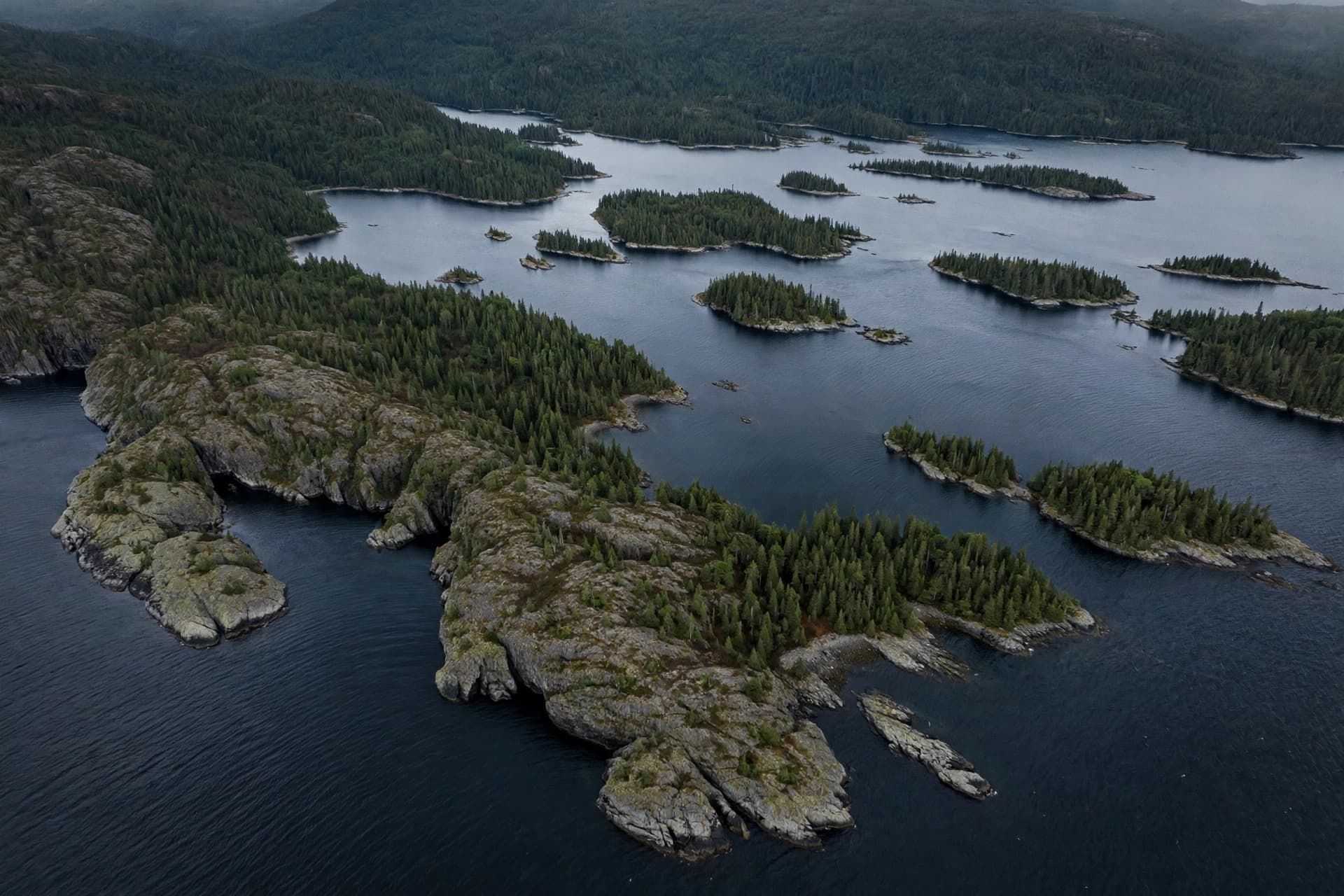
Image Disclaimer: The visual for this article was produced using artificial intelligence and does not depict the actual parliamentary vote or coastline described.
Sources: CBC News, The Canadian Press, Global News, St. Catharines Standard
Published by Banx Network. This article is part of the Banx decentralized media programme, powered by the BXE token on the XRP Ledger.