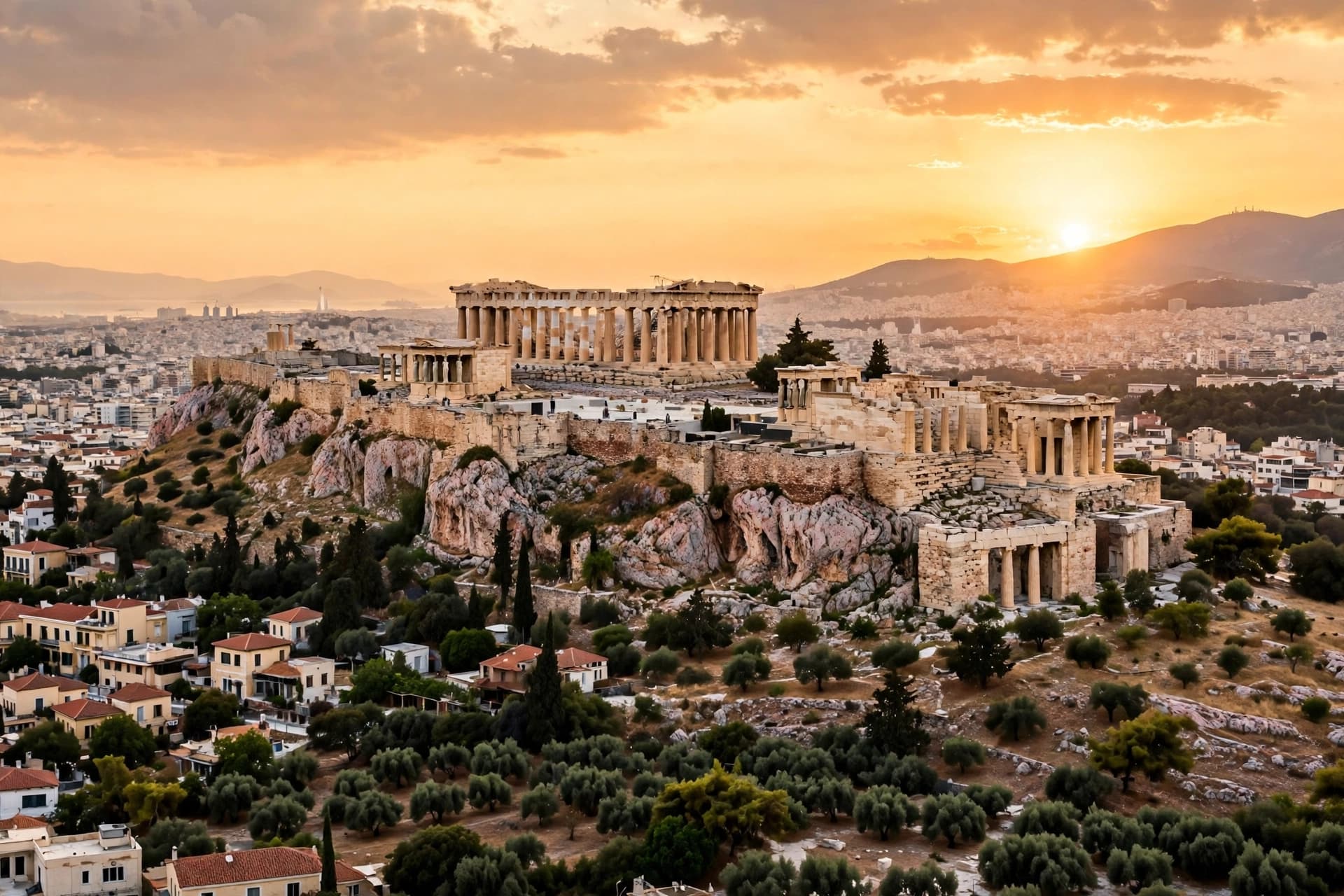
There is a particular weight to words spoken in the shadow of history—when the speaker stands before ruins that have outlasted empires, and asks his audience to consider whether their own civilization might not prove so durable. On Wednesday, with the Acropolis bathed in the golden light of a Mediterranean sunset behind him, Secretary of State Marco Rubio delivered a speech that was less a diplomatic address than a summons to a civilization he believes is sleepwalking toward its own end.
"The next decade will write the story of the next century," Rubio said from the Pnyx, the hillside where ancient Athenians once gathered to govern themselves. "The course we take will determine whether the West maintains its place at the head of the world, or resigns itself to a future of atrophy, servitude and decline" .
The diagnosis Rubio offered was not unfamiliar, but the venue gave it a different resonance. He argued that the West had grown ashamed of the very qualities that made it exceptional—that "nationalism became a dirty word," that monuments were torn down and history condemned, that borders were opened and industries outsourced and militaries allowed to wither . The result, he said, was a vacuum that adversaries were only too happy to fill .
His prescription was a return to what he called the "classical understanding of politics and statecraft"—a renewed embrace of national loyalty, sovereign decision-making, and the unapologetic pursuit of national power. He praised ancient Greek values of curiosity, courage, and ambition, and called on Europe to "awaken from its long slumber and rekindle the fire that was lit here millennia ago" .
The speech was notable for what it did not say. Rubio did not call for an established religion or address church-state policy. He did not explicitly endorse the far-right parties that have made similar arguments about civilizational decline. But the vocabulary he used—"servitude," "decline," "nationalism" as a reclaimed virtue—echoed themes that have become central to the Trump administration's foreign policy and to a broader debate about the West's place in a world of renewed great-power competition .
Critics have noted that Rubio's vision is not without its contradictions. He spoke of strengthening alliances while also describing them as instruments that must not abolish the sovereignty of their members. He invoked the shared inheritance of "Athens and Rome to Christendom" while leading a State Department that has distanced itself from multilateral institutions and climate agreements . And he called for European unity while his administration has openly backed leaders who attack European institutions from within .
For now, the speech stands as a statement of intent—a declaration that the United States, under this administration, has chosen "the unapologetic pursuit of national power" . Whether Europe will hear it as an invitation or a warning is a question that will be answered not in Athens, but in the capitals where the decisions are made.
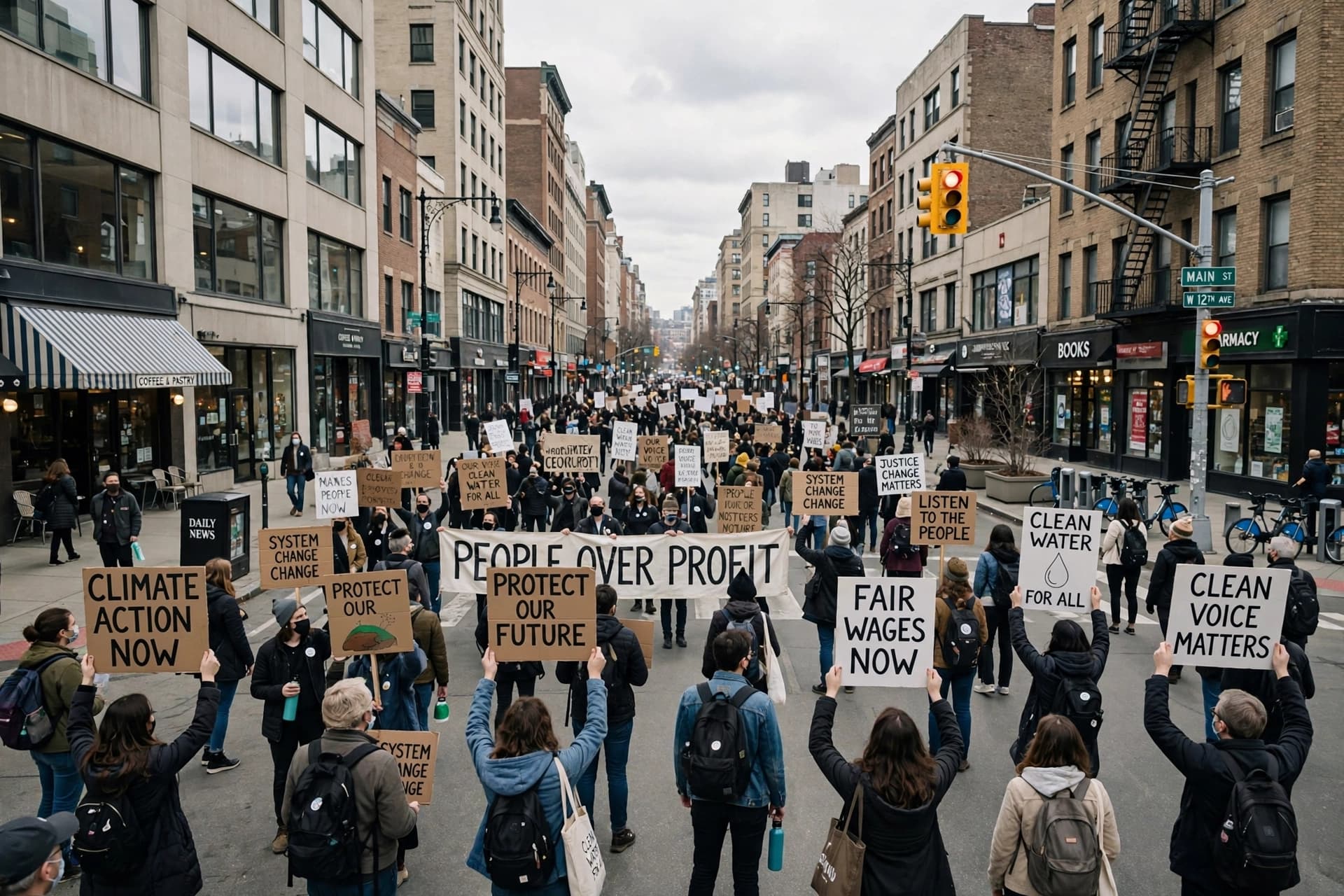
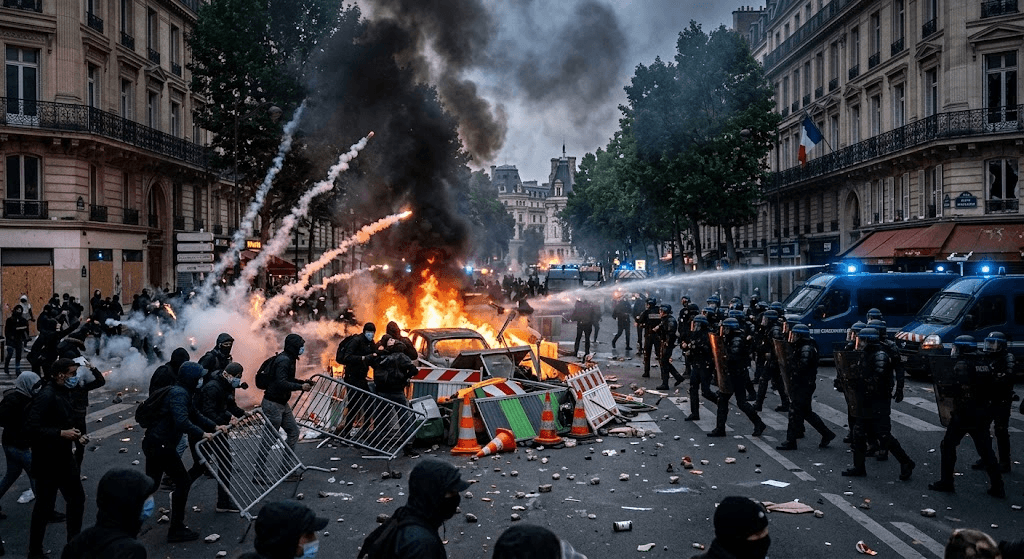
AI Image Disclaimer: The images accompanying this article are generated by artificial intelligence and are intended for illustrative purposes only.
Sources: The New York Times, BBC, TASS, The News International, Anadolu Ajansı, C-SPAN
Published by Banx Network. This article is part of the Banx decentralized media programme, powered by the BXE token on the XRP Ledger.