The rhythm of the seasons in Southeast Asia is traditionally dictated by the monsoon, a reliable bringer of rain and relief. But as El Niño strengthens its grip on the Pacific, that rhythm is being disrupted, replaced by a persistent heat and a drying wind that carries with it the threat of haze. For the nations of the region, this shift is not just a weather forecast but a warning of the environmental challenges that lie ahead in a warming world.
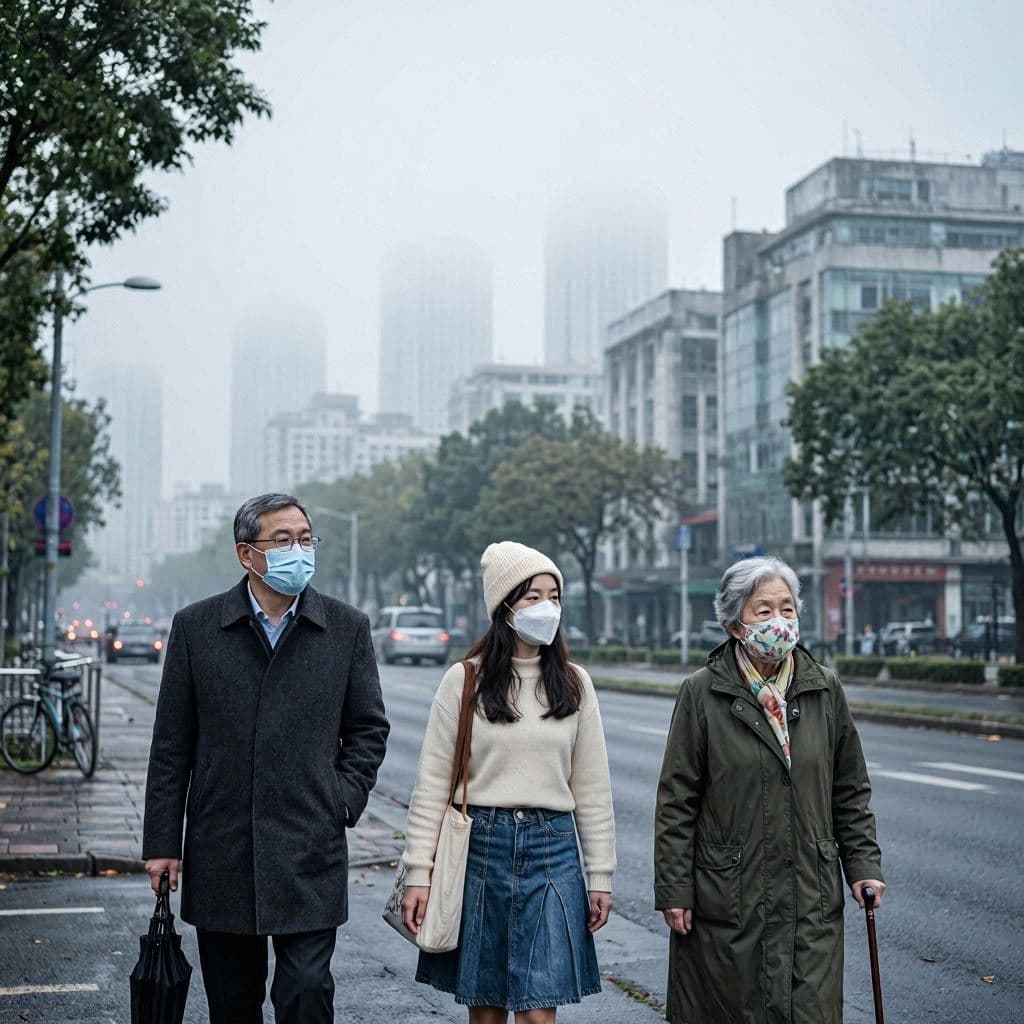
Meteorologists predict that the coming months will see above-average temperatures and below-normal rainfall across much of Southeast Asia. These conditions create a perfect storm for wildfires, particularly in areas with peatland and dense vegetation. The resulting smoke can travel thousands of kilometers, blanketing cities in a thick haze that affects air quality and public health. The memory of past haze crises lingers, reminding residents of the discomfort and danger they bring.
The impact of El Niño extends beyond the environment, affecting agriculture and water security. Farmers face the prospect of reduced yields due to drought, while urban centers struggle with increased demand for water and electricity. The economic implications are significant, with potential disruptions to supply chains and increased costs for households. Vulnerable communities are often the hardest hit, lacking the resources to adapt to these changing conditions.
Regional cooperation is essential in managing these risks. Countries like Indonesia, Malaysia, and Singapore have established mechanisms for sharing data and coordinating response efforts. However, the transboundary nature of haze requires a unified approach that goes beyond national borders. Diplomatic dialogue and joint action are crucial for mitigating the impact of fires and ensuring that emergency responses are effective and timely.
Public awareness campaigns are also playing a vital role in preparing communities for the upcoming season. Authorities are urging citizens to take precautions, such as staying indoors during high pollution periods and conserving water. These individual actions, when multiplied across millions of people, can make a significant difference in reducing the strain on resources and minimizing health risks.
As the region braces for these conditions, there is also a broader conversation about climate resilience. El Niño events are becoming more frequent and intense, highlighting the need for long-term adaptation strategies. Investments in sustainable agriculture, forest management, and renewable energy are seen as critical steps toward building a more resilient future. The current crisis serves as a catalyst for these necessary changes.
The strengthening of El Niño presents a significant challenge for Southeast Asia, testing the region’s ability to cope with extreme weather. By working together and prioritizing preparedness, nations can mitigate the impacts and protect their citizens. The experience serves as a reminder of the interconnectedness of our environment and the importance of collective action in the face of climate change.
AI Image Disclaimer: The images provided are AI-generated to visually represent the atmospheric and environmental conditions described in the report.
Sources: ASEAN Specialised Meteorological Centre The Straits Times Greenpeace Southeast Asia
Published by Banx Network. This article is part of the Banx decentralized media programme, powered by the BXE token on the XRP Ledger.