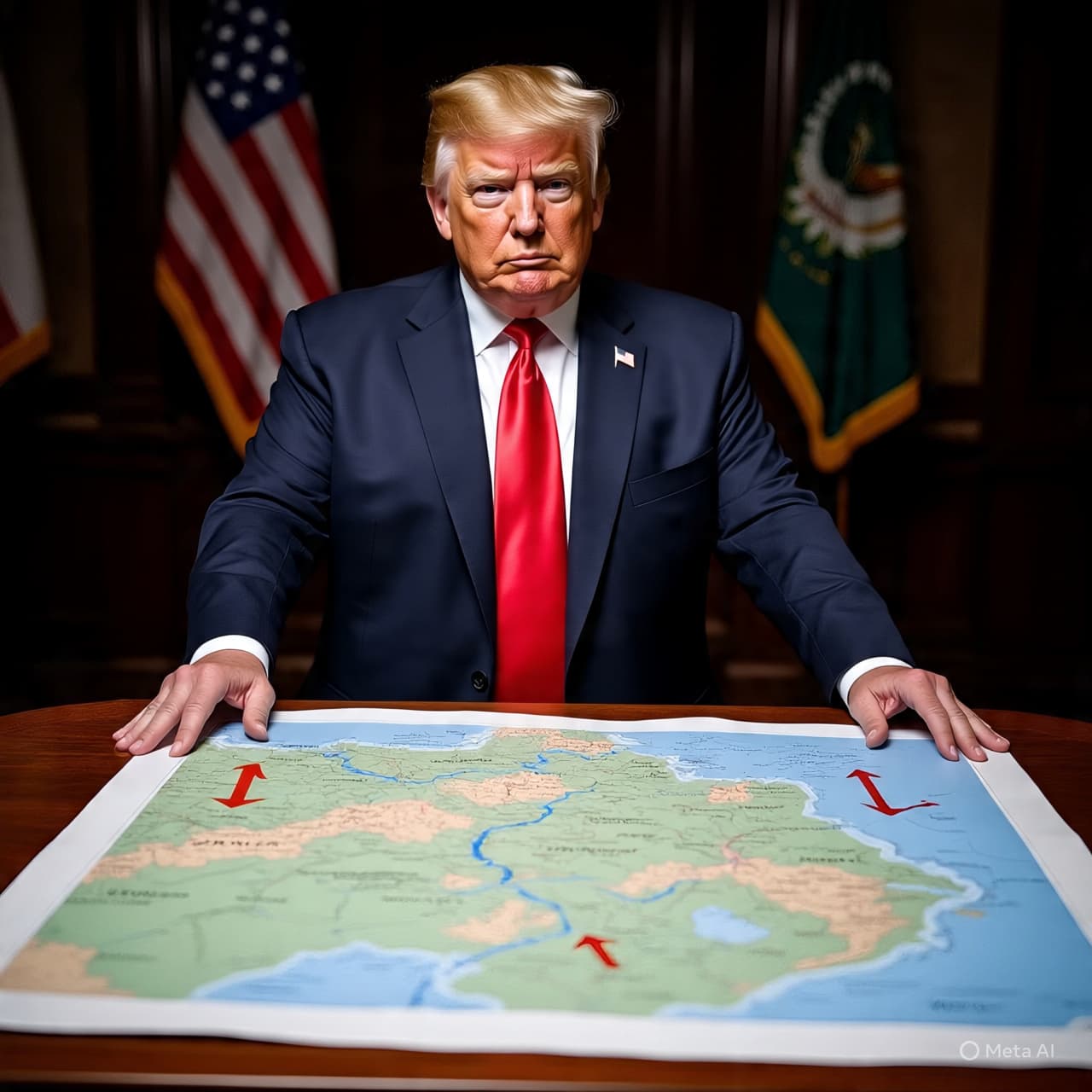
Trump’s recent announcement that he wants to reclaim Bagram Air Base signals more than nostalgia for America’s longest war. It’s a deliberate move to reestablish a strategic foothold in Asia—one aimed squarely at countering China’s growing influence. The former base, once a linchpin for U.S. operations in Afghanistan, has become a symbolic and tactical bone of contention in his vision of renewed U.S. global assertiveness.
In stature and utility, Bagram remains impressive: a large runway capable of handling heavy aircraft, a historically fortified position, with infrastructure that once anchored a vast American presence. Trump insists it was abandoned prematurely, that its proximity to alleged Chinese nuclear sites makes it invaluable. For him, regaining Bagram is not just about projecting power — it's about rewriting what was lost, restoring perceived strength, and delivering on national security promises.
Supporters see logic in the proposal. The United States, according to them, needs forward bases to monitor adversaries, respond quickly to threats, and deter aggression. China is increasingly seen as the defining competitor in this century, and decisions about posture—airbases, surveillance, alliances—are being scrutinized through that lens. Restoring control of Bagram, to them, is part of a broader strategic puzzle: reasserting influence in a region long fraught with instability, and signaling that the U.S. intends to reclaim aspects of its past military reach.
Yet there are sharp counterarguments. First, sovereignty matters. Afghanistan’s current government—Taliban led—has rejected military presence by the U.S., viewing it as infringement, a legacy of war, and a potential trigger for further conflict. Any attempt at reoccupation would likely require negotiation, mutual agreement, and enormous political cost. Second, logistics and costs: rebuilding or refurbishing a base after years of neglect, ensuring supply lines, securing it against attacks, and balancing with the complexities of U.S. domestic political oversight are major hurdles. The geopolitical optics are tricky; critics warn that invoking Chinese threat rhetoric could escalate tensions unnecessarily and alienate regional partners.
Moreover, Trump’s statements mix fact and rhetoric. The claim about China’s nuclear facilities near Bagram is provocative, but precise geolocation, verified intelligence, and transparent data are lacking. Strategists also question whether this base, at its current state, offers significant advantages over other quieter, less controversial methods of countering threats: surveillance drones, intelligence sharing, diplomatic pressure.
In policy terms, this gambit — asking for Bagram back — is both powerful and risky. It appeals to audiences concerned about U.S. weakness, loss of global influence, and perceived errors in withdrawal policy. It taps into strategic insecurities about China, which many see as the prime challenge moving forward. But it also opens Trump up to criticism: Are these hard realities or political theater? Can promises of strength translate into responsible, sustainable strategy?
One thing is certain: the debate over Bagram has moved from speculation to active discussion. Whether that conversation yields action, and whether that action can align with U.S. and Afghan interests, regional stability, and international law, is the test ahead.
Published by Banx Network. This article is part of the Banx decentralized media programme, powered by the BXE token on the XRP Ledger.