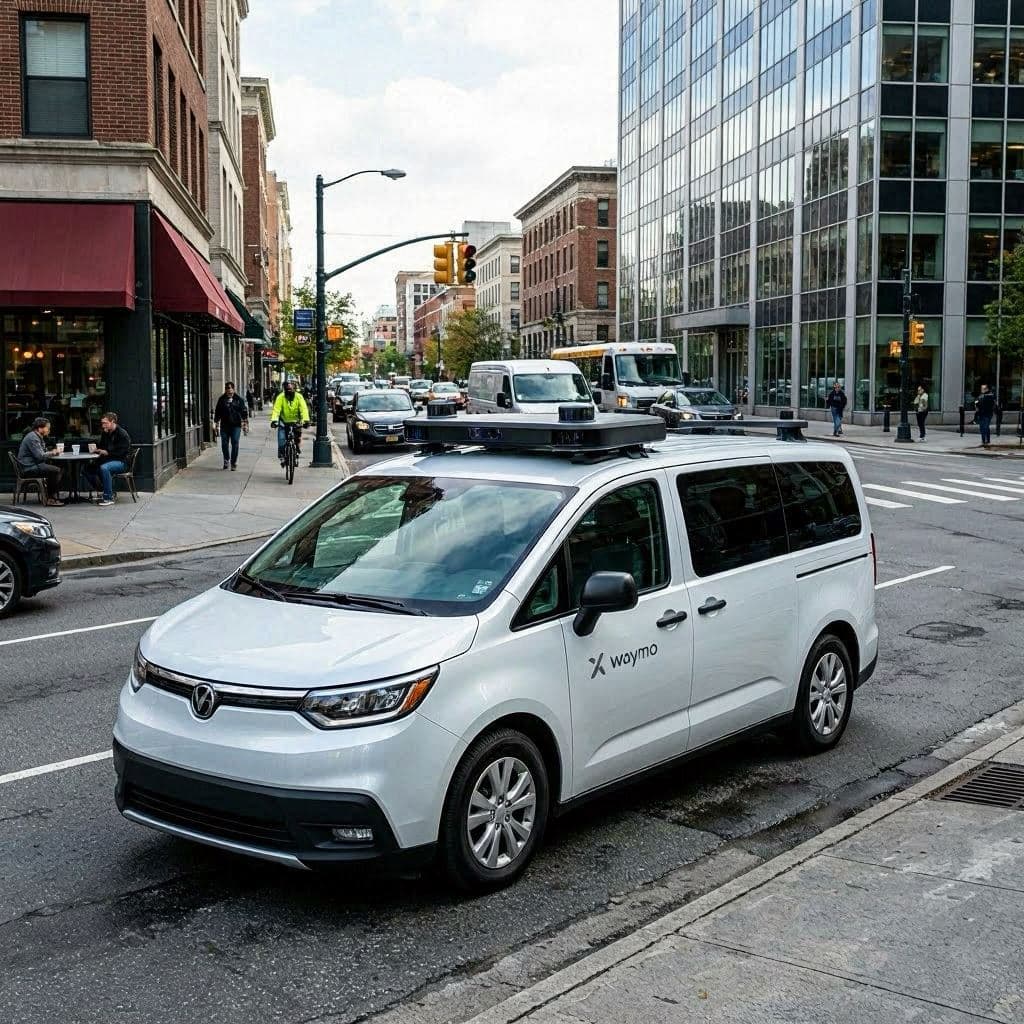
Opening: The dream of autonomous transportation is no longer confined to science fiction or limited pilot programs; it is steadily becoming a reality on American streets. Waymo, the self-driving technology company, has announced plans to expand its driverless ride-hailing service to four additional U.S. markets. This acceleration marks a significant milestone in the journey toward widespread adoption of autonomous vehicles. It invites reflection on how technology integrates into daily life, transforming the way we move and interact with our cities. The road ahead is clear, but the journey requires careful navigation of technical, regulatory, and social landscapes.
Body: The new markets, which include major metropolitan areas with diverse traffic conditions, represent a strategic step in Waymo’s growth strategy. By entering these cities, the company aims to test its technology in varied environments, from dense urban centers to sprawling suburbs. This expansion is not just about increasing rider numbers but about gathering data to improve safety and efficiency. Each new city offers unique challenges that help refine the algorithms powering the autonomous fleet.
For residents in these areas, the arrival of Waymo promises convenience and potentially lower transportation costs. Driverless rides eliminate the need for human drivers, allowing for 24/7 availability and consistent service quality. Early users in existing markets have reported positive experiences, citing the smoothness of the ride and the novelty of the technology. As the service expands, these benefits will become accessible to a broader audience, changing commuting habits.
However, the expansion also brings scrutiny and debate. Safety remains the paramount concern for regulators and the public. While Waymo has demonstrated a strong safety record, incidents involving autonomous vehicles elsewhere have heightened awareness of potential risks. The company emphasizes its rigorous testing protocols and continuous monitoring systems to ensure passenger safety. Transparency in reporting and addressing issues is crucial for building public trust.
Local governments play a key role in facilitating this transition. Permitting processes, infrastructure upgrades, and public education campaigns are essential for successful integration. Cities must balance innovation with public safety, ensuring that autonomous vehicles coexist harmoniously with pedestrians, cyclists, and traditional cars. Collaboration between tech companies and municipal authorities is vital for creating a supportive ecosystem.
The economic implications are also significant. The rise of autonomous ride-hailing could disrupt traditional taxi and rideshare industries, affecting employment for human drivers. While new jobs in technology and maintenance may emerge, the transition requires careful management to support displaced workers. Policymakers are exploring ways to mitigate negative impacts while fostering innovation.
Public perception of autonomous technology is evolving. Initial skepticism is gradually giving way to curiosity and acceptance as people experience the service firsthand. Education and demonstration projects help demystify the technology, showing its reliability and benefits. As more people engage with driverless rides, the cultural shift toward autonomous transportation gains momentum.
Looking forward, Waymo’s expansion signals a tipping point for the industry. Other competitors are watching closely, preparing their own rollout strategies. The race to dominate the autonomous market is intensifying, driving rapid innovation and investment. The outcome will shape the future of urban mobility, influencing everything from city planning to environmental sustainability.
Closing: Waymo is expanding its driverless ride-hailing service to four new U.S. markets, accelerating the adoption of autonomous transportation. This move highlights technological progress and the growing integration of self-driving cars into urban life. Safety, regulation, and public acceptance remain key factors in this ongoing transformation.
AI Image Disclaimer: The images associated with this article are AI-generated interpretations designed to visualize the context of autonomous vehicle technology and urban expansion.
Sources: The Verge Reuters TechCrunch Waymo Official Blog
Published by Banx Network. This article is part of the Banx decentralized media programme, powered by the BXE token on the XRP Ledger.