Imagine a waterfall so vast it defies comprehension, a cascade of ocean water plunging into a dry basin with the force of a thousand Amazons. This is not a scene from science fiction, but a reconstruction of one of Earth’s most dramatic geological events: the Zanclean flood. Roughly 5.33 million years ago, the Atlantic Ocean breached the Strait of Gibraltar, refilling the desiccated Mediterranean Sea in a cataclysmic rush. Recent models have quantified this ancient deluge, revealing a peak flow of approximately 100 million cubic meters per second, a statistic that reshapes our understanding of planetary power and the speed at which landscapes can change.
The Mediterranean had previously been cut off from the world’s oceans, turning into a salty, evaporating desert during the Messinian salinity crisis. When the barrier at Gibraltar finally gave way, the resulting flood was not a gentle trickle but a violent torrent. Scientists estimate that water rushed down a drop of more than 1,000 meters, carving a deep channel through the seabed. The energy released was immense, equivalent to thousands of nuclear explosions every second, reshaping the geography of the region in a matter of months or perhaps just a few years.
The erosion rates calculated by researchers are equally staggering. At the Camarinal Sill, a shallow ridge within the strait, the water eroded the rock at a rate of roughly 0.4 meters per day. This rapid excavation suggests that the flood was not only powerful but also highly focused, acting like a giant jet cutter on the Earth’s crust. Such speeds are unprecedented in modern geological processes, highlighting the unique conditions that allowed for this megaflood to occur.
Comparisons to the Amazon River, the largest by discharge today, help contextualize the scale. The Zanclean flood’s peak flow was approximately 1,000 times greater than the Amazon’s average. This means that in a single second, more water passed through Gibraltar than the Amazon moves in nearly 17 minutes. It is a reminder that the Earth’s history is punctuated by events of such magnitude that they dwarf anything we experience in the present day.
The implications for climate and biology were profound. The sudden influx of fresh Atlantic water would have drastically altered the salinity and temperature of the Mediterranean, creating new habitats and disrupting others. Marine life from the Atlantic colonized the basin rapidly, leading to a burst of biodiversity. For early hominids and other terrestrial animals, the changing landscape may have influenced migration patterns and survival strategies.
Modern modeling techniques, using fluid dynamics and geological data, have allowed scientists to simulate this event with increasing accuracy. These models help verify the physical evidence found in sediment cores and seismic profiles. They provide a window into the past, showing how quickly the planet can respond to tectonic shifts and sea-level changes. It is a testament to the power of computational science in unraveling Earth’s secrets.
While such an event is unlikely to recur in the near future, studying the Zanclean flood offers valuable insights into extreme weather and geological hazards. It reminds us that the boundaries between land and sea are not fixed, but dynamic and subject to the relentless forces of nature. Understanding these past catastrophes helps us better prepare for future environmental changes.
The Zanclean flood remains one of the most spectacular events in Earth’s history, a testament to the planet’s capacity for sudden and dramatic transformation. As science continues to refine our understanding of this ancient deluge, we gain a deeper appreciation for the powerful forces that shape our world.
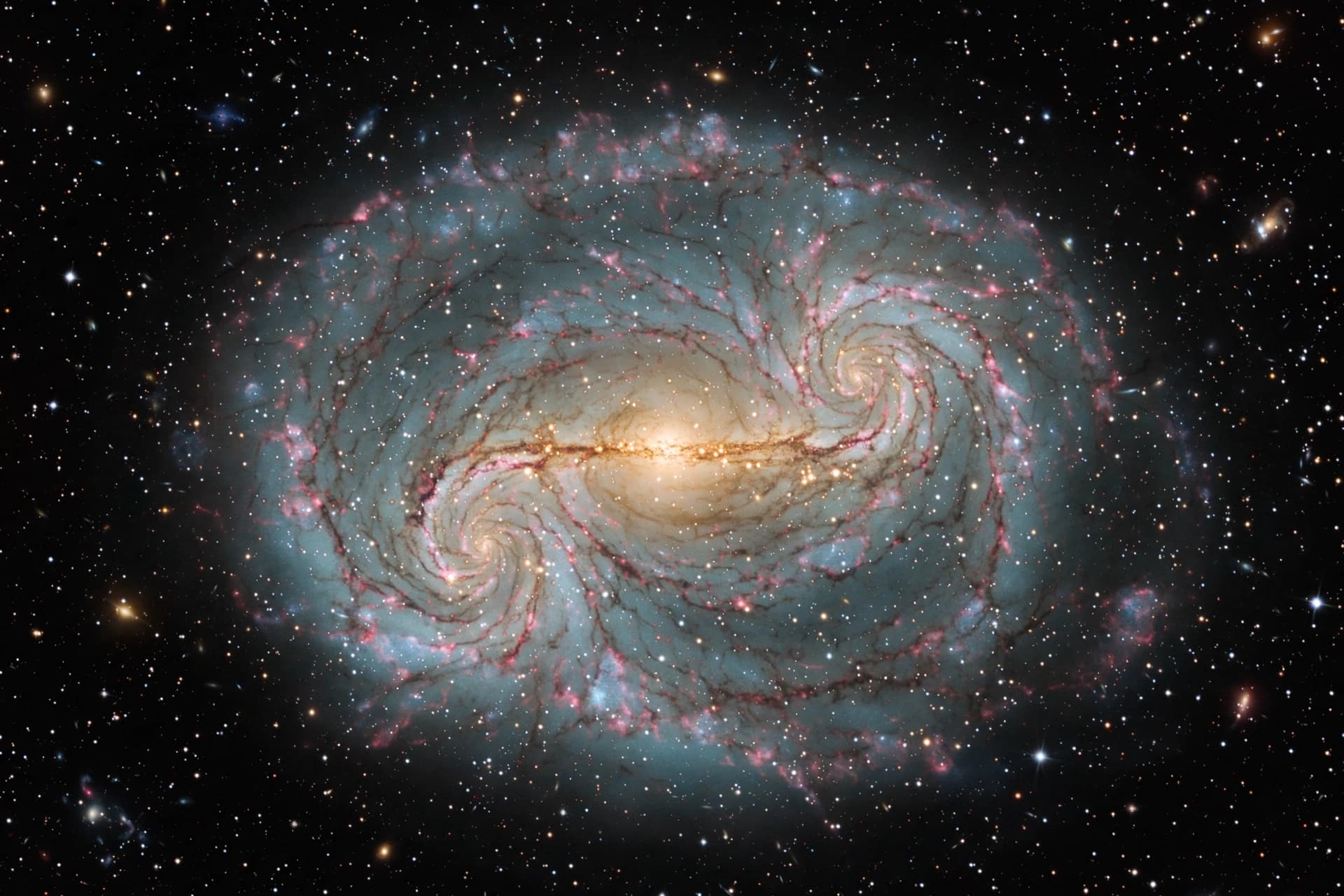
AI Image Disclaimer: Please note that any accompanying visuals for this report are AI-generated representations intended to illustrate the context of the event.
Sources: Nature The Conversation Space Daily ResearchGate
Published by Banx Network. This article is part of the Banx decentralized media programme, powered by the BXE token on the XRP Ledger.