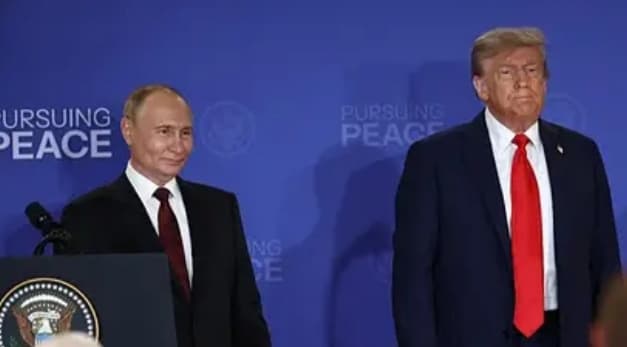
In the context of ongoing geopolitical negotiations, concerns are mounting in Washington regarding the potential for President Vladimir Putin to exploit diplomatic discussions to his advantage. Analysts caution that while the U.S. engages in talks aimed at resolving conflicts, particularly concerning Ukraine and Eastern Europe, Putin may use these negotiations to solidify gains that are detrimental to U.S. interests.
The Russian leader has a history of strategic maneuvering, leveraging negotiations to create a façade of cooperation while advancing his geopolitical agenda. Experts suggest that Washington's eagerness to find diplomatic solutions could unwittingly embolden Moscow, allowing it to maintain or even expand its influence in contested regions.
Recent diplomatic efforts, including peace talks and reaffirmations of mutual interests, could serve as a cover for Russia's continued military operations. Analysts argue that, without a clear and firm stance, the U.S. risks being outmaneuvered, offering concessions rather than achieving meaningful progress toward stability.
Additionally, internal divisions within the U.S. political landscape complicate the situation. With varying perspectives on how to approach negotiations with Russia, there is a palpable risk that Washington may project disunity, allowing Putin to exploit these fractures for his benefit.
In this high-stakes environment, experts urge U.S. policymakers to adopt a cautious approach, ensuring that any negotiations do not lead to unintended setbacks or concessions that compromise long-term security and stability. The focus must remain on strengthening alliances and maintaining a firm defensive posture to deter further advancements by Russia under the guise of diplomacy.
Published by Banx Network. This article is part of the Banx decentralized media programme, powered by the BXE token on the XRP Ledger.