In the quiet suburbs of Warren, Michigan, a community once defined by its Lutheran churches and blue-collar stability is undergoing a profound transformation. Residents express growing concern that their town is becoming the "next Dearborn," a reference to the nearby city known for its large Muslim population. The shift, marked by the conversion of historic churches into mosques and changing demographic patterns, has sparked a mix of anxiety and frustration among longtime residents. It is a story of cultural change, identity, and the challenges of integration in modern America.
For decades, Warren was a stronghold of traditional Midwestern values, with communities centered around local parishes and family-owned businesses. However, in recent years, the arrival of new immigrant groups, particularly from Lebanon, Iraq, and Syria, has altered the social fabric. Former church buildings, once symbols of Christian heritage, now serve as Islamic centers. For some residents, this visual change is a potent symbol of a shifting identity, leading to feelings of displacement and loss.
The tensions are not just symbolic but practical. Residents cite increased traffic, parking disputes, and noise during religious observances as daily irritants. They feel that local government has been slow to address these issues, leaving them to navigate the changes on their own. The sense of being unheard has fueled a narrative of neglect, with many feeling that their concerns are dismissed as intolerance rather than legitimate civic grievances. This perception deepens the divide between old and new communities.
Dearborn, located just west of Warren, has long been a hub for Arab-American culture, particularly for Chaldean Christians and Muslims. Its transformation over the last few decades serves as a preview for what some Warren residents fear. The comparison is not just about religion but about the pace and scale of change. For those who have lived in Warren for generations, the rapid demographic shift feels overwhelming and unmanaged.
However, it is important to note that many newcomers are also working-class families seeking opportunity and safety. They bring their own traditions, work ethic, and community values. The challenge lies in bridging the gap between these groups, fostering mutual understanding and respect. Dialogue is often limited by language barriers and cultural differences, leading to misunderstandings that can escalate into conflict. Building bridges requires effort from both sides.
Local leaders face the difficult task of balancing inclusivity with the needs of existing residents. Policies that promote integration, such as community events and multilingual services, are essential but often underfunded. Without proactive engagement, tensions can simmer and erupt. The situation in Warren reflects a broader national debate about immigration, assimilation, and the meaning of American identity in a diverse society.
For the rest of the country, Warren’s experience offers lessons. Communities across America are grappling with similar changes, driven by global migration patterns and economic shifts. How these towns manage transition will shape the social landscape for years to come. Success depends on leadership that listens, adapts, and fosters a sense of shared belonging. It is a test of democratic resilience.
In the end, the sentiment that Warren is becoming the "next Dearborn" is a cry for recognition and control. Residents want to feel that their voices matter and that their community’s character is respected. By addressing practical concerns and promoting dialogue, leaders can help ease the transition. The goal is not to stop change but to manage it in a way that honors both history and diversity.
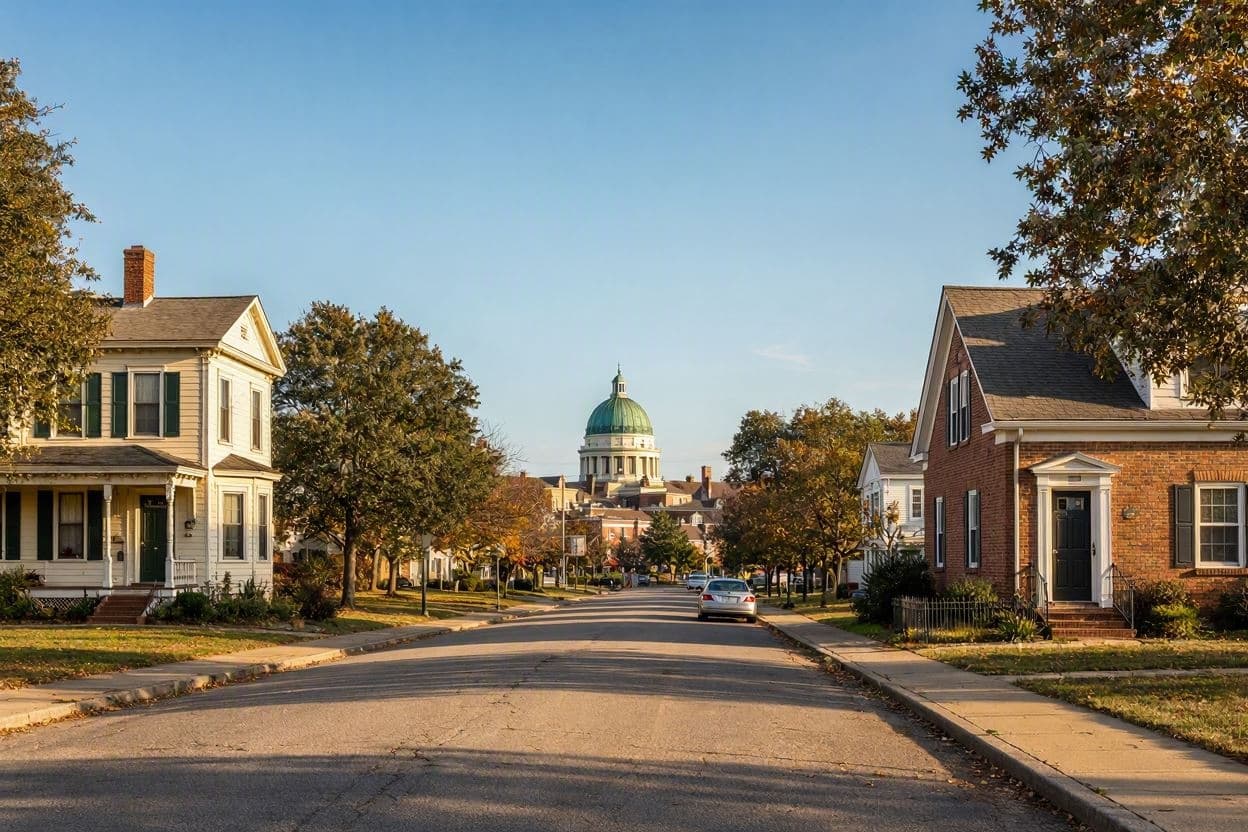
AI Image Disclaimer: The images accompanying this article are AI-generated artistic interpretations of suburban neighborhoods and community themes, not actual photographs of specific churches, mosques, or residents in Warren, Michigan.
Sources: Fox News Digital Wave Browser News Jarayid
Published by Banx Network. This article is part of the Banx decentralized media programme, powered by the BXE token on the XRP Ledger.