In the digital age, e-commerce platforms serve as the invisible arteries of modern economies, connecting buyers and sellers across vast distances. For Wildberries, Russia’s largest online marketplace, these arteries have recently been severed by physical force. A series of drone strikes has targeted its logistics hubs, causing significant damage and disrupting operations for millions of users. Tatyana Kim, the company’s founder and CEO, has addressed the crisis, labeling the attacks as "terrorist acts" and outlining a complex path forward for affected sellers.
Over the past two weeks, Ukrainian drones have struck at least seven Wildberries distribution centers, including facilities in St. Petersburg and Crimea. The attacks have resulted in fires, structural damage, and the loss of vast quantities of inventory. For the thousands of small businesses and entrepreneurs who rely on Wildberries to reach customers, the disruption is catastrophic. Goods worth millions of rubles have been destroyed, and orders remain unfulfilled, leading to financial strain and uncertainty.
In a recent address to sellers, Kim acknowledged the severity of the situation but stopped short of promising full compensation from the company. Instead, she directed sellers to seek assistance from the Russian government, suggesting that state-led programs would provide the necessary support. This stance has drawn criticism from some merchants, who feel abandoned by the platform they depend on. They argue that Wildberries, as the operator of the warehouses, bears responsibility for the security and safety of their goods.
Kim framed the strikes as part of a broader campaign of terrorism against civilian infrastructure, emphasizing the impact on ordinary citizens and businesses. By using this language, she aligns the company’s narrative with the official state perspective, seeking to garner public sympathy and political support. The characterization of the attacks as terrorist acts also serves to deflect blame from any potential security lapses within the company’s own operations.
The logistical challenges are immense. Rebuilding damaged warehouses takes time, and rerouting shipments creates bottlenecks elsewhere in the network. Sellers face delays, canceled orders, and negative reviews, which can damage their reputations permanently. Some are considering moving to alternative platforms, but the dominance of Wildberries in the Russian market leaves them with few viable options. The monopoly-like position of the company amplifies the impact of any disruption.
Economically, the strikes highlight the vulnerability of centralized logistics systems in times of conflict. The concentration of inventory in large hubs makes them attractive targets, but also creates single points of failure. Experts suggest that decentralization and redundancy could mitigate such risks in the future, though these changes require significant investment and planning. For now, the system remains fragile, exposed to the realities of geopolitical tension.
Public reaction has been mixed. While some sympathize with the company and its sellers, others question the role of large corporations in supporting the war effort. The debate extends beyond business, touching on ethics, patriotism, and the cost of conflict. Social media platforms are filled with discussions about accountability and justice, reflecting the deep divisions within society.
As Wildberries works to restore operations, the focus remains on minimizing further losses and maintaining trust with its user base. The outcome of this crisis will likely influence how e-commerce giants approach security and risk management in unstable regions. It serves as a case study in the intersection of technology, commerce, and conflict.
Tatyana Kim’s response to the drone strikes underscores the complex challenges facing businesses in times of war. As Wildberries navigates the aftermath, the resilience of its sellers and the stability of its infrastructure will be tested, revealing the true cost of digital dependence in a physical world.
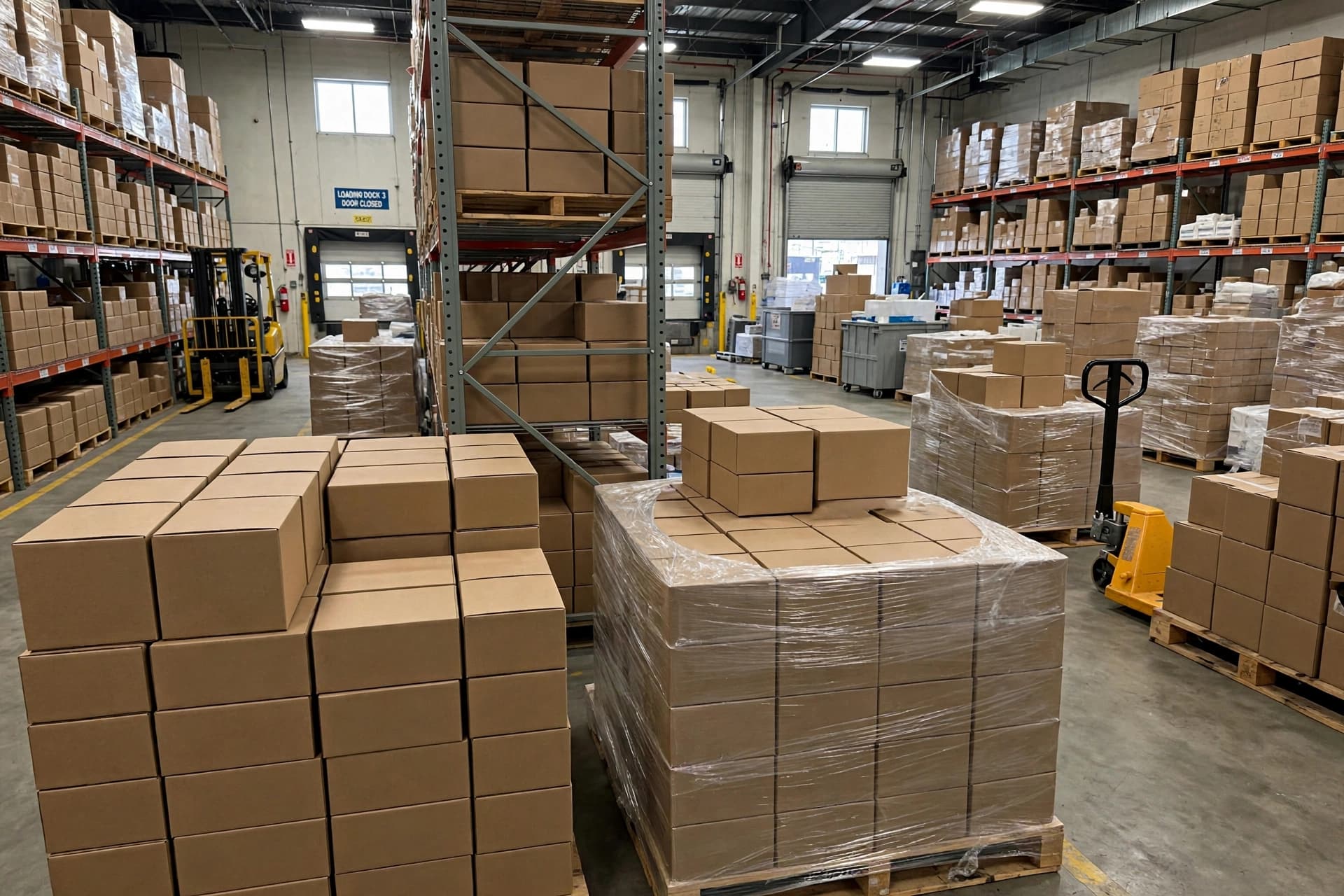
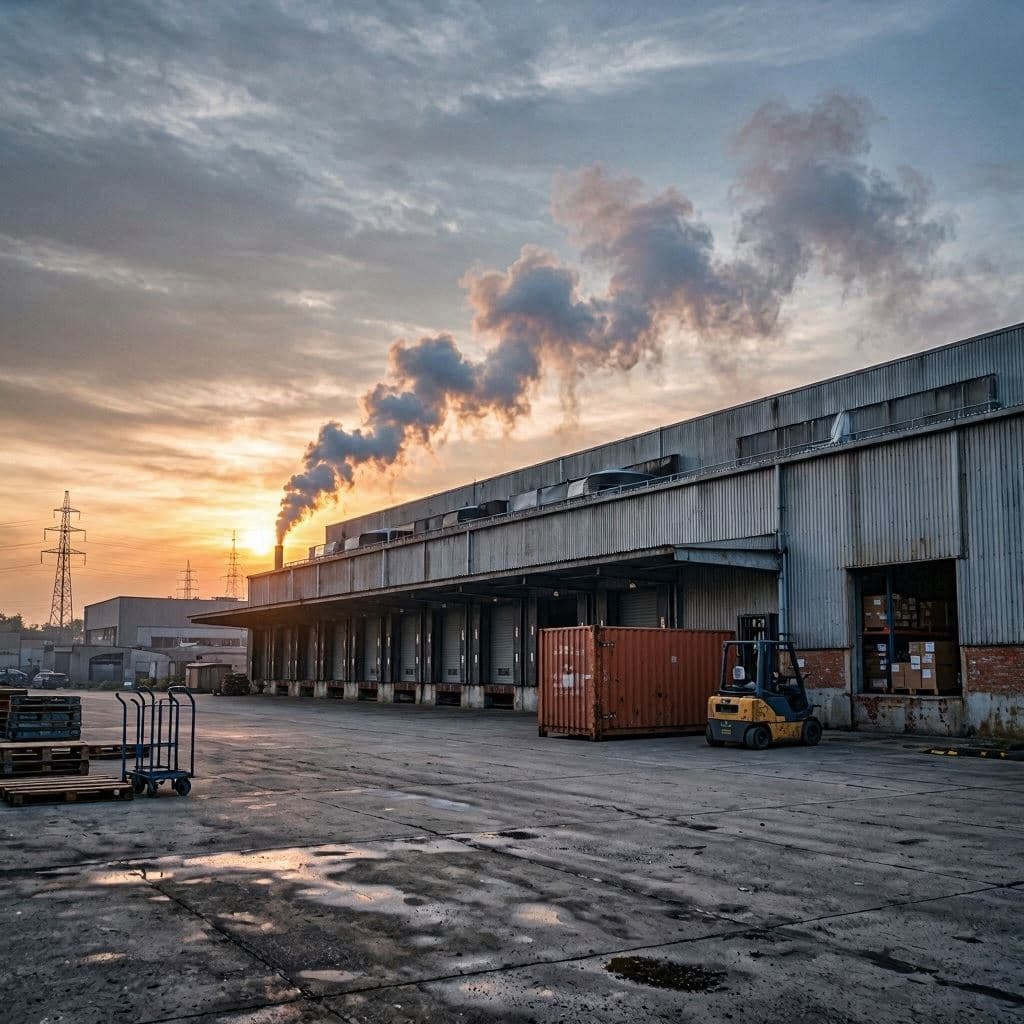
AI Image Disclaimer: The images associated with this article are AI-generated illustrations designed to represent the themes of e-commerce logistics and conflict-related disruption.
Sources: Meduza, Forbes, Business Insider, Kyiv Independent
Published by Banx Network. This article is part of the Banx decentralized media programme, powered by the BXE token on the XRP Ledger.