As the earth rotates beneath the cosmos, the Moon continues its eternal dance around our planet, changing its face with predictable grace. On September 12, skywatchers and casual observers alike will witness a specific chapter in this lunar cycle. Understanding the Moon’s appearance on this date offers a moment of connection with the natural rhythms that have guided humanity for millennia, from ancient calendars to modern tides.
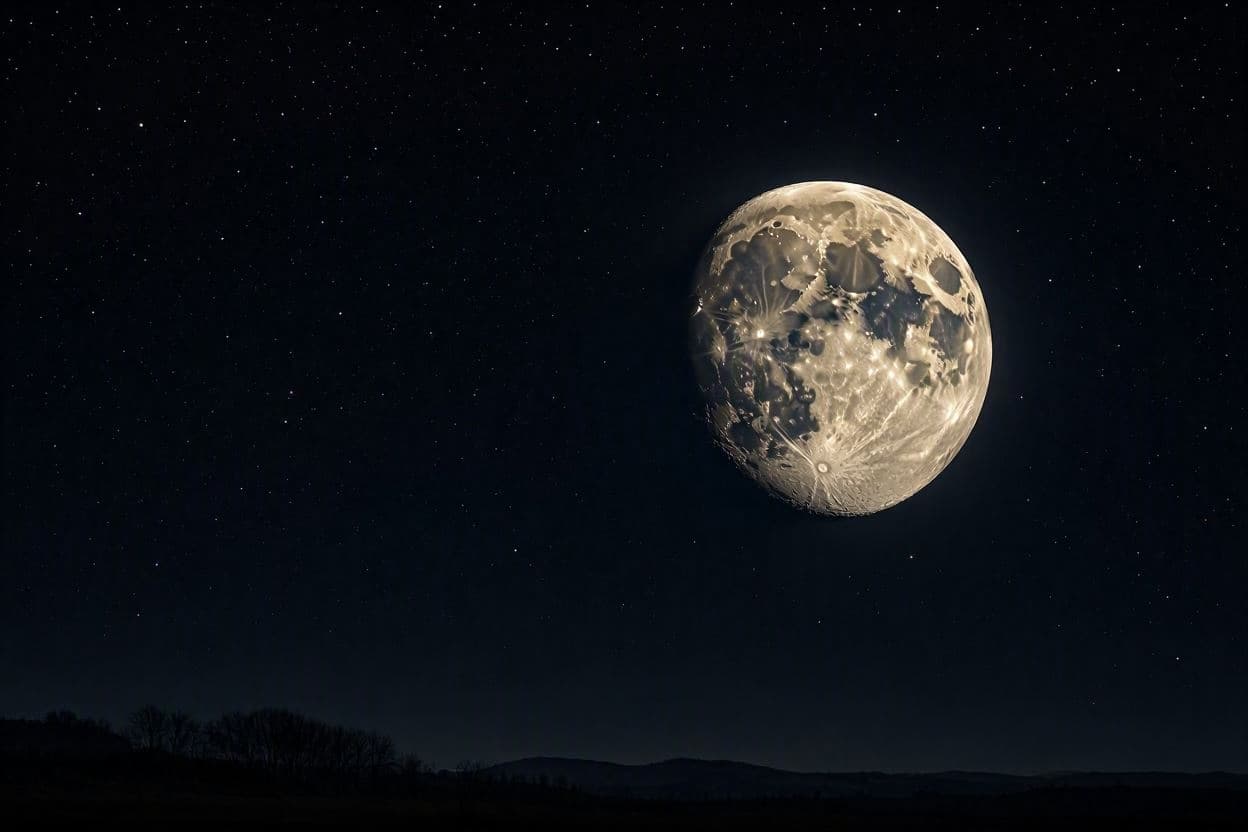
On this day, the Moon will be in a waning gibbous phase, having recently passed the fullness of the Full Moon. This means that while it will still appear bright and substantial in the night sky, a small portion of its illuminated side will begin to recede into shadow. The waning gibbous is a time of gradual diminishment, a visual metaphor for the slowing down that follows peak intensity. It rises later in the evening, offering a serene presence in the pre-dawn hours.
For those who wish to observe the Moon on September 12, the best viewing times will likely be in the late night and early morning hours. As the Moon climbs higher in the sky, its craters and maria—the dark, flat plains formed by ancient volcanic eruptions—become visible even to the naked eye. With a pair of binoculars or a small telescope, the details along the terminator, the line dividing light and dark, become particularly striking.
The cultural significance of the Moon varies across societies, but its physical presence is universal. In many traditions, the waning moon is associated with release, reflection, and letting go. It is a time to review the month’s events and prepare for the new cycle that will begin with the next New Moon. Observing the Moon on this date can be a meditative practice, grounding us in the present moment.
Weather conditions will play a crucial role in visibility. Clear skies are essential for a crisp view, while cloud cover may obscure the details, leaving only a diffuse glow. Regardless of the weather, the Moon’s gravitational pull continues to affect the Earth’s oceans, driving tides that shape coastal ecosystems. Its influence is felt even when it is hidden from view, a constant force in our planetary system.
Astrophotographers may find this phase challenging yet rewarding. The reduced brightness compared to a Full Moon allows for better contrast in capturing surface features without overexposing the image. The soft light of the waning gibbous creates gentle shadows that highlight the topography of the lunar landscape, offering a different aesthetic than the harsh glare of full illumination.
As September 12 passes, the Moon will continue its journey toward the Third Quarter and eventually the New Moon. Each phase is a reminder of the cyclical nature of time and the stability of celestial mechanics. Taking a moment to look up on this day connects us to a shared human experience, one of wonder and appreciation for the beauty that hangs above us every night.
AI Image Disclaimer: The images used in this article are AI-generated visuals created to illustrate the lunar phases and night sky aesthetics.
Sources: Timeanddate.com, NASA, Farmer’s Almanac
Published by Banx Network. This article is part of the Banx decentralized media programme, powered by the BXE token on the XRP Ledger.