In the quiet promise of early morning, when light lays a gentle path across a room and the world seems poised between rest and motion, there is a soft reminder that healing itself can be a movement — steady, modest, and full of intention. This is a thought that echoes in Lugo today, where a new guide crafted for oncology patients finds its voice not in grand declarations, but in gentle encouragement to move, to breathe, and to reconnect with one’s body in simple ways that still carry the weight of meaning.
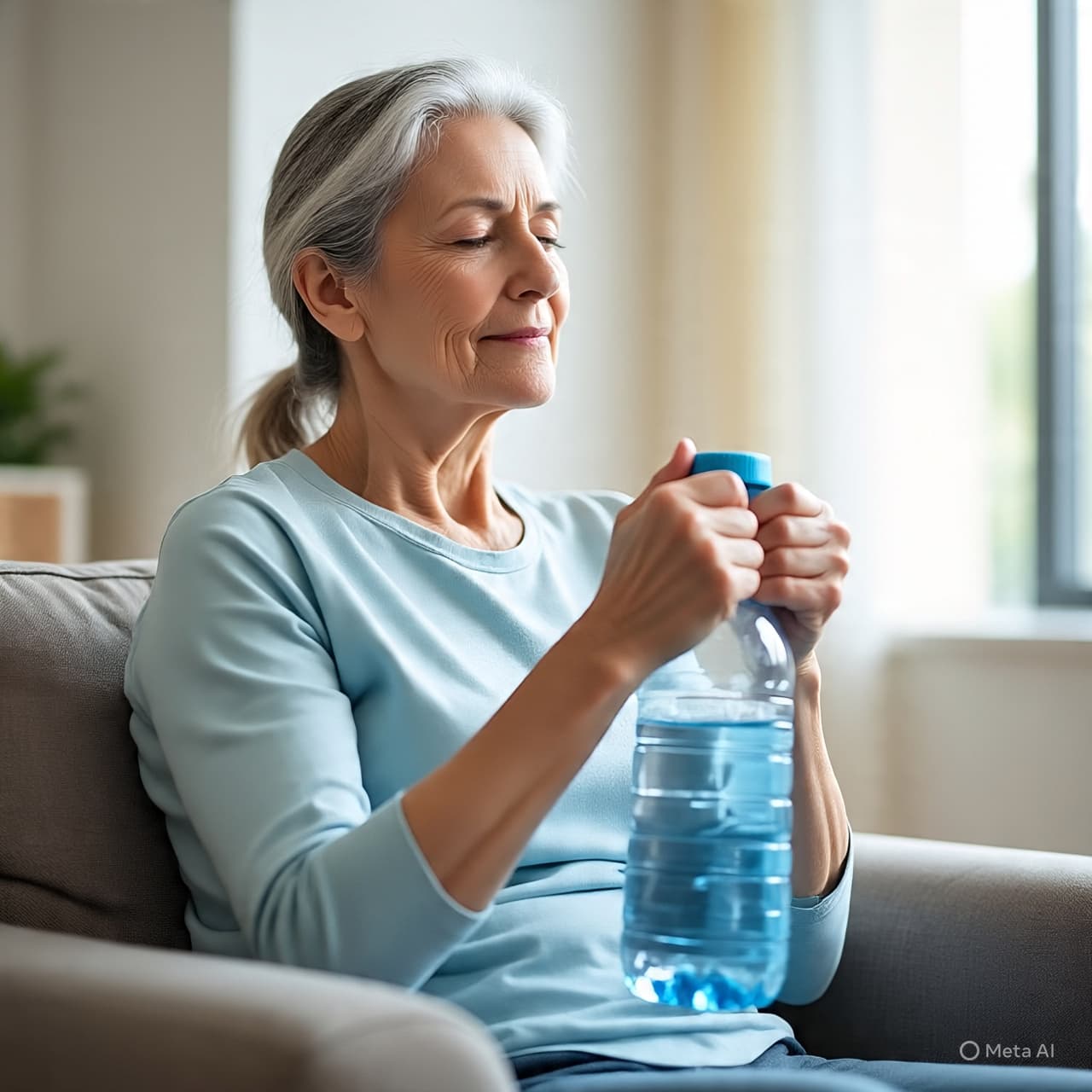
The heart of this effort lies in a guide developed for patients undergoing cancer treatment, an approach shaped by local health advocates at Somos Unidos por el Cáncer and overseen by clinical specialists. In presenting this guide at the Hospital Universitario Lucus Augusti (HULA), the creators spoke of exercises that may seem humble — small routines that may involve everyday objects like bottles of water — but whose impact is rooted in both evidence and kindness. These movements are not grand feats of athleticism; instead, they are accessible gestures meant to honor the body’s capacity to find strength at its own pace.
This guide arrives at a moment when the role of physical activity in oncology is steadily gaining recognition. Across clinical and supportive care communities, there is growing evidence that regular movement — from light walking to gentle strength work — can ease treatment-related fatigue, preserve muscle function, and enhance overall quality of life for people walking the unpredictable path of cancer care. Organizations like the American Cancer Society emphasize that exercise can be both safe and beneficial when tailored to an individual’s condition and done with appropriate medical guidance. Physical activity is increasingly being woven into conversations about survivorship and wellness, not just recovery.
The essence of the Lugo guide is its simplicity — acknowledging that for many patients, movement begins with a walk down a hallway, a series of easy steps in a living room, or the lifting of a modest weight like a bottle of water. It respects lived experience, recognizing that healing occurs in both body and spirit. It invites patients into a practice where effort meets compassion, where each motion can be an act of self-care rather than a test of endurance.
In practical terms, the guide aligns with broader clinical thinking that encourages the inclusion of physical activity into cancer care plans whenever possible, always with safety and personal limits in mind. As the authors and collaborators prepare this resource for wider distribution, the hope is that it will reach patients and caregivers as a thoughtful companion — an invitation to engage with movement in ways that feel supportive and life-affirming.
Today’s news from Lugo gently underscores that, in the journey of cancer treatment and recovery, small steps — whether literal or metaphorical — are indeed worth celebrating.
AI Image Disclaimer Illustrations were produced with AI and serve as conceptual depictions.
Sources used:
La Voz de Galicia La Voz de la Salud (exercise & cancer reporting) SEOM (Spanish Oncology Society exercise recommendations) American Cancer Society activity guidelines Macmillan Cancer Support physical activity info
Published by Banx Network. This article is part of the Banx decentralized media programme, powered by the BXE token on the XRP Ledger.